

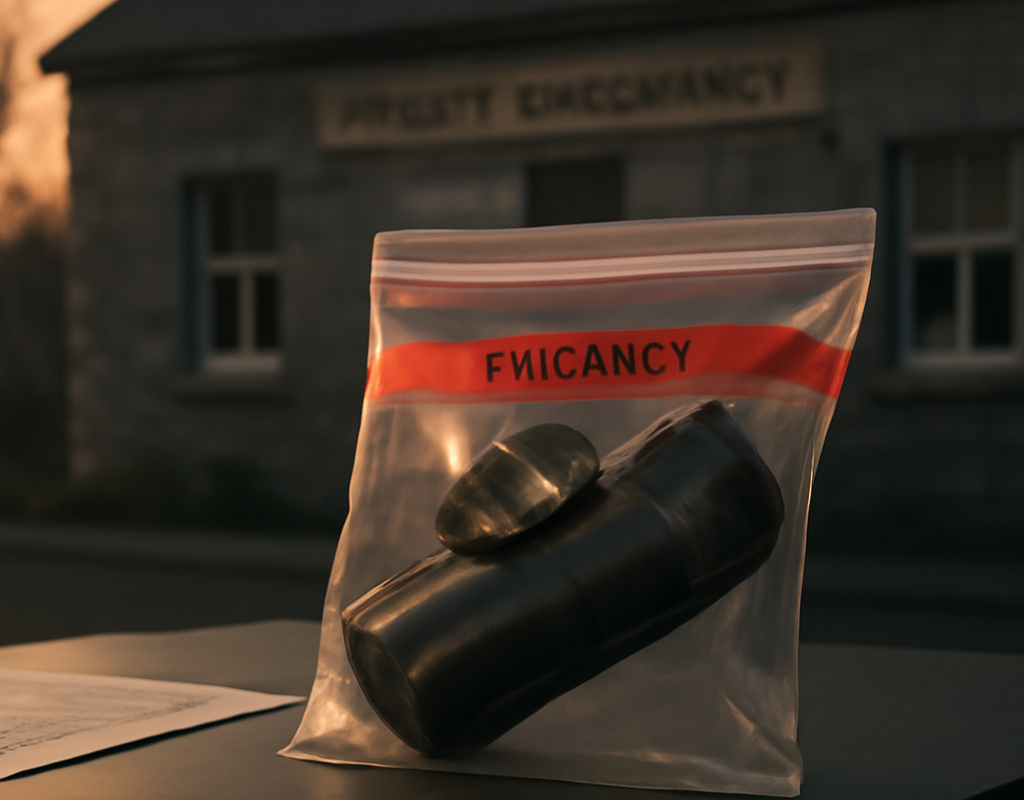
Fiosrú is to investigate whether the firearms holster issued to Garda Colm Horkan was safe and suitable at the time he was murdered in 2020. The independent investigation follows a request from Minister for Justice Jim O’Callaghan, amid renewed political pressure and concerns raised by Garda whistleblowers.
What happened in the Colm Horkan holster investigation?
Fiosrú, Ireland’s police ombudsman, confirmed on Wednesday that it had received a formal request to examine “matters concerning the safety and suitability” of the holster used by Detective Garda Colm Horkan when he was killed.
Garda Horkan was shot in Castlerea, Co Roscommon, on June 17th, 2020. He was killed with his own firearm by Stephen Silver, who was convicted of murder. Silver has since appealed that conviction, meaning related criminal proceedings remain ongoing.
Fiosrú said it had been in contact with Garda Horkan’s family and would now begin an independent investigation. The watchdog said it would make no further comment while the process is under way.
Why is the Garda holster’s safety being questioned?
Concerns about the holsters emerged publicly in a September investigative television programme that included allegations from Garda whistleblowers. The claims centre on the condition and design of leather holsters issued to members of An Garda Síochána.
According to the allegations, some holsters could loosen through use, while creasing in the leather might expose or place pressure near a firearm’s trigger. Concerns were also raised that a person could potentially reach the trigger even when the holster was closed.
These claims have not been established by the Fiosrú investigation. The purpose of the new inquiry is to determine what happened, whether the equipment was appropriate and whether any safety concerns were properly identified or addressed.
- Garda Colm Horkan was killed in Castlerea in June 2020.
- Stephen Silver was convicted of his murder and has appealed.
- Whistleblower allegations raised questions about the condition of Garda firearms holsters.
- Fiosrú will independently examine the safety and suitability of the equipment.
- The Horkan family has also called for wider scrutiny of the circumstances surrounding his death.
Justice Minister refers issue to independent watchdog
Minister for Justice Jim O’Callaghan wrote to Police Ombudsman Emily Logan on Monday requesting the investigation. Speaking in the Dáil, he said he had met members of the Horkan family several times, most recently the previous week, and was aware of their support for a public inquiry.
Mr O’Callaghan said Fiosrú had the necessary powers to examine the holster issue fully. He also said the watchdog was independent and that he had confidence in its ability to investigate without fear or favour.
However, he cautioned that other matters should be allowed to conclude before a decision is made on whether a wider public inquiry is required. Those matters include Silver’s appeal, an inquest and other ongoing processes connected with the case.
Political criticism of the Fiosrú referral
The decision has drawn criticism from opposition politicians who argue that a watchdog investigation is not an adequate replacement for a public inquiry.
Labour justice spokesman Alan Kelly described the referral as another source of distress for the Horkan family. He criticised an earlier investigation by the Garda Síochána Ombudsman Commission, or GSOC, which was started and later discontinued amid claims that Garda management had not cooperated.
Mr Kelly has repeatedly raised concerns about the holsters in the Dáil. He said senior Garda personnel had been aware of alleged defects and claimed that some members had refused to use the equipment or had purchased alternatives themselves. Those allegations will need to be assessed through evidence rather than political claims.
Aontú leader Peadar Tóibín raised the issue during a private members’ debate on Garda protected disclosures and whistleblower protections. He said questions remained about statements made by senior Garda management and the forensic examination of the holsters.
Sinn Féin TD Matt Carthy, chair of the Oireachtas Justice Committee, also called the referral a “cop out”. He argued that a public inquiry was necessary to address wider questions about accountability, transparency and the treatment of protected disclosures.
What happens next?
Fiosrú will now gather and examine relevant evidence. That may include information about the holster’s design, procurement, maintenance, use in the field, previous safety concerns and any forensic material connected with the incident.
The watchdog’s findings could help establish whether the equipment met expected safety standards and whether warnings or complaints were properly handled. The investigation may also clarify the distinction between concerns about general holster safety and evidence directly linked to the circumstances of Garda Horkan’s murder.
No conclusions have yet been reached. The appeal against Silver’s conviction and the inquest remain separate processes, and the government has not committed to establishing a broader public inquiry.
Frequently asked questions
Who is investigating the holster issue?
Fiosrú, Ireland’s independent police ombudsman, will conduct the investigation following a referral from the Minister for Justice.
When was Garda Colm Horkan killed?
Garda Horkan was shot and killed in Castlerea, Co Roscommon, on June 17th, 2020.
Has the holster been confirmed as a cause of death?
No. Allegations about the holster’s safety are being investigated and have not been established as a cause or contributing factor in the murder.
Is there going to be a public inquiry?
The Minister for Justice has said it is important to allow ongoing criminal, inquest and other processes to conclude before considering whether a public inquiry is needed.
Why this matters for Garda safety and accountability
The case raises wider questions about the procurement and oversight of equipment used by frontline members of An Garda Síochána. Firearms holsters are safety-critical equipment: they must secure a weapon, protect the trigger and remain reliable during daily operational use.
For Garda families, whistleblowers and the wider public, the investigation is also a test of whether concerns about policing equipment are recorded, examined and acted on promptly. Its conclusions could influence future equipment standards, internal reporting procedures and protections for members who raise safety concerns.
The central issue now is whether the holster used by Garda Colm Horkan was safe and suitable, and whether warning signs were properly addressed. Fiosrú’s independent investigation should provide the next significant answers, while decisions about any wider public inquiry remain outstanding.