

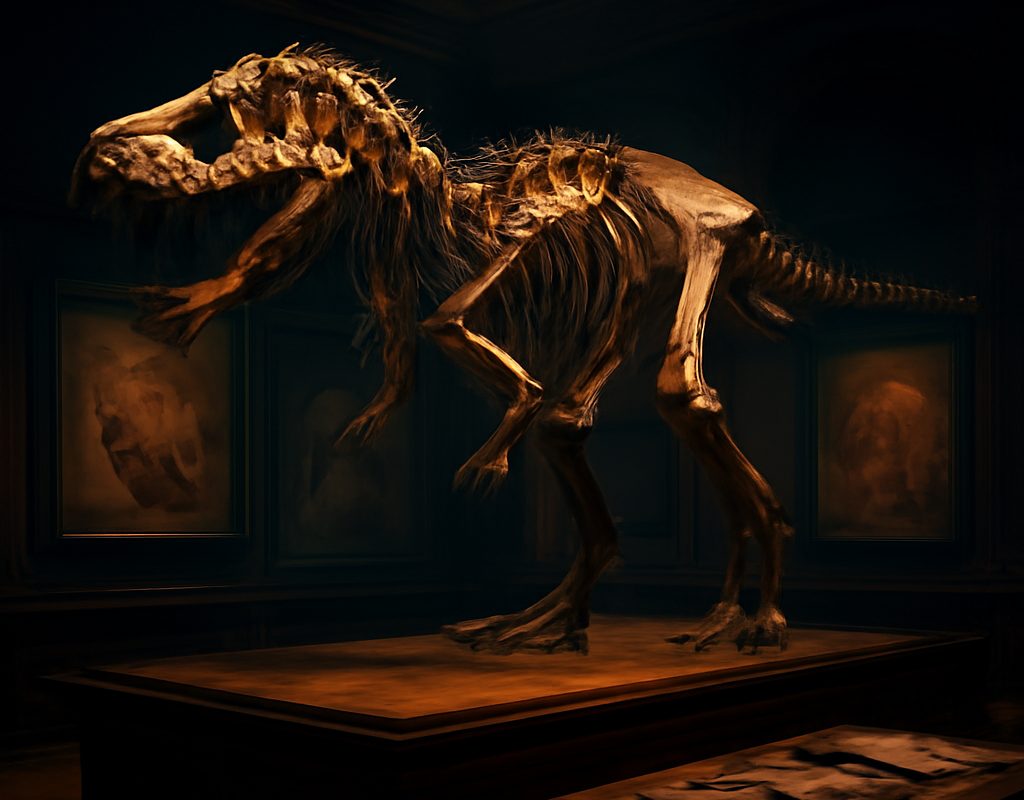
A remarkable dinosaur skeleton is set to be auctioned, giving collectors and natural-history enthusiasts a rare opportunity to own a piece of prehistoric history. The sale is attracting attention as one of the more unusual stories in Breaking News Ireland, although key details about the specimen and auction arrangements remain limited in the available information.
Breaking News: Dinosaur skeleton auction draws attention
The planned auction has sparked interest because complete or substantially preserved dinosaur remains are uncommon in private sales. Unlike ordinary collectibles, fossils can carry scientific, educational and cultural significance, making questions about their origin, authenticity and legal ownership especially important.
The report concerns a dinosaur skeleton identified as “Jodi”. The available source material does not provide enough verified information to confirm the dinosaur’s species, age, excavation location, estimated value, auction date or the identity of the seller. Those details should be checked against the auction house’s official catalogue before any bidding takes place.
Why the sale matters
Dinosaur fossils are more than striking display pieces. They can help researchers understand anatomy, movement and ancient ecosystems. A skeleton offered to private buyers may eventually be displayed in a museum, acquired by an institution or kept in a private collection, but the final outcome depends on the auction and any applicable ownership conditions.
- Scientific importance: Preservation quality can determine how useful a fossil is for research.
- Provenance: A documented chain of ownership helps establish where the specimen came from.
- Authenticity: Buyers generally need expert assessment to distinguish genuine fossil material from reconstructed or composite sections.
- Legal compliance: Export, import and ownership rules may vary depending on the country of origin.
For more unusual stories and developing Ireland headlines, follow DailyDigest’s latest coverage.
What buyers should know before bidding
Anyone considering a high-value fossil purchase should review the full auction documentation rather than relying solely on photographs or promotional descriptions. The catalogue should explain whether the skeleton is original, restored, mounted or partially reconstructed.
Important questions may include:
- What species has been assigned to the specimen?
- How much of the skeleton is original fossil material?
- Which parts, if any, are replicas, casts or restored elements?
- Where and when was the fossil discovered?
- Is there a complete provenance record?
- Are there restrictions on transport, export or resale?
- Does the sale price include buyer’s premium, taxes, crating and shipping?
These checks are particularly relevant when a fossil crosses international borders. A successful bid does not automatically guarantee that the object can be moved freely to another country. Customs, heritage and wildlife-related rules may apply depending on the specimen’s origin and destination.
How dinosaur fossils are valued
The market value of a dinosaur skeleton can be influenced by several factors, including rarity, completeness, scientific importance, visual presentation and the quality of documentation. A well-preserved and recognisable specimen is typically more appealing to buyers than an incomplete collection of isolated bones, but appearance alone does not establish authenticity or research value.
Restoration is another important consideration. Fossil preparation often involves stabilising fragile material, filling gaps and creating supportive mounts. That work can make a skeleton suitable for display, but buyers should be able to distinguish original elements from modern additions.
Private ownership and public access
Auctions of scientifically significant fossils can raise a wider question: should important specimens remain in private collections or be made available to museums, universities and the public? Private buyers can preserve and display fossils, while public institutions may provide broader access and support long-term research.
There is no single answer for every fossil. The decision depends on the specimen’s provenance, scientific value, legal status and the intentions of the eventual owner. Transparency is essential in each case.
What happens next?
The next confirmed information is expected to come from the auction listing, including the sale date, venue or online platform, estimate, bidding terms and technical description of “Jodi”. Interested readers should rely on official auction materials for final details, as early reports may not include the complete catalogue information.
The story may also develop if museums, palaeontologists or heritage authorities comment on the specimen. At present, the available source content does not confirm any institutional response or provide independent expert assessment.
Frequently asked questions
What is being auctioned?
A dinosaur skeleton known as “Jodi” is reportedly due to be offered at auction. The available information does not confirm its species or completeness.
When will the auction take place?
The supplied source content does not state a confirmed auction date. Readers should consult the official auction listing for current arrangements.
How can buyers check whether a fossil is genuine?
Buyers should examine the provenance file, condition report and any independent palaeontological or geological assessment. They should also establish which sections are original and which have been restored or replicated.
Can a purchased fossil be taken to another country?
Not necessarily. Import, export, customs and heritage regulations may apply, depending on where the fossil was found and where it is being sent.
Conclusion
The auction of the “Jodi” dinosaur skeleton is an unusual development attracting attention in Breaking News and the wider world of natural-history collecting. Until the official catalogue confirms the specimen’s identity, provenance, condition and sale terms, potential buyers and readers should treat unverified details cautiously. The clearest takeaway is simple: with scientifically important fossils, documentation and legal status matter just as much as the spectacle of the auction.