

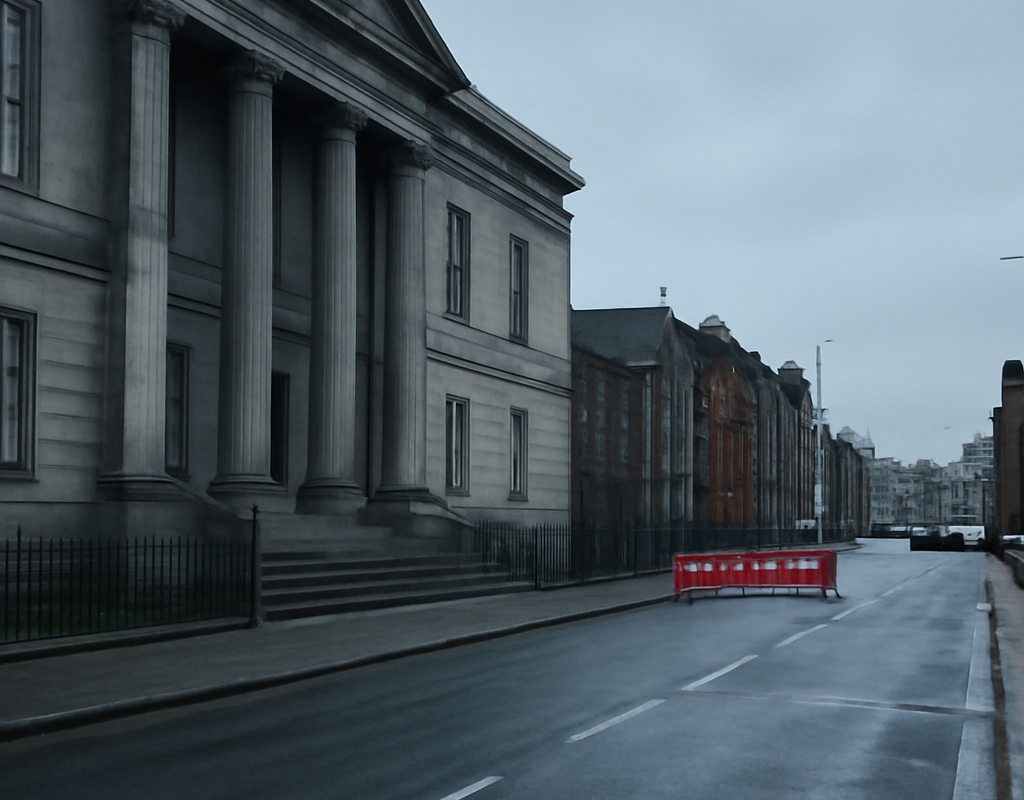
A Belfast court has issued a ruling concerning a proposed Orange Order parade ban at Garvaghy Road, placing renewed attention on one of Northern Ireland’s most sensitive disputes over public processions. The decision is significant for residents, parade organisers and policing authorities as they assess what happens next.
This Breaking News development remains closely watched across Northern Ireland. The available source material identifies the court case and the location but does not provide the full judgment or detailed terms of the ruling. Those details are important in determining whether the parade can proceed, under what conditions, or remains restricted.
What happened in the Belfast court case?
The case involved a legal challenge connected with a proposed Orange Order parade on or near Garvaghy Road. The route has long been associated with disputes over parades, residents’ objections and competing claims about cultural expression, public order and community rights.
The court’s ruling is now the central development. However, the precise legal reasoning, any conditions attached to the decision and the practical arrangements for the proposed event should be confirmed through the full judgment or official statements from the relevant authorities.
Why the Garvaghy Road parade dispute matters
Parades occupy an important place in Northern Ireland’s political and cultural life. For participants, an Orange Order procession can represent tradition, identity and commemoration. For residents who object to a route, the same event may raise concerns about consent, disruption, symbolism and the potential for tension.
That is why decisions involving Garvaghy Road attract attention well beyond the immediate area. They can affect:
- Local residents living along or near the proposed route
- Orange Order members and supporters
- Police and public-order planners
- Businesses, road users and public transport passengers
- Community relations across Northern Ireland
The ruling does not remove the wider debate. It addresses the legal question before the court, while operational and public-order decisions may still require coordination between organisers, authorities and local communities.
Read More
Follow DailyDigest for further Northern Ireland News, court developments and public-service updates.
What is known about the legal process?
Challenges involving parade restrictions can raise questions about how decisions were made, whether relevant procedures were followed and how competing rights were balanced. A court may examine the legality of an order or restriction rather than decide broader political disagreements about parading.
The final outcome may therefore depend on the exact wording of the judgment. Key points to watch include:
- Whether the restriction was upheld, overturned or sent back for reconsideration.
- Whether the court identified procedural or legal errors.
- Whether any parade would be subject to conditions.
- Which authority is responsible for the next decision.
- Whether an appeal or further application is possible.
Until the complete ruling is available, it would be premature to draw conclusions about the wider impact of the case.
What happens next?
The next steps are likely to involve the parties reviewing the judgment and clarifying its practical effect. If a procession is permitted, police and local authorities may need to plan traffic management, stewarding and public-safety arrangements. If restrictions remain in place, organisers may consider their legal options or alternative arrangements.
Residents and visitors should rely on official updates for information about road closures, public transport changes and any safety advice. Social media claims can circulate quickly during contentious events, but they may not reflect the court’s actual order or the latest operational plan.
Frequently asked questions
Where is Garvaghy Road?
Garvaghy Road is in Portadown, County Armagh, in Northern Ireland. The area has been linked to longstanding disputes over Orange Order parades and proposed procession routes.
Does a court ruling automatically mean a parade will take place?
Not necessarily. The effect depends on the terms of the judgment and any conditions or decisions that follow from the relevant authorities.
Who is affected by the decision?
Residents, parade organisers, police, local businesses, road users and public transport passengers may all be affected, depending on whether an event proceeds and what arrangements are put in place.
Where can people find reliable updates?
The full court judgment, official policing information and statements from the parties are the most reliable sources for confirmed details. Further Breaking News Ireland updates may follow as the legal and operational position becomes clearer.
Why this remains an important Northern Ireland story
The Belfast court ruling brings a new legal development to a dispute shaped by history, identity and community relations. Its immediate consequences will depend on the judgment’s wording and any subsequent decisions, but the case underlines how parade disputes can quickly become matters of public order and constitutional sensitivity.
For now, the clearest takeaway is that the court has ruled on the proposed Garvaghy Road parade, while important practical details remain to be confirmed. Readers should look for verified News Updates from official sources before making travel plans or drawing conclusions about what happens next. This is the latest Irish News development in a case that continues to carry significance across Northern Ireland.