

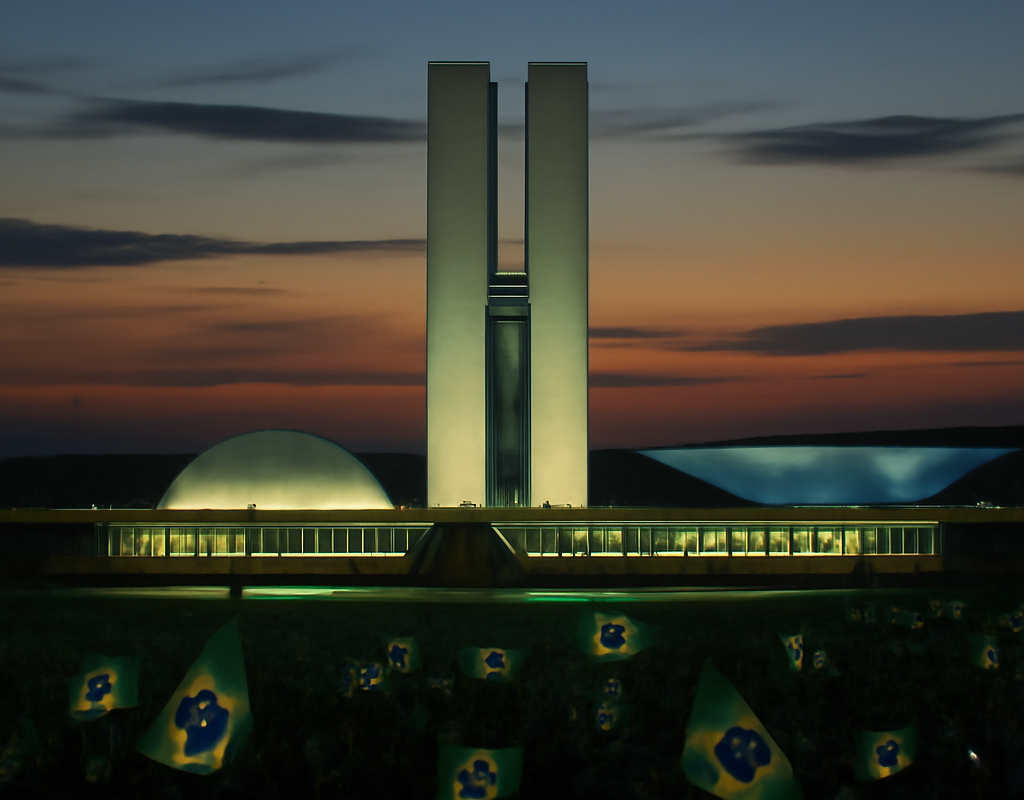
Brazil’s presidential election has been won by Luiz Inácio Lula da Silva, according to the supplied source material, while his rival Flávio Bolsonaro has rejected the result without evidence being provided to support claims of irregularities. The outcome is significant beyond Brazil because it may influence relations with the United States, regional political trends, trade policy and the future direction of Latin America’s largest economy.
The reported result follows a closely contested campaign between the left-wing incumbent and Flávio Bolsonaro, the son of former president Jair Bolsonaro. The election was held against a backdrop of intense political polarisation, concerns about corruption and debate over Brazil’s relationship with Washington.
What happened in Brazil’s presidential election?
Lula secured victory in the presidential runoff, defeating Flávio Bolsonaro after a campaign that had been presented as a decisive contest between Brazil’s political left and right. The result reportedly means that Lula will remain in office and continue pursuing policies that differ from the positions associated with US President Donald Trump and conservative leaders elsewhere in the region.
Flávio Bolsonaro rejected the result, but the source material does not provide evidence demonstrating that the election was rigged. Any formal challenge would need to follow Brazil’s constitutional and electoral procedures, with the relevant authorities responsible for examining complaints and certifying the outcome.
A closely watched second round
The runoff followed a first round in which neither leading candidate secured enough support to avoid a second vote. Reports from the campaign described a tight race, with voter abstention a significant concern and corruption among the issues shaping public debate.
Voters participated across a geographically diverse country. The supplied coverage highlighted long queues in Rio de Janeiro, journeys by canoe in the Amazon and public demonstrations of support for Lula in Brasília and other cities. Those scenes reflected the national reach of an election whose consequences extend from urban centres to remote communities.
Why the result matters for Brazilian politics
Lula’s victory represents a continuation of the political path established by his administration, rather than a shift toward the right-of-centre forces that have gained ground in several Latin American countries. The result is also likely to keep Brazil’s domestic political debate sharply divided.
The election campaign focused on several issues with direct relevance to Brazil’s future:
- public spending and the management of the national economy;
- corruption and confidence in public institutions;
- Brazil’s relationship with the United States;
- environmental protection and deforestation in the Amazon;
- the role of conservative and progressive movements in national politics.
Although the source material does not provide a detailed policy programme for Lula’s next period in office, it indicates that his government is expected to continue resisting pressure from Trump on issues including tariffs and broader bilateral relations.
Brazil’s relationship with the United States
The election has international implications because Brazil is a major economic and diplomatic power. During the campaign, Trump criticised Brazil’s political process and said the election appeared “rigged”, while the source material does not identify evidence supporting that claim.
Any deterioration in relations between Brasília and Washington could affect discussions involving trade, tariffs, diplomatic cooperation and the wider political balance in the Americas. Brazil’s position also matters in international debates on climate policy, food production and the protection of the Amazon rainforest.
For businesses and governments, the immediate question is whether the election result will lead to a more confrontational relationship with the United States or whether both sides will seek to preserve practical cooperation. That will depend on decisions by the Brazilian government and its international partners after the result is formally processed.
The Amazon and environmental policy
Environmental policy was another important dimension of the election. The supplied material reported that deforestation had fallen sharply over the preceding year and that fires in the Amazon had reached a low level. It also warned that a change in political leadership could put that progress at risk.
Lula’s return to office is therefore likely to be closely watched by environmental organisations, Indigenous communities, agricultural interests and international governments. The central issue will be whether Brazil can maintain reductions in deforestation while balancing development, farming, mining and land rights.
Indigenous rights were already prominent in the national debate before the vote. Indigenous people had marched in Brasília to demand recognition of ancestral lands and stronger action against land grabbing, mining and illegal logging. Those disputes are likely to remain politically important after the election.
What happens next?
The next stage is the formal completion of Brazil’s electoral process, including the confirmation of the result by the competent electoral authorities. The source material does not specify whether Flávio Bolsonaro has filed a formal legal challenge or what remedy he is seeking.
Attention will then turn to the transition of government, Lula’s policy agenda and the composition of the political coalition needed to govern. The new administration will also face pressure to address economic concerns, social divisions and demands for accountability surrounding the election campaign.
Internationally, governments will assess what the result means for Brazil’s trade relationships, climate diplomacy and ties with the United States. The outcome is likely to remain an important reference point in European and global coverage of Latin American politics.
Conclusion
Brazil’s presidential election has delivered victory to Lula, while Flávio Bolsonaro’s rejection of the result introduces a period of political uncertainty. The most important developments now will be the formal certification of the vote, any properly submitted legal challenge and the new government’s approach to the economy, the Amazon and relations with the United States. This is a major development in EU news only in the broader context of international affairs; the decision itself is Brazil’s national election, not an act of the European Union.