

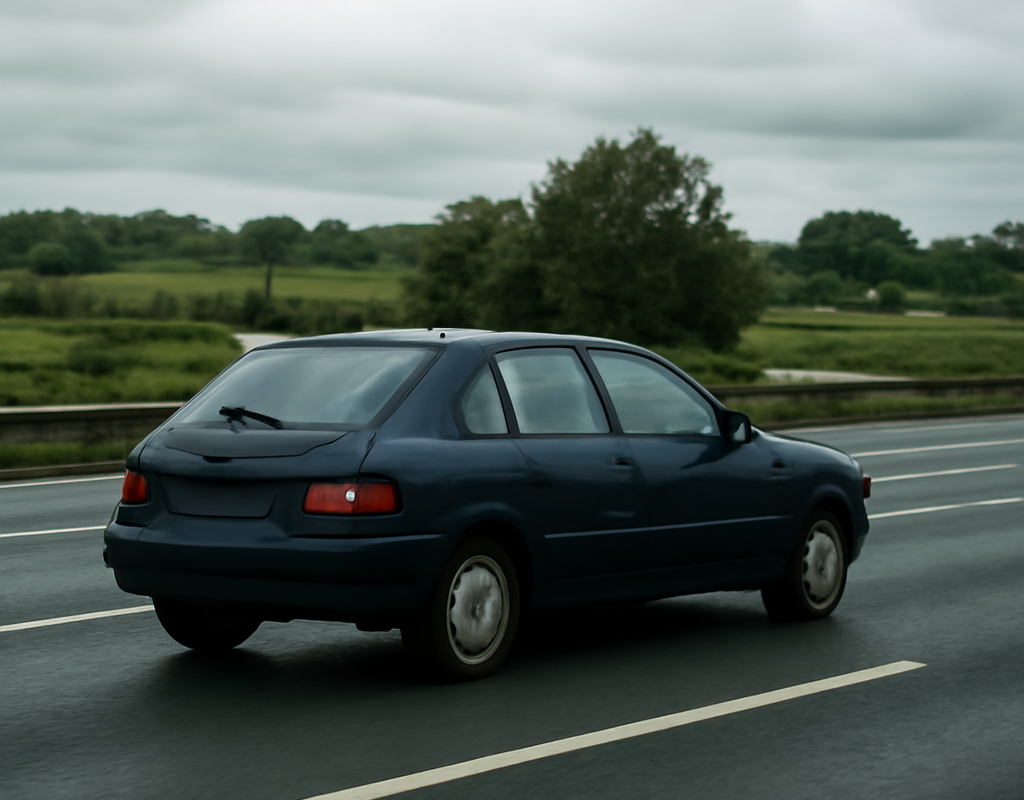
Drivers of older diesel cars may be wondering how motorway use affects their vehicle, fuel consumption and long-term reliability. This breaking news-style motoring explainer looks at the key considerations for anyone driving a 2008-registered diesel car on Irish roads.
Motorway driving is not automatically harmful to an older diesel. In many cases, steady journeys at sustained speed can be more suitable for a diesel engine than repeated short trips through urban traffic. However, the condition of the car, its maintenance history and the way it is driven all matter.
Why motorway driving can suit an older diesel
Diesel engines were designed to deliver strong torque and good fuel economy over longer distances. A regular motorway journey allows the engine to reach its normal operating temperature and run consistently, rather than repeatedly starting from cold.
That can be beneficial because short urban journeys often involve idling, frequent braking and low-speed driving. These conditions may increase fuel use and place additional strain on components such as the clutch, brakes and exhaust system.
Potential advantages of longer journeys
- The engine has more time to reach operating temperature.
- Steady driving can support better fuel efficiency.
- Longer trips may reduce the build-up associated with constant short-distance use.
- Drivers can identify noises, vibrations or warning lights earlier.
These benefits should not be interpreted as a substitute for servicing. An older vehicle still needs regular oil changes, inspections and prompt attention to warning signs.
What 2008 diesel owners should check first
A car registered in 2008 is now an older vehicle, regardless of mileage. Before undertaking frequent motorway travel, owners should check the basics and review the car’s service history.
- Engine oil and coolant: Low levels or leaks should be addressed before a long journey.
- Tyres: Check tread depth, pressure and signs of uneven wear. Correct pressures are particularly important at motorway speeds.
- Brakes: Grinding, pulling to one side or vibration during braking requires professional inspection.
- Battery: A weak battery can cause starting problems, especially during colder weather.
- Lights and wipers: Good visibility and working lights are essential on Ireland’s motorways.
- Service records: Confirm when the timing belt, filters and major fluids were last replaced.
Drivers should also check whether the vehicle has a diesel particulate filter, commonly known as a DPF. Not every 2008 diesel uses the same emissions equipment, so the handbook or manufacturer information should be consulted.
Diesel particulate filters and longer journeys
Many newer diesel cars use a DPF to capture soot from exhaust gases. When conditions allow, the vehicle may carry out a regeneration cycle, raising exhaust temperatures to burn off accumulated particles.
Frequent short journeys can make this process more difficult because the engine may not remain hot for long enough. A longer drive can sometimes help the system complete its cycle, but drivers should never attempt to force regeneration if a warning light appears. A persistent warning should be assessed by a qualified mechanic.
Symptoms of a possible emissions-system problem can include reduced power, unusual fan activity, increased fuel consumption or a dashboard warning light. Ignoring these signs may lead to a more expensive repair.
Read More
For more practical motoring coverage, visit DailyDigest for road safety, transport and consumer updates.
Is motorway driving stressful for an older car?
Motorway driving can place sustained demands on an ageing vehicle, but steady speed is often less mechanically stressful than constant stop-start traffic. The greater concern is whether the car can maintain safe performance under load.
Before joining a motorway, drivers should make sure acceleration is adequate, mirrors are correctly adjusted and the car remains stable at speed. New rattles, steering vibration, overheating or a burning smell should not be dismissed as normal signs of age.
It is also important to plan rest stops. Fatigue remains a major road-safety risk, and an older car should not be pushed through a journey if the driver notices a mechanical problem.
Fuel economy, emissions and running costs
Diesel fuel economy depends on speed, traffic, tyre pressure, vehicle weight and maintenance. A heavily loaded car travelling at high speed may use considerably more fuel than one driven smoothly at a moderate motorway pace.
Older diesel vehicles may also face higher maintenance costs as components wear. The most economical approach is usually preventive maintenance: replacing filters when required, correcting tyre pressures and dealing with small faults before they become major failures.
Owners should remember that fuel economy is only one part of the cost of driving. Insurance, motor tax, servicing, repairs and potential emissions-related work all affect the overall running cost.
What should drivers do before a long trip?
A short pre-journey inspection can reduce the risk of a breakdown. Drivers should allow time to check the vehicle rather than relying solely on dashboard warnings.
- Check tyre pressures when the tyres are cold.
- Confirm oil, coolant and screen-wash levels.
- Test lights, indicators and wipers.
- Inspect the boot for a warning triangle, spare wheel or puncture kit.
- Keep breakdown-assistance details accessible.
- Plan fuel stops and allow breaks during the journey.
Frequently asked questions
Is motorway driving good for a 2008 diesel?
It can be suitable, particularly compared with repeated short trips, because the engine reaches operating temperature and runs consistently. The vehicle must still be roadworthy and properly maintained.
Can a motorway journey clean a diesel particulate filter?
A longer journey may provide conditions in which an automatic regeneration cycle can take place, but it is not a guaranteed fix. A warning light or loss of power should be checked by a mechanic.
How often should an older diesel be serviced?
The manufacturer’s schedule should be followed, with additional inspections based on mileage, age and driving conditions. Older cars may benefit from more frequent checks when reliability is a concern.
The key takeaway for Irish drivers
For many owners, motorway driving is not the problem; poor maintenance and ignored warning signs are. A well-maintained 2008 diesel can handle longer journeys, but drivers should check essential systems, drive smoothly and act quickly if the car shows signs of trouble.
This breaking news motoring guidance is especially relevant to drivers planning regular motorway travel in Ireland. The safest decision is simple: assess the vehicle before the journey, follow its maintenance requirements and never treat a dashboard warning as something to ignore.