

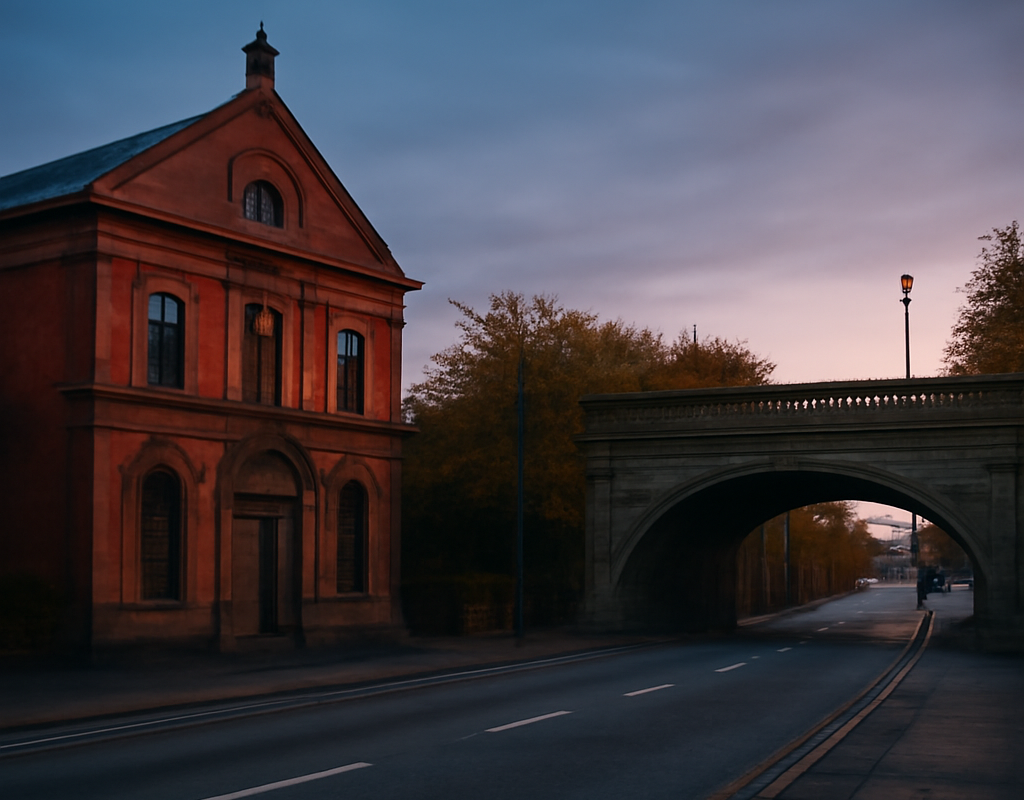
An Orange Order veteran in south Belfast has described Drumcree as a “moment of clarity” for the unionist community, while arguing that the unresolved dispute over parading rights on the Ormeau Road remains a live issue.
Noel Liggett, District Master of Ballynafeigh Loyal Orange Lodge No 10, made the comments as the Belfast Walkers’ Club seeks permission to march across the Ormeau Bridge on November 7th, ahead of Armistice Day. The application is understood to be the same one submitted over the past 15 years and has previously been refused by the Parades Commission.
Breaking News from Northern Ireland: what is happening on the Ormeau Road?
The proposed march has renewed attention on one of Belfast’s most sensitive parade routes. The Ballynafeigh lodge last completed the full route along the Ormeau Road for the Twelfth of July in 1998. From the following year, the Parades Commission prohibited the lodge from crossing the bridge into the Lower Ormeau.
That restriction has remained in place. Liggett said the current application should not be automatically linked to the Drumcree controversy in Portadown, although he acknowledged that events there were likely to influence how people interpret any new parade application.
- The Ballynafeigh lodge has not marched across the Lower Ormeau route since 1998.
- The Parades Commission imposed a restriction from 1999.
- A November 7th application has been submitted by the Belfast Walkers’ Club.
- The proposed event is scheduled ahead of Armistice Day.
Why the Ormeau parade dispute remains unresolved
Liggett said the issue had not been settled despite the passage of time. The Ormeau Road has changed significantly since the Troubles, including a shift in the area’s demographic balance and substantial redevelopment of the commercial district.
He argued that members of the Protestant community now feel marginalised in an area where they were once a majority. He also criticised what he described as a divide between working-class loyalists and more affluent residents who, in his view, have little sympathy for the Orange tradition.
These claims reflect one side of a dispute that has repeatedly placed cultural expression, public order and community consent at the centre of Northern Ireland’s political debate. Parade decisions are assessed by the Parades Commission, which considers factors including the proposed route, local objections and the potential impact on public safety and community relations.
Drumcree’s continuing impact on unionist politics
Drumcree remains one of the defining parade disputes of the post-Troubles period. The confrontation centred on an Orange Order parade in Portadown and became a wider symbol of competing interpretations of rights, identity and sovereignty.
Liggett said the controversy had produced a renewed sense of political clarity among unionists. He maintained that many unionists now view statements from nationalist parties and political leaders in the Republic with greater suspicion, particularly when they relate to Northern Ireland’s constitutional future.
His assessment is contested. Nationalists and republicans have historically argued that contentious parades can cause fear, offence and disruption in communities that do not consent to the route. The opposing position is that restrictions on traditional routes amount to unequal treatment and an erosion of cultural rights.
Orange Order says community engagement is part of its response
After the restrictions prevented the lodge from using the full Ormeau Road route, Liggett said members chose to engage with the wider community rather than withdraw behind the doors of the Orange Hall.
The lodge has hosted visitors, explained the organisation’s history and answered questions about Orange traditions. He recalled a visit by a pensioners’ group from the Garvaghy Road, another area associated with major parade disputes.
Liggett was awarded an MBE in 2025 for his work promoting good relations and community cohesion in south Belfast over three decades. He said the recognition was a source of pride, although he described himself as uncomfortable with public attention.
Identity, religion and the debate over sectarianism
The Orange Order describes itself as a Protestant fraternal organisation. Critics, however, have long accused it of reinforcing sectarian divisions, particularly when parades pass through predominantly Catholic or nationalist areas without local agreement.
Liggett rejected the description of the order as inherently sectarian. He compared it with religious organisations serving particular communities and said much of the public perception of Orangemen was shaped by hostility and misunderstanding.
The debate illustrates why parade disputes remain difficult to resolve. Supporters emphasise freedom of expression, cultural tradition and the right to assemble. Opponents focus on consent, historical experience, public disruption and the impact of displays associated with British unionism.
For further context on Northern Ireland’s changing political and community landscape, explore related coverage at DailyDigest.ie.
What happens next?
The immediate next step is the Parades Commission’s consideration of the November 7th application. Any determination will be closely watched because of the route’s history and the wider sensitivity surrounding Drumcree.
The decision may affect policing requirements, local community relations and the tone of public debate in the weeks before Armistice Day. Regardless of the outcome, the application demonstrates that the underlying disagreement over identity and parade routes has not disappeared.
Frequently asked questions
What is the Orange Order?
The Orange Order is a Protestant fraternal organisation founded in Ireland in the late 18th century. It is associated with parades, commemorations and the defence of Protestant and unionist traditions.
Why is the Ormeau Road significant?
The Ormeau Road has been a major flashpoint in Belfast’s parade disputes. The route passes through communities with different religious, cultural and constitutional identities.
What does the Parades Commission do?
The Parades Commission is responsible for making determinations on public processions in Northern Ireland. Its decisions can include conditions or restrictions relating to routes, timing and conduct.
Conclusion
This latest Northern Ireland news story shows why parade disputes continue to carry political weight long after the original confrontations have faded from daily life. Noel Liggett’s comments present the unionist perspective that Drumcree changed the community’s outlook, while the pending Ormeau application places questions of tradition, consent and public order back in focus. The Parades Commission’s decision will be the next significant development, but lasting progress will depend on dialogue between communities as well as formal rulings.