




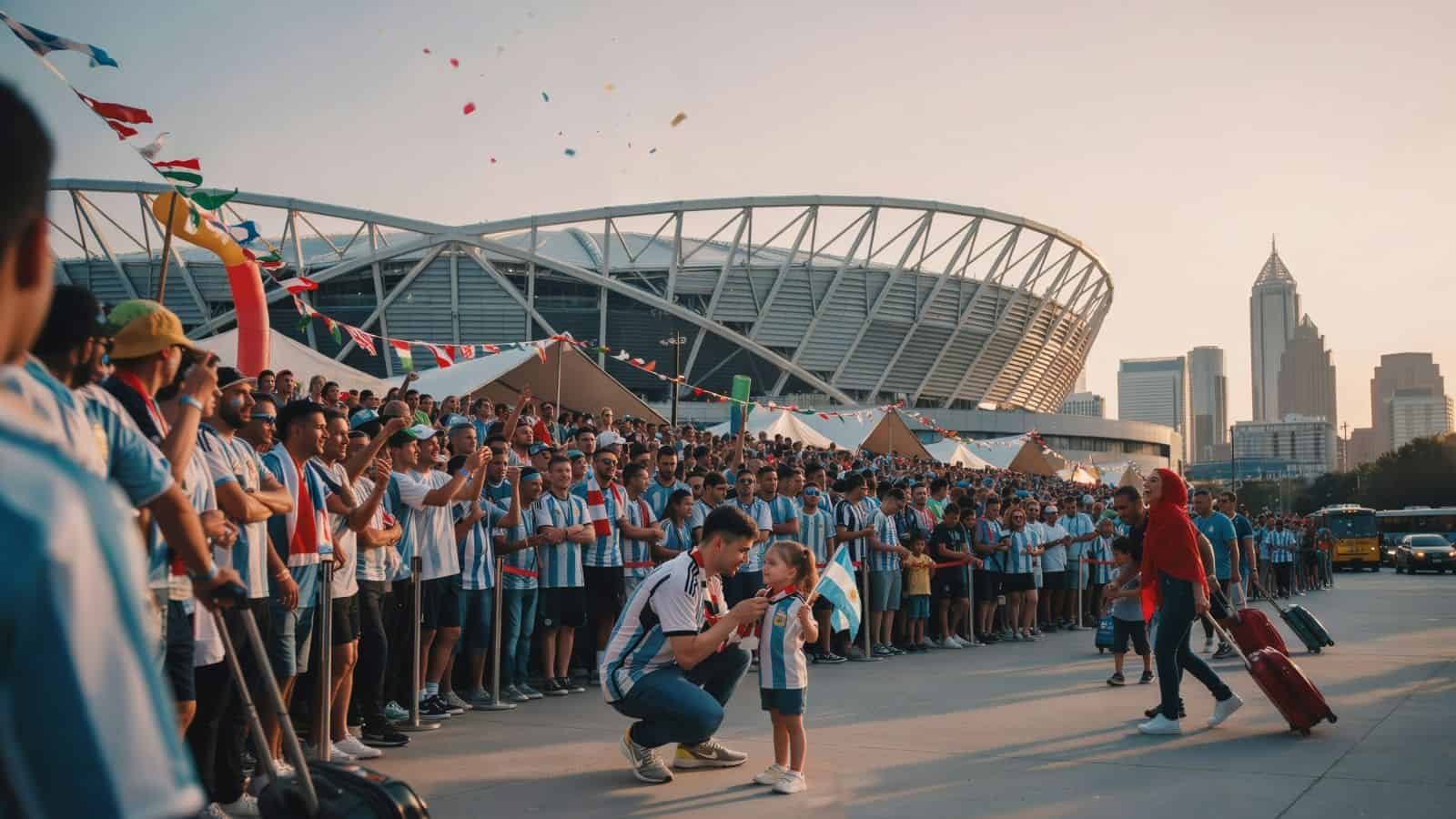
Atlanta sports tourism is taking center stage as Argentina prepare to face Egypt in a FIFA World Cup 2026 Round of 16 showdown that is expected to draw thousands of international visitors. More than a knockout football match, this high-profile fixture at Mercedes-Benz Stadium on 7 July 2026 highlights how major sporting events can reshape travel demand, lift hotel occupancy, increase airline traffic and turn host cities into global tourism hotspots.
With Lionel Messi expected to feature for defending champions Argentina and Egypt making a landmark appearance in the knockout phase, Atlanta is emerging as one of the most talked-about destinations of the tournament. For airlines, travel brands, hotels, restaurants and tour operators, the commercial impact could be significant.
Atlanta Sports Tourism Gets a Major World Cup Moment
The Argentina vs Egypt match reflects the growing strength of Atlanta sports tourism in the global travel economy. Atlanta has long built its reputation as a host for mega-events, but the FIFA World Cup 2026 provides a fresh opportunity to showcase the city to a truly worldwide audience.
The city’s advantages are clear:
- Home to Hartsfield-Jackson Atlanta International Airport, one of the busiest airports in the world
- A modern stadium built for world-class sporting events
- Large hotel inventory across Downtown, Midtown and Buckhead
- Strong convention and event infrastructure
- Entertainment districts that encourage longer stays and higher visitor spending
These factors make Atlanta especially well placed to benefit from the expanded 48-team World Cup format, which is spreading tourism gains across multiple host cities in the United States, Canada and Mexico.
Why Argentina vs Egypt Is Bigger Than Football
Some World Cup matches generate attention far beyond the pitch, and this is one of them. Argentina remain one of football’s biggest travel magnets, with supporters known for following the team across continents, especially during knockout rounds. Messi’s likely involvement adds even more urgency for fans who see this tournament as one of the final chances to watch him on the sport’s biggest stage.
Egypt’s presence adds a powerful second layer. Their progress to the Round of 16 has energized supporters across North Africa and the Middle East, while Mohamed Salah’s global profile expands the match’s reach even further. That mix of elite star power, emotional fan investment and knockout-stage tension is exactly what drives premium travel demand.
In practical terms, this means:
- More last-minute international bookings
- Faster hotel sellouts near key Atlanta districts
- Higher airfare on selected routes
- Stronger demand for restaurants, local transport and attractions
How the Match Could Affect Airlines, Hotels and Travel Businesses
One reason Atlanta sports tourism matters so much is its ripple effect across the visitor economy. Knockout fixtures typically produce a different travel pattern from group matches. Once teams qualify, fans rush to finalize flights and accommodation, often paying premium prices for convenience and proximity.
Airlines
Atlanta’s global air links make it a natural gateway for World Cup travelers. Carriers serving Latin America, Europe, Africa and the Middle East could benefit from a late surge in passenger traffic, while connecting services across North America are also likely to see stronger loads.
Hotels
Properties in Downtown Atlanta, near Centennial Olympic Park, and in Midtown and Buckhead are likely to experience the highest occupancy. International supporters often stay longer than domestic event-goers, combining the match with broader US travel plans.
Hospitality and local experiences
Restaurants, bars, guided tours, retail outlets and rideshare services all stand to benefit. Sports tourists are typically high-value visitors because they spend across multiple categories in a compressed time frame.
- Accommodation bookings rise sharply
- Dining and nightlife districts become busier
- Souvenir and merchandise sales increase
- Museums and attractions gain extra footfall
- Local transport networks see heavier demand
What International Visitors Can Do in Atlanta Beyond the Stadium
A key reason Atlanta sports tourism keeps growing is that the city offers more than the match itself. Visitors can easily turn a football trip into a full city break, which benefits both tourism businesses and the wider regional economy.
Popular experiences include:
- Centennial Olympic Park for fan gatherings and central access
- Georgia Aquarium for families and leisure travelers
- World of Coca-Cola for a globally recognized attraction
- Atlanta BeltLine for food, art and urban exploration
- Civil Rights sites for deeper cultural and historical context
- Buckhead for premium shopping and hospitality
This variety is important because modern sports travelers increasingly want a complete destination experience. They are not just attending a match; they are building itineraries around food, culture, nightlife and sightseeing.
The Bigger World Cup Trend Reshaping North American Travel
The 2026 FIFA World Cup is not just expanding the tournament field; it is also expanding the geography of travel demand. With 16 host cities across three countries, supporters are more likely to create multi-city journeys, boosting domestic flights, rail, intercity transport and regional tourism spending.
That broader context matters for Atlanta sports tourism. The city is not operating in isolation. It is part of a continental event network where host cities gain from both direct arrivals and onward travel. A supporter flying in for Argentina vs Egypt may also visit New York, Miami, Orlando or Nashville before heading home.
For destination marketers, this is a long-term branding opportunity. The exposure generated by Messi, Salah and a packed knockout crowd gives Atlanta valuable visibility that can continue driving leisure and event travel long after the final whistle.
FAQs
When is Argentina vs Egypt in FIFA World Cup 2026?
The Round of 16 match is scheduled for 7 July 2026 at Mercedes-Benz Stadium in Atlanta, Georgia.
Why is this match important for travel?
It combines global football stars, knockout-stage drama and strong fan travel demand, making it a major driver for flights, hotels and local tourism spending.
Why is Atlanta well suited for World Cup tourism?
Atlanta offers strong international air connectivity, a top-tier stadium, extensive hotel capacity and a wide range of attractions that encourage longer visitor stays.
How does Messi influence tourism demand?
Lionel Messi remains one of the few athletes whose presence alone can shape travel decisions, increase ticket demand and generate massive global media attention for a host city.
Conclusion
Atlanta sports tourism is getting a defining moment with the Argentina vs Egypt World Cup 2026 clash. The fixture underlines how elite football can transform a city into a global travel magnet, boosting airlines, hotels, restaurants and attractions in a matter of days. For Atlanta, the real win may extend beyond the tournament itself: stronger international visibility, a deeper sports tourism identity and lasting value for the city’s visitor economy.