

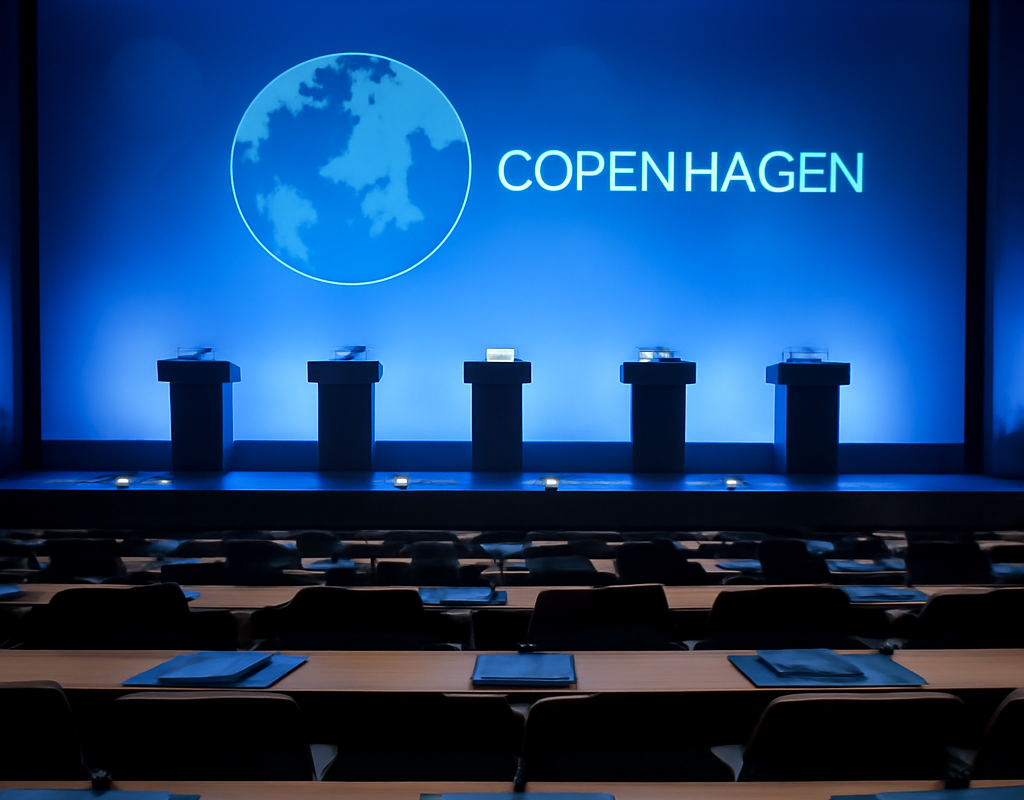
Ireland’s international health role takes centre stage this week as Minister for Health Jennifer Carroll MacNeill TD travels to Copenhagen for the 76th session of the World Health Organisation (WHO) Regional Committee for Europe. The visit highlights Ireland’s support for global health cooperation and stronger, more resilient health services.
The announcement was issued by the Department of Health on 27 October 2026. During the meeting, the Minister will deliver a statement on behalf of the 27 EU Member States, reflecting Ireland’s role as President of the Council of the European Union.
WHO Europe meeting puts Ireland at the heart of health cooperation
The WHO Regional Committee for Europe is the main decision-making body for the organisation’s European region. It brings together 53 countries, including all 27 EU Member States, to discuss public health priorities, assess progress and shape the WHO’s regional programme.
Key issues expected to feature in discussions include:
- Preparedness for health emergencies
- Universal health coverage
- Health inequalities
- Resilient and sustainable healthcare systems
- International cooperation during humanitarian crises
Minister Carroll MacNeill will also hold a number of bilateral meetings during the Copenhagen visit, providing an opportunity to strengthen relationships with European and international partners.
Ireland backs a strong and effective World Health Organisation
In remarks ahead of the meeting, the Minister said she was honoured to speak for the European Union. She stressed the importance of predictable funding for the WHO, particularly as health systems face increasing global pressure.
Her message focused on the need for healthcare systems that are equitable, sustainable and capable of responding effectively to emergencies. The Minister also underlined Ireland’s intention to maintain close engagement with the WHO Regional Office for Europe and other regional partners.
Protection of healthcare during conflict
The Minister acknowledged the WHO’s support for Ukraine and its humanitarian work in Gaza. She emphasised that healthcare workers, patients and hospitals must be protected in every conflict, while humanitarian assistance should reach people in urgent need.
The position places Ireland’s Department of Health within wider European discussions about international health security, humanitarian access and the protection of essential medical services.
Read more
For more updates on Irish public services and national policy, read Ireland government news and public affairs coverage from Daily Digest.
Explore more
Follow latest Ireland health and government announcements on Media Digest, and explore Ireland lifestyle and public-interest stories from Luxe Digest.
What the WHO Regional Committee means for Ireland
Ireland’s participation gives the country a direct platform in regional health policy discussions. It also reflects the role of the Health portfolio in supporting cooperation across agencies and governments, including the Health Service Executive (HSE), which delivers public health and healthcare services nationally.
As international health challenges become more interconnected, cooperation between the WHO, EU Member States and national health authorities remains important for improving preparedness, reducing inequalities and protecting access to care.
Conclusion
The WHO Europe meeting provides Ireland with an important opportunity to promote shared European priorities and reinforce support for effective global health leadership. The Minister for Health’s participation demonstrates Ireland’s commitment to international cooperation, humanitarian principles and stronger health systems. For Ireland, the WHO Europe meeting is both a diplomatic responsibility and a chance to help shape future public health policy.
Article/Image Courtesy: gov.ie