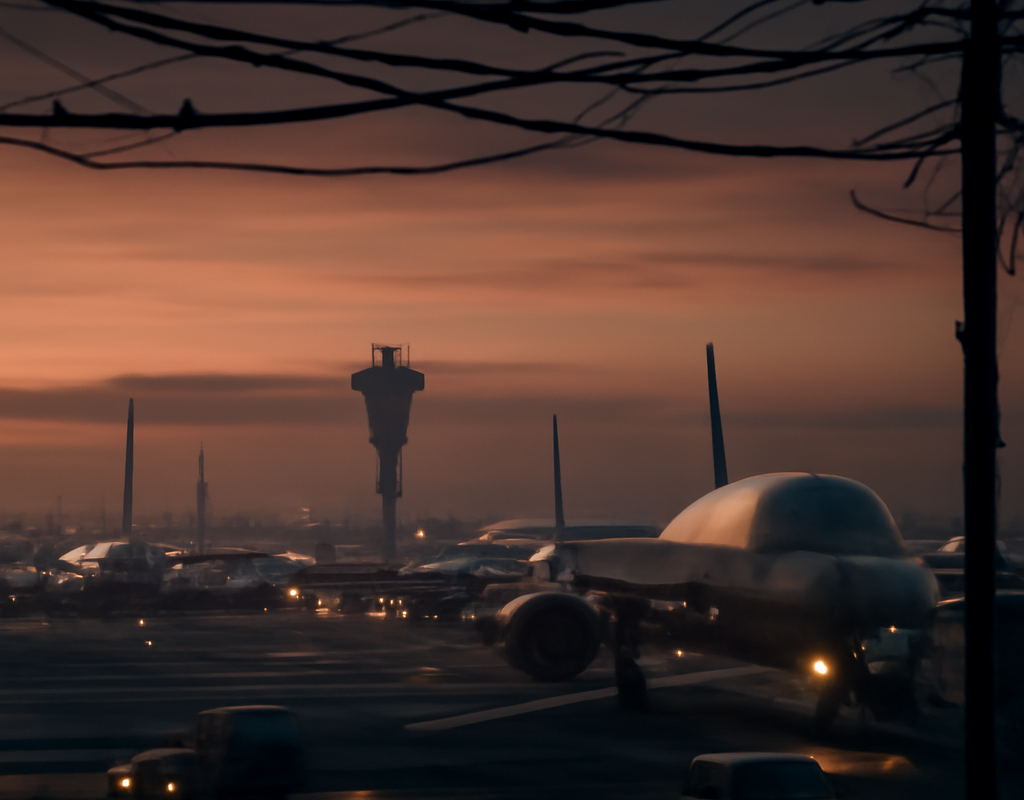
A nationwide US flight ground stop that halted departures for more than four hours was linked to a problem during work to replace ageing copper-wire telecommunications equipment, officials said. The disruption cancelled thousands of flights and raised fresh concerns about the resilience of America’s air traffic control infrastructure.
US flight ground stop followed communications failure
All flights were prevented from taking off from the continental United States between 15:54 EST and 19:54 GMT on Friday, 13 November. The restriction was imposed after an air traffic control communications problem affected systems used to communicate with aircraft.
Transport Secretary Sean Duffy said a router being worked on began flooding other air traffic control systems. The resulting communication issues led authorities to shut down the airspace as a safety measure.
Duffy said investigators were examining whether the incident resulted from incompetence by the contractor carrying out the upgrade or from faulty equipment. He said the US government did not believe the disruption was caused by a cyber-attack, although the investigation remained under way.
Thousands of flights cancelled as disruption continued
The ground stop ended after roughly four and a half hours, but the effects continued across the US aviation network. More than 3,500 flights were cancelled and over 2,000 delayed on Saturday, according to FlightAware.
Some passengers were left waiting inside aircraft on airport tarmacs, unable to depart or return to the gate. Some international services were permitted to leave, apparently to help clear congestion at US airports.
The incident was described as the longest nationwide ground stop since the terrorist attacks of 11 September 2001. Officials warned that disruption could continue for several days as airlines and airports worked through the backlog.
What caused the outage?
The technical work was part of a programme to move air traffic control communications from copper wire to fibre. L3Harris, the technology company carrying out the work, said it had completed more than 70% of the modernisation before the shutdown.
In a statement, L3Harris said it was supporting the Federal Aviation Administration’s investigation into the conditions that led to the ground stop. The company said it took the impact on travellers, airlines and air traffic operations seriously.
Duffy said the US still has an “incredibly old telecommunications system”, with some equipment being replaced because the wire involved was being discontinued. The episode highlights the risks involved in upgrading critical infrastructure that must continue operating while modernisation work takes place.
Officials say there is no evidence of cyber-attack
Bryan Bedford, head of the Federal Aviation Administration, said officials had found “zero evidence” of anything malicious or related to artificial intelligence. That assessment was presented alongside the warning that investigators had not yet completed their work.
The cause matters because a technical failure during a planned upgrade raises different questions from a deliberate attack. Investigators will need to establish how the equipment was connected, why traffic was flooded into other systems and what safeguards were available to prevent a wider failure.
Calls for investment in air traffic control
Duffy warned that a similar incident could happen again unless Congress approves further upgrades to the country’s air traffic control infrastructure. President Donald Trump has requested $30.1bn for the work, while both chambers of Congress are controlled by Republicans.
Former Transportation Security Administration administrator John Pistole told the BBC that restoring the system within four and a half hours showed resilience. However, he questioned whether another failure could occur the following day.
The disruption therefore goes beyond a single cancelled-flight event. It has renewed attention on the condition of the communications networks supporting aviation, the management of upgrade projects and the need for contingency systems when essential equipment fails.
What travellers should expect next
Passengers affected by the outage should check directly with their airline before travelling to an airport, as cancellations and delays may continue while aircraft and crews are repositioned. Travellers should also allow extra time for crowded terminals and rebooking queues.
- Check the latest flight status with the airline rather than relying only on airport departure boards.
- Keep records of cancellation notices and rebooking information.
- Expect knock-on delays even where the original flight is operating.
- Follow airline instructions about alternative services or revised departure times.
The immediate priority is restoring normal operations safely. The longer-term question is whether the planned communications upgrade can be completed without another nationwide interruption.
The wider lesson from the US flight ground stop
The US flight ground stop shows how dependent modern aviation is on communications infrastructure that passengers rarely see. A failure during a routine technology upgrade was enough to suspend departures nationwide and disrupt thousands of journeys beyond the period when flights were officially grounded.
Until the investigation establishes exactly what went wrong, officials have not attributed responsibility or ruled on the final technical cause. What is clear is that ageing systems require urgent investment, but upgrades must be delivered with safeguards capable of protecting the travelling public when something fails.