

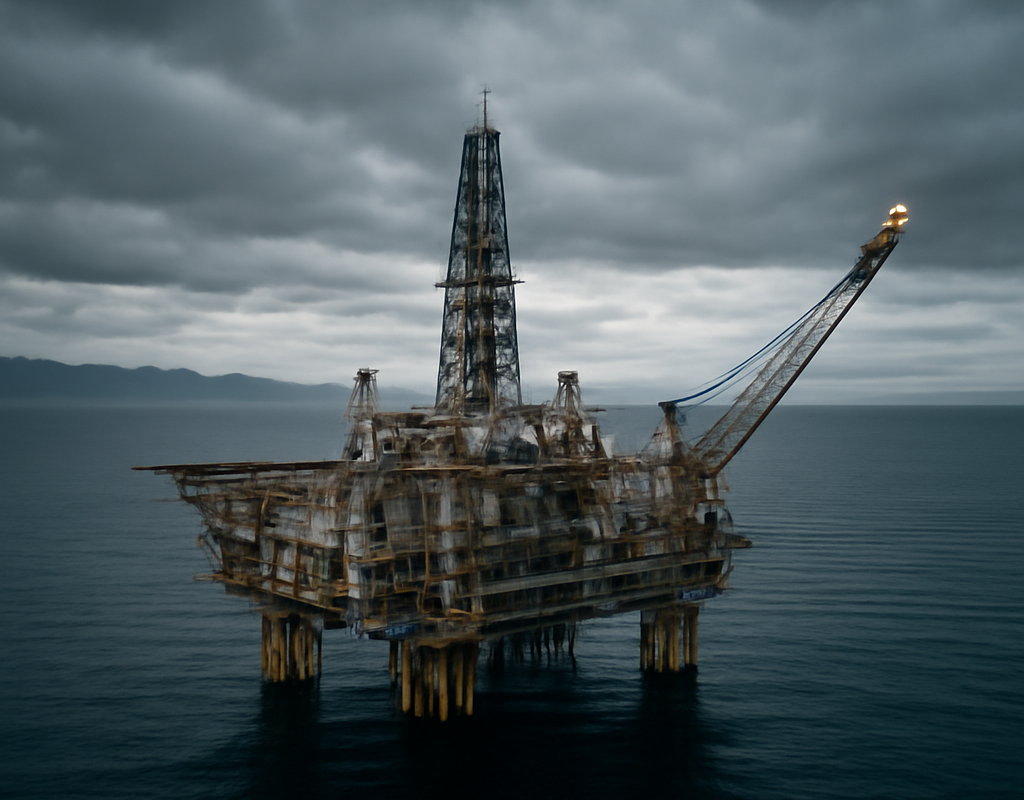
The UK government has approved drilling at the controversial Jackdaw North Sea gas field, reviving a debate over energy security, household costs and climate policy. The decision, announced on 21 October 2026, was welcomed by energy companies but criticised by environmental groups concerned about additional carbon emissions.
Located around 240 kilometres east of Aberdeen, Scotland, Jackdaw is being developed by Shell and its partners. Shell expects the field to produce approximately 6.5% of the UK’s gas output at peak production, although the project is not expected to shield households directly from international energy-price movements.
What the UK government has approved
The approval allows drilling to proceed at Jackdaw, one of several contested oil and gas developments in the North Sea. The government presented the decision as part of a broader effort to strengthen domestic energy security while maintaining its commitment to net zero emissions by 2050.
Prime Minister Andy Burnham said the UK should make responsible use of existing domestic reserves while the country continues its transition towards renewable energy. The government’s position is that oil and gas will remain part of the UK’s energy mix for decades, even as renewable generation expands.
The decision is a national UK policy measure rather than an EU decision. It therefore does not create new EU rules or directly change European Union energy legislation. However, it carries wider relevance for Europe because energy security, gas prices and the pace of decarbonisation remain central issues across the continent.
Why Jackdaw matters for UK energy security
Supporters argue that producing more gas domestically could reduce the UK’s exposure to imported supplies and international disruptions. Energy prices have risen amid heightened geopolitical tensions, increasing pressure on governments to secure reliable fuel supplies.
Shell, one of the project’s co-developers, estimates that Jackdaw could account for about 6.5% of UK gas production at its peak. That figure makes the field significant in national supply terms, but it does not mean the project would determine the price paid by households.
Oil and gas are traded in global markets. As a result, additional UK production may improve supply resilience without automatically lowering electricity or heating bills. Critics say that long-term affordability depends more heavily on global prices, energy efficiency, market regulation and the expansion of lower-cost renewable generation.
The main arguments in favour
- Additional domestic gas production could contribute to the UK’s energy security.
- Domestic supply may reduce reliance on some imports during periods of disruption.
- The project could support activity in the North Sea energy sector.
- The government says gas will remain necessary during the transition to a lower-carbon energy system.
Environmental groups warn of higher emissions
Environmental campaigners strongly opposed the approval. Their central argument is that new fossil-fuel developments risk increasing greenhouse-gas emissions and could divert investment and attention from renewable energy, storage and energy-efficiency measures.
Green Party leader Zack Polanski described the decision as “climate vandalism”. Greenpeace said the approval demonstrated the continuing influence of fossil-fuel interests over UK energy policy. The organisation argued that continued dependence on oil and gas leaves households vulnerable to high prices and international suppliers.
Campaigners also challenge the idea that new North Sea production will materially reduce household bills. Because fuel prices are linked to global markets, they say the project’s effect on consumers could be limited while its climate consequences extend beyond the field itself.
Legal background to North Sea projects
The Jackdaw decision follows a Scottish court ruling last year concerning Jackdaw and Rosebank, another major North Sea oil and gas project. The court found that previous approvals were unlawful because they had not properly accounted for the projects’ indirect carbon emissions.
The government has now approved Jackdaw, but it has not yet decided whether to approve Rosebank. Rosebank is believed to contain the UK’s largest untapped oil reserves, making its future a separate and potentially significant test of the government’s approach to offshore fossil-fuel development.
The earlier court ruling means that the legal treatment of emissions remains an important part of the debate. Project approvals must take account not only of emissions from construction and production but also of the wider consequences associated with burning the extracted fuels.
What the decision means for Europe
The Jackdaw approval is not an EU policy change, but it reflects a wider European tension between immediate energy security and long-term climate targets. Governments across Europe have faced pressure to maintain reliable supplies while reducing dependence on fossil fuels and meeting legally or politically established emissions goals.
The UK is outside the European Union, although its energy market remains connected to wider European markets. Developments in British gas production can therefore attract attention beyond the UK, particularly when regional supply conditions and wholesale prices are under pressure.
For Ireland, the decision is not a direct change to Irish law or EU rules. Its relevance is mainly through regional energy markets and the continuing debate over how European countries can balance security of supply, affordability and climate commitments.
What happens next?
Drilling can now proceed under the approved Jackdaw development, subject to the applicable regulatory and operational requirements. The government’s separate decision on Rosebank will be closely watched by energy companies, environmental organisations and communities concerned about the future of the North Sea.
The wider policy question will remain unresolved: whether new oil and gas projects are compatible with a credible pathway to net zero while also delivering meaningful protection from volatile global energy prices. The Jackdaw decision confirms the UK government’s willingness to support additional domestic gas production, but it does not remove the economic or legal challenges facing future developments.
Conclusion
The UK’s approval of drilling at the Jackdaw North Sea gas field is a significant national energy decision with wider European implications. It may strengthen domestic supply, but it is unlikely on its own to control household energy bills, while environmental groups warn that additional fossil-fuel production could undermine climate goals. The next major test will be the government’s decision on Rosebank and how both projects fit within the UK’s net-zero strategy.