

Standfirst: European Commissioner for International Partnerships Jozef Síkela says the European Union will continue opposing oil and gas drilling in the Arctic. He also warned that proposed reductions in international funding could have serious humanitarian consequences.
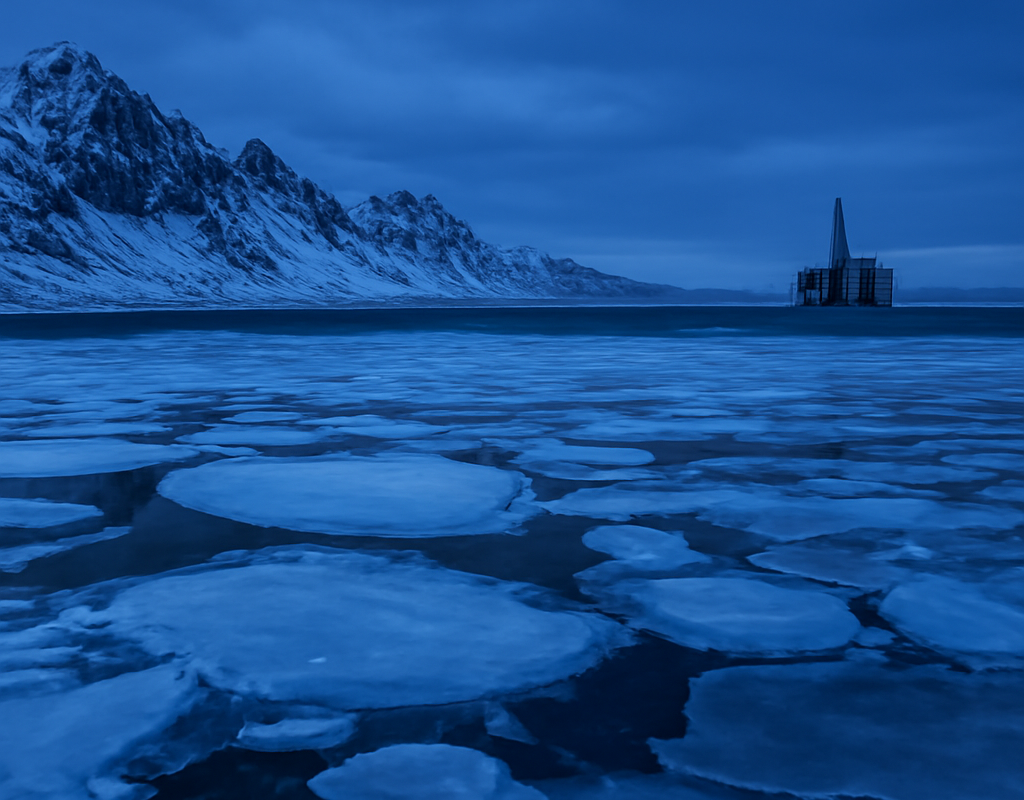
European Commissioner Jozef Síkela has reaffirmed the European Union’s opposition to extracting oil and gas in the Arctic, saying the region’s natural resources should remain underground. His comments come as the United States and Norway pursue a different approach to Arctic energy development.
Síkela also discussed the European Commission’s proposal for the EU’s next long-term budget. He warned that reductions in funding for international partnerships and development assistance could affect vulnerable communities around the world.
What the EU commissioner said about Arctic drilling
Síkela’s position reflects the EU’s wider climate and environmental policy, which places emphasis on reducing dependence on fossil fuels and protecting fragile ecosystems. The Arctic is particularly sensitive to industrial activity because its climate, wildlife and communities can be affected by pollution and changes in sea ice.
The commissioner said the EU would maintain its opposition to drilling for natural resources, including oil and gas, in the Arctic. That position contrasts with policies in the United States and Norway, both of which have supported or considered energy development in the region.
The statement does not itself create a new EU law or impose an immediate ban on Arctic drilling. Instead, it sets out the political position of a European Commission member and signals continuity with the bloc’s existing climate and environmental priorities.
Why the Arctic matters to European policy
Arctic energy projects have consequences beyond the region. The area is linked to global climate trends, biodiversity protection, shipping routes, energy security and relations between Arctic and non-Arctic states.
For the EU, the debate involves several connected issues:
- Climate policy: New fossil-fuel extraction could conflict with efforts to reduce greenhouse-gas emissions.
- Environmental protection: Arctic ecosystems are vulnerable to oil spills, industrial disturbance and warming temperatures.
- Energy security: The EU is seeking to diversify energy supplies while reducing long-term reliance on fossil fuels.
- Geopolitics: Arctic activity involves Russia, Norway, the United States and other countries with strategic interests in the region.
EU position differs from US and Norwegian approach
The comments highlight a policy divide among countries involved in Arctic affairs. Norway remains a major producer of oil and gas and has continued managing petroleum activity on its continental shelf. The United States has also maintained an active debate over energy exploration and development in Arctic areas.
The EU does not control energy policy in non-member countries. However, its position can influence diplomatic discussions, climate negotiations, investment decisions and the rules governing companies operating in the European market.
The Arctic is also relevant to EU foreign policy because environmental cooperation increasingly overlaps with security, trade and strategic competition. The European Commission’s international partnerships portfolio covers cooperation with countries and regions outside the EU, making Síkela’s comments part of a broader diplomatic discussion rather than a standalone domestic energy decision.
Warning over proposed international funding cuts
Síkela also addressed the Commission’s proposal for the EU’s next long-term budget. He cautioned that reductions in international funding could have severe consequences for countries and communities that rely on development assistance.
The EU and its member states are among the world’s largest providers of development assistance. Funding supports areas such as health, education, food security, infrastructure, humanitarian relief and climate adaptation, although the exact allocation depends on the final budget agreed by the EU institutions.
Síkela warned that cuts could ultimately “cost lives”, while describing the possible consequences as “dystopic”. Those remarks represent his assessment of the risks; the budget proposal itself is not yet the final EU budget.
What happens next with the EU budget
The European Union’s long-term budget must pass through the bloc’s institutional process before it can be adopted. The European Commission presents the proposal, while member states in the Council of the European Union and the European Parliament play central roles in negotiating and approving the final framework.
That means the figures and priorities in the Commission’s proposal may change during negotiations. International partnerships and development assistance will compete with other EU priorities, including cohesion funding, agriculture, security, climate action and support for neighbouring countries.
The timing and final content of the next budget will therefore depend on negotiations between the institutions and national governments. Until formal agreement is reached, proposed reductions should not be treated as settled policy.
What the development means for Ireland
Ireland is affected by EU decisions on climate policy, external partnerships and the long-term budget because it is an EU member state. Irish ministers and officials will participate in negotiations on the future budget through the Council of the European Union.
Any final changes to international funding could influence EU-supported programmes involving Irish aid priorities, humanitarian assistance and cooperation with partner countries. However, the source material does not identify a specific Irish funding allocation or a confirmed impact on Ireland.
On Arctic energy, Ireland is not an Arctic state, but Irish policymakers and businesses are affected by EU climate rules, energy security discussions and the wider transition away from fossil fuels.
What to watch next
The main developments to follow are:
- Further negotiations over the EU’s next long-term budget.
- Whether international partnerships and development assistance remain protected in the final agreement.
- Future EU statements on Arctic environmental protection and energy policy.
- Cooperation or disagreement between the EU, Norway and the United States on Arctic activity.
Conclusion
Jozef Síkela’s comments reinforce the EU’s stated opposition to new oil and gas extraction in the Arctic, while highlighting the difficult budget choices facing the bloc. The Arctic position is political rather than a new standalone law, and the budget remains subject to institutional negotiations. The key question for the months ahead is whether the EU can preserve its international climate and development commitments while agreeing its next long-term spending framework.