

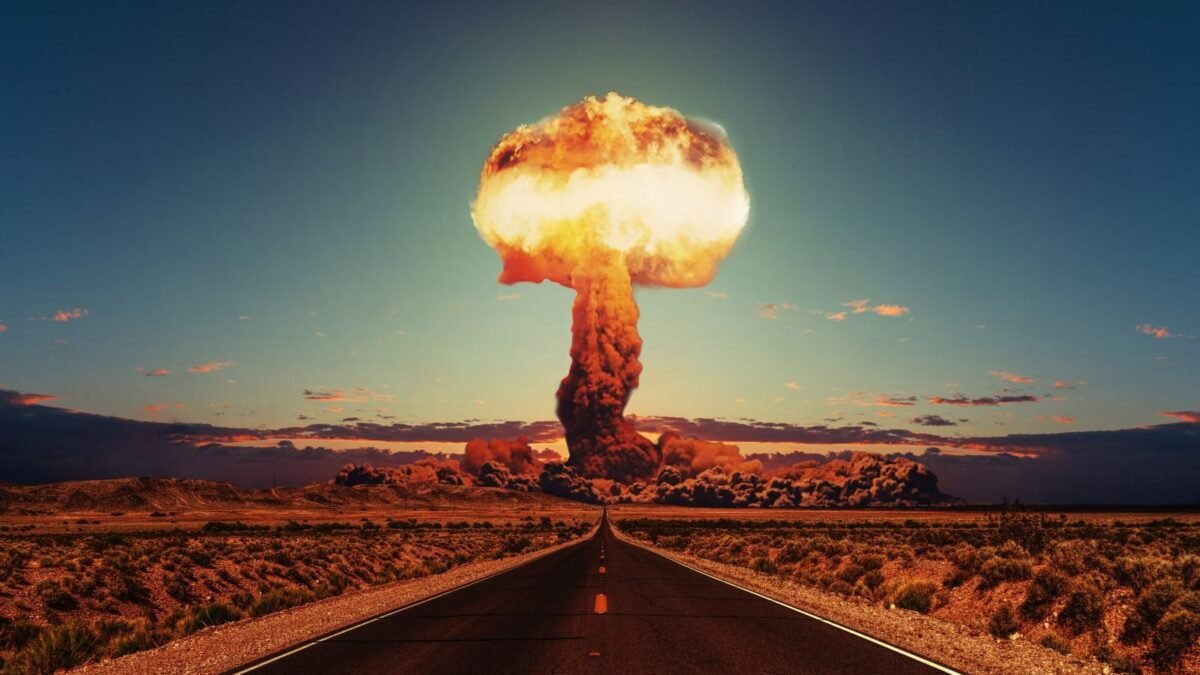
Nuclear testing did far more than reshape military history. Its radioactive fingerprints traveled through the atmosphere, oceans, soil, plants and living bodies, leaving behind clues that scientists can still read today. This is one of the strangest stories in irish entertainment news-style listicle form: a global legacy hidden in honey, coral, baby teeth, ivory and even shark eyes.
Top 10 Unexpected Clues Left Behind by Nuclear Testing
Atmospheric weapons tests during the 1950s and early 1960s released isotopes across the planet. Researchers now use those traces as environmental markers, forensic tools and biological clocks. Unlike a conventional top 10 listicles roundup about travel, films or irish culture and craic, this list reveals how nuclear history remains embedded in the natural world.
10. Antarctic Ice Preserved Pacific Test Fallout
Ice cores from Law Dome in East Antarctica contain a pulse of chlorine-36 associated with major hydrogen-bomb tests at Bikini and Enewetak Atolls. Snowfall trapped the isotope after atmospheric circulation carried it across enormous distances. The layers now help scientists study how substances move between the stratosphere and lower atmosphere.
9. Caribbean Coral Recorded Nuclear Activity
Coral grows in annual layers, much like a natural archive. Researchers found bomb-produced uranium-236 in Caribbean coral, allowing them to track when fallout entered the ocean and how marine currents distributed it. The reef therefore preserves a chemical history of events that occurred far beyond the Caribbean.
8. American Honey Still Contains a Nuclear Signature
Testing of 122 North American honey samples detected cesium-137 in 68. Plants can absorb cesium from soil because it behaves similarly to potassium, after which bees collect nectar from those plants. The quantities were not considered a health concern, but the discovery shows how old fallout can remain active in ecosystems decades later.
Read more: Explore the latest long-form Ireland news, culture and entertainment stories and discover more coverage of the best craic in Ireland.
7. German Wild Boars Carry More Than Chernobyl Fallout
Radioactive wild boars in Bavaria are often associated with the 1986 Chernobyl disaster. However, isotope analysis found that older weapons-test fallout also contributed between 10% and 68% of the contamination in samples studied. The animals’ habit of digging for fungi, including underground truffles, exposes them to cesium stored in forest soils.
6. Bomb-Pulse Dating Can Help Date Heroin
Atmospheric nuclear testing sharply increased carbon-14 levels. Plants absorbed that signal, including opium poppies, and the signature remained in harvested material later processed into heroin or opium. Scientists can use bomb-pulse dating to estimate when the poppies were grown, potentially helping investigators distinguish recently manufactured drugs from older stockpiles.
5. Elephant Ivory Can Reveal When Poaching Occurred
Elephant tusks grow throughout an animal’s life, so the newest material near the base can preserve a carbon-14 record of when it formed. In a study of 231 ivory samples from 14 seizures, about 90% came from elephants killed less than three years before confiscation. The technique challenges claims that seized ivory necessarily came from long-held legal stockpiles.
4. Baby Teeth Recorded Childhood Fallout Exposure
The St. Louis Baby Tooth Survey collected nearly 300,000 teeth between 1958 and 1970. Scientists were tracking strontium-90, which can behave like calcium and become incorporated into developing bones and teeth. The results followed changing fallout levels as atmospheric testing increased and later declined.
Explore more: Visit Media Digest for long-tail Irish media, television and culture coverage, including explainers that answer questions such as what is the craic and what audiences are watching now.
3. Fallout Helps Narrow the Search for Unidentified People
Bomb-pulse carbon dating can help forensic investigators estimate when teeth and other tissues formed. Since teeth develop at predictable stages, their carbon-14 levels may indicate a person’s birth period and help narrow the possible year of death. The technique cannot identify someone by itself, but it can significantly reduce the search window in a cold case.
2. Nuclear Testing Revealed the Longevity of Brain Cells
When cells create new DNA, they incorporate carbon from food. By comparing that carbon with the known bomb-pulse curve, scientists can estimate when cells formed. Research on adult cerebral cortex tissue found that neurons in the occipital cortex were essentially as old as the people they belonged to, suggesting that some brain cells can last a lifetime.
1. A Greenland Shark May Have Lived for Centuries
The bomb pulse helped researchers estimate the age of Greenland sharks, whose slow growth makes conventional ageing difficult. Proteins in the center of the eye lens form early in life and remain largely unchanged. In a study of 28 females, the largest shark was estimated to be about 392 years old, with a substantial uncertainty range. Even the lower estimates indicate an extraordinary lifespan.
Why These Nuclear Clues Still Matter
The legacy of nuclear testing is not limited to abandoned test sites. It can be found in environmental archives, wildlife, food systems, forensic evidence and human biology. From coral layers to shark lenses, these traces provide clocks that help researchers reconstruct the past without relying on written records.
Frequently Asked Questions
What is the bomb pulse?
The bomb pulse is the sharp rise in atmospheric carbon-14 caused by above-ground nuclear testing, followed by a gradual decline after testing was restricted.
Is radioactive fallout in honey dangerous?
The honey study detected very small amounts of cesium-137 and reported that the levels were not a health concern. The significance was the persistence of the isotope in the ecosystem.
Can nuclear fallout really date human remains?
Bomb-pulse dating can help estimate when certain tissues formed and narrow a person’s birth or death period, but it is normally used alongside other forensic evidence.
From Antarctic snow to centuries-old sharks, the top 10 unexpected clues left behind by nuclear testing show that the effects of Cold War explosions did not disappear when the detonations ended. Their fingerprints remain measurable—and, in some cases, remarkably useful.
Article/Image Courtesy: Listverse