

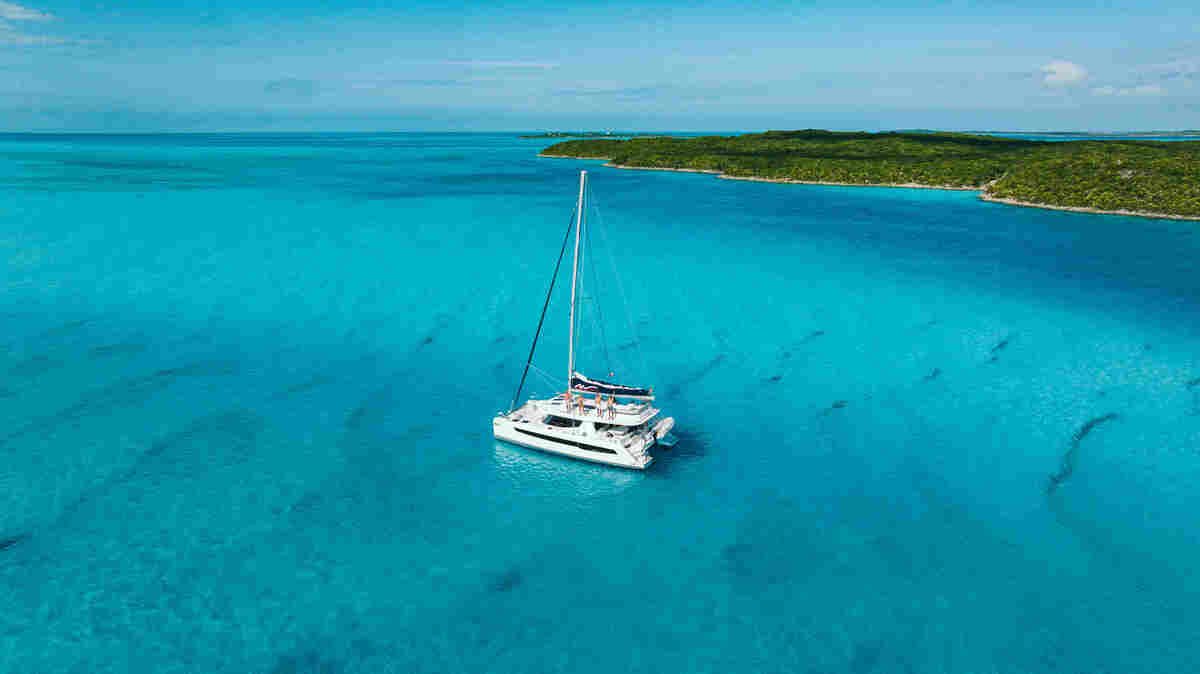
Standfirst: The Moorings is expanding its on-water support operation in the British Virgin Islands with new high-speed boats designed to help technical teams reach charter guests more quickly. The investment is intended to reduce interruptions and improve assistance for both independent sailors and guests on crewed yachts.
The Moorings has introduced a new fleet of high-speed support boats at its British Virgin Islands charter base, strengthening the practical assistance available during Caribbean yacht holidays. The vessels will transport technical specialists to yachts that experience equipment or operational problems away from the marina.
For travellers planning a luxury yacht charter in the BVI, the change is designed to provide faster access to help while they explore the archipelago. It does not alter the charter choices available to guests, but it adds another layer of operational support during a sailing trip.
Faster assistance for yachts across the BVI
The new boats are intended to improve the speed and flexibility of The Moorings’ response when guests need technical assistance at sea. Specialists can use them to travel from the marina to yachts operating elsewhere in the cruising area, rather than relying solely on slower or less suitable support arrangements.
This may be particularly useful when a yacht encounters a technical issue, equipment fault or other operational difficulty after leaving the base. The source information does not specify response times, the number of boats added or the precise technical equipment carried onboard, so travellers should continue to follow the company’s normal support and emergency procedures.
The initiative is focused on reducing avoidable interruptions. A faster response may allow a problem to be assessed and addressed sooner, helping guests return to their planned itinerary where circumstances permit.
Support for self-operated and crewed charters
The Moorings offers several yacht-holiday formats in the British Virgin Islands, including self-operated yachts, power catamarans and professionally crewed vessels. The new support fleet is intended to benefit guests across these options.
Independent sailors
Guests sailing independently have greater control over their route, anchorage choices and daily schedule. That flexibility also means they may need to manage navigation, onboard systems and basic operational decisions themselves.
Access to a mobile technical team can provide reassurance if an issue develops away from the main marina. However, assistance should not be treated as a substitute for pre-departure briefings, safety checks or responsible voyage planning.
Guests on crewed yachts
Travellers choosing a crewed charter already have onboard professionals supporting navigation and day-to-day operations. The upgraded support boats create a stronger connection between those crews and shore-based technical specialists when a problem requires additional expertise.
The practical effect is intended to be a smoother support chain, from the yacht’s crew reporting an issue to specialists reaching the vessel.
Why the British Virgin Islands suit yacht holidays
The British Virgin Islands are well established as a sailing destination because many islands and anchorages are relatively close together, while the region offers sheltered waters, beaches and tropical coastal scenery. Travellers can move between locations without the long open-water passages required in some other cruising areas.
The Moorings’ charter base is located at Wickhams Cay II in Road Town, Tortola. The facility supports yacht preparation, marina services and pre-departure arrangements before guests begin their itineraries.
Guests should confirm the details of their selected charter, including the vessel type, briefing arrangements, cruising permissions and support procedures, before departure. Conditions at sea can change, and the suitability of a route depends on the yacht, the experience of the travellers and the advice provided by the operator.
What the investment means for travellers
The new vessels are part of a wider effort to improve the infrastructure behind yacht charter operations, rather than simply adding another guest-facing feature. The value for travellers is most likely to be felt when a technical issue occurs during a trip.
Before setting out, charter guests should:
- Attend the operator’s pre-departure briefing and understand how to request assistance.
- Check the yacht’s onboard systems and safety equipment before leaving the marina.
- Keep communication equipment available and follow instructions from the shore-based team.
- Report technical problems promptly instead of allowing a minor issue to worsen.
- Follow local cruising guidance and any route limitations provided by The Moorings.
These steps remain important even with faster support available. A response boat can improve access to assistance, but it cannot eliminate weather, navigation or equipment risks.
Wider effect on British Virgin Islands marine tourism
Yacht visitors contribute to the wider tourism economy in the British Virgin Islands. Their spending can support marinas, restaurants, accommodation providers, provisioning services and other businesses connected to marine travel.
Improving operational support may therefore benefit more than the individual charter experience. A dependable service network can help maintain the destination’s appeal for both first-time visitors and experienced sailors, while supporting the infrastructure required for luxury yacht tourism.
The Moorings has operated in the British Virgin Islands for more than 55 years, according to the supplied information. The latest investment builds on that established presence by focusing on the assistance available once guests are away from the base.
What happens next for charter guests
The new high-speed support boats are intended to strengthen The Moorings’ existing technical response across the BVI cruising area. Travellers booking a charter should ask the operator for current information about support coverage, communication procedures and what assistance is included in their specific booking.
The main takeaway is straightforward: the fleet upgrade should make it easier for technical specialists to reach yachts that need help, but guests should still prepare carefully and follow all safety guidance before setting sail. For anyone comparing European holiday options with a Caribbean yacht charter, this development is relevant as a service update rather than a change to entry rules or travel requirements.