

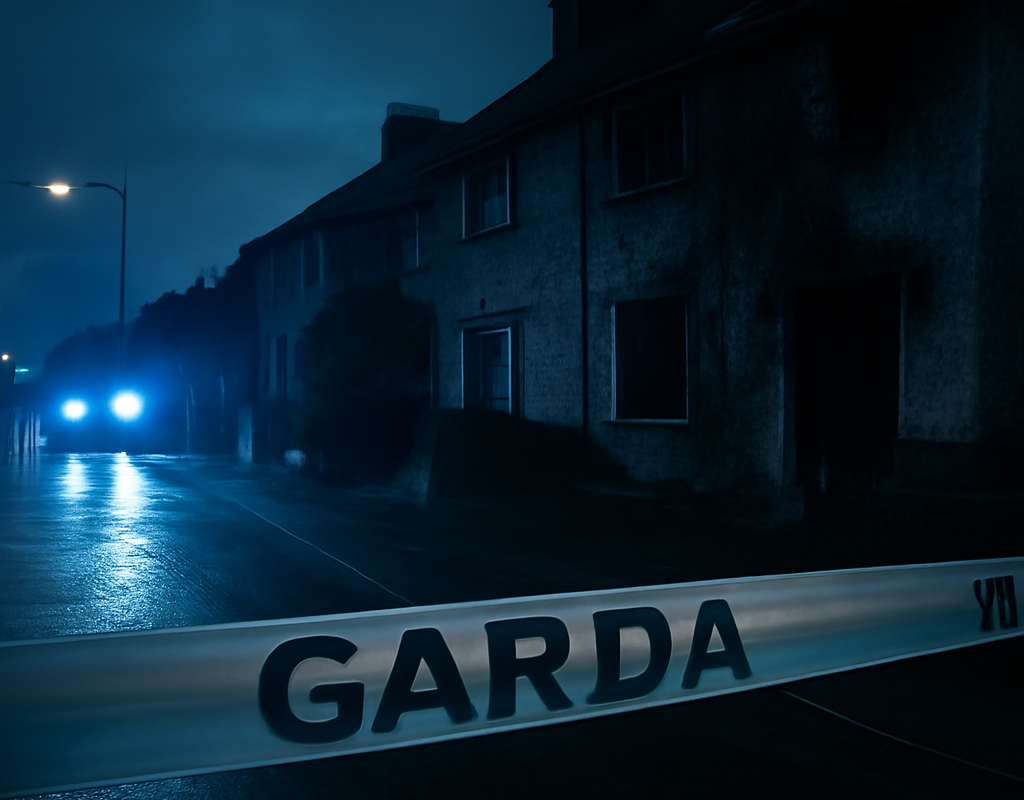
Drug gangs in Ireland have threatened to rape the sisters of people who owe money, Garda Commissioner Justin Kelly has warned. The comments highlight the extreme intimidation faced by families caught in the drugs trade, with victims often too frightened to report threats or cooperate with investigations.
Breaking News: Garda Commissioner describes extreme drug intimidation
Speaking to the Policing and Community Safety Authority in County Cavan on Thursday, Commissioner Kelly said drug-related debt collection could involve severe violence and threats against relatives.
He said some people were pressured into carrying out attacks because they were themselves indebted to criminal gangs. The result, he explained, was a cycle in which intimidation could escalate from threats to petrol bombings, arson and other serious violence.
“We have cases where people threaten to rape someone’s sister because they owe money,” Kelly said, describing the nature of the incidents being handled by Gardaí.
Waterford arson attack brought drug-related intimidation into focus
The Garda Commissioner referred to the fatal arson attack at the English family home in Birchwood, Waterford. Four members of the family were killed in the incident, which investigators believe was linked to an attempt to force payment of another person’s €20,000 drugs debt.
Kelly said further petrol-bomb attacks occurred soon after the Waterford tragedy. He also pointed to a separate petrol-bombing in Edenderry, County Offaly, last December, in which two people, including a child, died.
Charges have been brought in relation to the Waterford attack, while people were also charged over the Edenderry incident. The Waterford investigation is being led by local Gardaí with support from national units.
Key facts
- Garda Commissioner Justin Kelly warned that threats against relatives are being used to collect drug debts.
- The reported threats include sexual violence against victims’ sisters.
- Four people died in the Waterford arson attack referenced by the commissioner.
- Thirty-four inspectors have been assigned across Garda divisions to receive drug-intimidation complaints.
- Victims can seek assistance from Gardaí or the Drive project.
Why victims often remain silent
Drug-related intimidation is difficult to investigate because victims may fear retaliation against themselves, children, siblings or other relatives. Some may also be trapped in debt, threatened with violence or pressured to commit offences on behalf of a gang.
Commissioner Kelly said public concern often rises after high-profile attacks, but information supplied to Gardaí does not always contain enough detail to support a criminal prosecution. Even when charges are secured in individual cases, other victims may still believe that contacting authorities will increase the danger to their families.
He urged people not to face sustained intimidation alone. Any Garda response, he said, could be shaped around the victim’s circumstances and wishes, including a more discreet approach where appropriate.
Garda response to Ireland’s drug intimidation crisis
Thirty-four inspectors have been appointed across Garda divisions to receive complaints involving drug-related intimidation. Their role is intended to make it easier for people to report threats and ensure that cases are assessed by officers with an understanding of the risks involved.
Deputy Commissioner Paul Cleary said the Waterford attack and its aftermath had prompted a national discussion about intimidation linked to illegal drugs. He stressed that victims have options when seeking help and can contact either An Garda Síochána or the Drive project, which supports people affected by drug-related intimidation.
The Gardaí have also indicated through the Waterford investigation that local officers, supported by specialist national units, can make progress quickly when evidence and witness information become available.
What happens next in the investigations?
The Waterford case remains an active criminal investigation. Two people have been charged, while others have been arrested and questioned. Gardaí continue to examine the circumstances surrounding the attack, the alleged debt and any wider criminal network connected to it.
The broader problem is likely to remain a policing and community-safety challenge. Commissioner Kelly said the drugs trade had gained such a hold on some communities that even highly publicised tragedies did not necessarily deter further attacks.
That warning matters beyond the individual investigations. Drug intimidation can affect households that are not directly involved in selling drugs, particularly when gangs attempt to recover debts from relatives or use family members as leverage.
Frequently asked questions about drug-related intimidation
What is drug-related intimidation?
It is the use of threats, violence, property damage or other coercion to collect a drug debt or control someone connected to the drugs trade.
Who can report intimidation?
Victims, relatives, witnesses and people with relevant information can contact An Garda Síochána. A person facing threats should explain the immediate risks and ask what reporting and protection options are available.
Is support available outside the Gardaí?
Yes. Deputy Commissioner Cleary identified the Drive project as another source of help for people affected by drug-related intimidation.
Why are these cases difficult to prosecute?
Victims may be too frightened to make a formal complaint, while witnesses may lack detailed information or fear reprisals. Investigators must build evidence that can withstand the criminal justice process without placing people at unnecessary risk.
Why this warning matters for Ireland
The Garda Commissioner’s comments show how drug crime can spread harm well beyond the person alleged to owe money. Threats against sisters and other relatives demonstrate the way gangs exploit family relationships to enforce debts and silence potential witnesses.
Anyone facing immediate danger should contact emergency services. People experiencing ongoing intimidation should seek advice from Gardaí or an appropriate support service rather than dealing with threats in isolation.
This Breaking News Ireland story remains developing, with investigations continuing in Waterford and Offaly. The central message from Gardaí is clear: victims have options, and reporting intimidation can help authorities disrupt the violence surrounding the drugs trade.