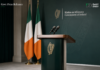
The latest statement on gov.ie marks a deeply significant moment in Ireland’s reckoning with institutional failure. In a formal address to Dáil Éireann, Tánaiste and Minister for Finance Simon Harris delivered an apology to survivors following the publication of the South East Commission of Investigation report, acknowledging the State’s grave failings in the Bill Kenneally abuse case.
The speech, published by the Department of Finance, followed earlier remarks by the Taoiseach and the Minister for Justice. Harris said the apology had only come about because survivors persisted for years in pursuit of truth and accountability, despite trauma, silence and repeated failures by institutions that should have protected them.
gov.ie statement outlines failures of State systems
The gov.ie statement reflects the findings of a detailed commission report into how abuse continued over many years despite warning signs. Harris paid tribute to the survivors’ courage and to the work of the commission, particularly Judge Michael White, who brought the difficult process to a conclusion.
He described the report as a stark assessment of how children were failed by systems across church, state and society. According to the findings referenced in the speech, repeated opportunities to intervene were missed, allowing abuse to continue and justice to be delayed for decades.
- Warning signs were not acted upon
- Complaints were mishandled or not properly investigated
- Children were left exposed to further abuse
- Institutional responses fell far below what was required
The speech also pointed to the role of frontline bodies, including An Garda Síochána and historic health boards, in a system that was not equipped or willing enough to respond to child sexual abuse.
1985 and 1987 complaints remain central to the report
A key part of the gov.ie address focused on missed intervention points in the 1980s. Harris recalled one of the most troubling incidents detailed by the commission: a 14-year-old boy reporting abuse at Waterford Garda Station in 1985, only for no proper investigative action to follow.
The report further found that by late 1987, serious information was already known by people in positions of responsibility. Yet the response remained wholly inadequate. Instead of decisive action, the abuser was reportedly warned and referred for treatment, a decision survivors believe emboldened him.
Harris said these were not simply errors explained by the standards of the time, but examples of clear and serious dereliction of duty.
Read more
Ireland breaking political news and government accountability updates
Latest Irish public affairs coverage and state policy analysis
Survivors’ testimony changed the national conversation
The gov.ie publication makes clear that the truth emerged because survivors refused to stop speaking out. Harris recognised the role of Jason Clancy, whose formal complaint in 2012 helped finally bring the case to public and legal focus.
The speech referenced evidence showing how widespread the abuse was, including a soccer team photograph from Waterford in which six of 13 boys were later identified as victims. That example underscored how prolific the abuse had become while institutions failed to act.
Harris also acknowledged the long-term consequences described in victim impact statements, including:
- Depression and trauma
- Addiction and dependency
- Damaged family relationships
- Interrupted education and life opportunities
The broader context is important for readers following Irish public policy, child protection reform, Justice, Health, and Social Protection issues across the State.
Explore more
In-depth Ireland current affairs features and long-form analysis
Top Irish news stories on public institutions, law and society
What the gov.ie apology means now
The gov.ie apology is both symbolic and consequential. It places survivors at the centre of the national record and accepts that institutions, not victims, bear responsibility for the failures that allowed abuse to continue. It also reinforces the need for vigilance across public bodies, from the Citizens Information Board ecosystem to child welfare agencies such as Tusla, as Ireland continues to strengthen accountability.
In closing, Harris said the State was truly sorry for the suffering endured and for the years in which the abuser was not brought to justice. The lasting takeaway from this gov.ie statement is clear: survivors forced Ireland to confront painful truths, and their courage now shapes a more honest public memory and a stronger duty to protect children.
Article/Image Courtesy: gov.ie