

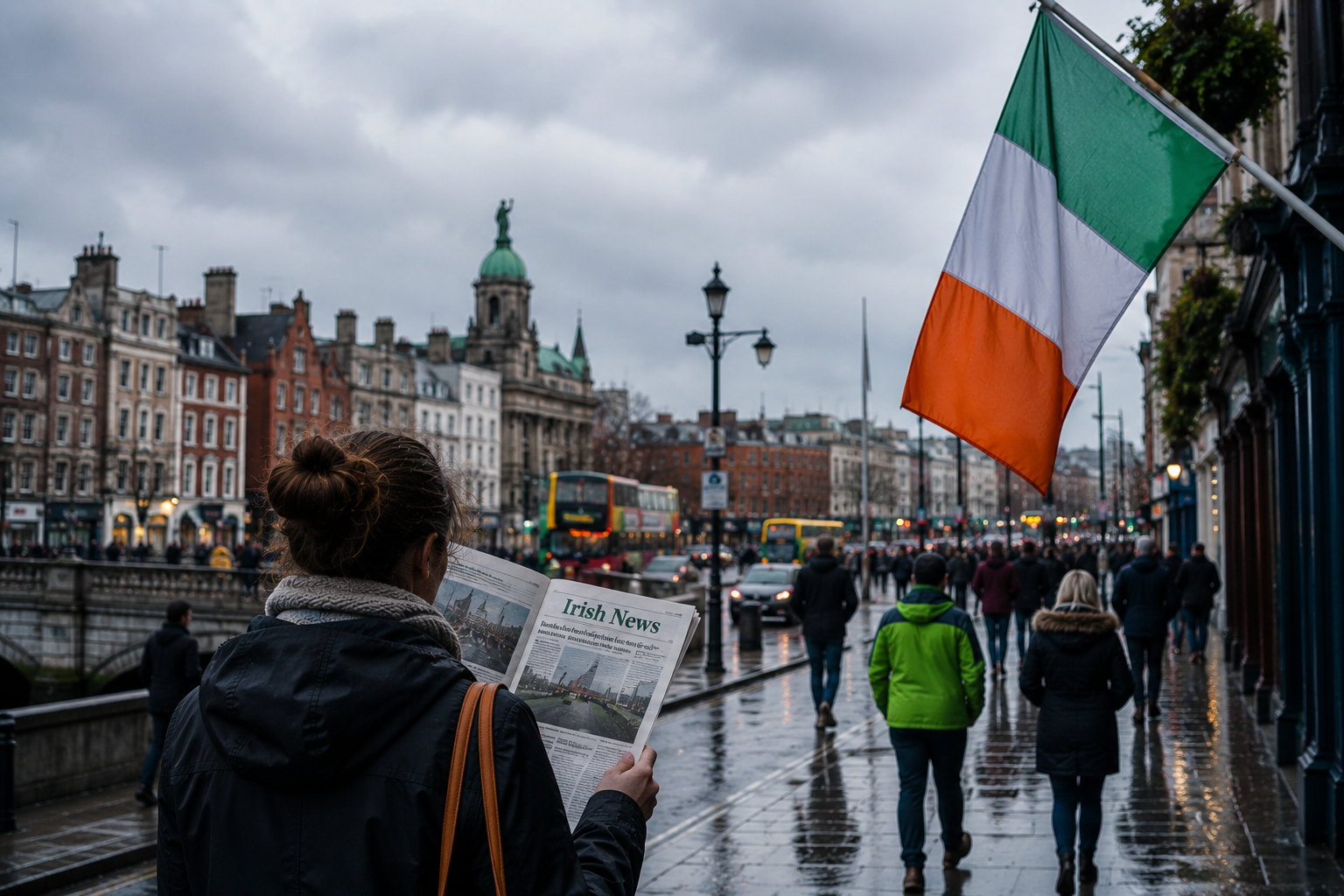
Understanding the Change: What to Expect
Tonight, as the clock approaches 2 AM, people across Ireland will turn their clocks back by one hour, marking the transition to winter time. This annual ritual not only offers an extra hour of sleep but also signals the impending longer nights that characterize the colder months. Expect darkness to envelop much of the country by 5 PM, a noticeable shift from the brighter evenings experienced during the summer months.
Why Do We Change Clocks?
The practice of adjusting clocks has its roots in various historical and practical considerations. Primarily, the change is designed to make better use of daylight during the shorter days of winter. By falling back one hour, the sun will rise earlier in the morning, providing more natural light for early risers and morning commuters.
luxury lifestyle news and travel ideas
Benefits of the Time Change
- Extra Hour of Sleep: Many people look forward to this annual time shift as it allows for an additional hour of rest.
- Increased Daylight in the Morning: The mornings will be brighter, which can help with mood and productivity.
- Energy Savings: By aligning waking hours with daylight, there can be potential savings on energy costs.
The Impact of Earlier Darkness
With this time change, one of the most immediate effects will be the earlier onset of darkness in the evening. This shift can influence daily routines, leisure activities, and even mental health for some individuals.
Adapting to the Change
As evenings grow darker, it’s essential for individuals to adjust their schedules accordingly. Here are some tips on how to cope with the shorter days:
latest Ireland breaking news updates
- Consider using bright indoor lighting to counteract feelings of gloom.
- Engage in outdoor activities during daylight hours to maximize exposure to natural light.
- Maintain a consistent sleep schedule to help your body adapt to the time change.
Historical Context: The Origins of Daylight Saving Time
The concept of daylight saving time was first proposed by Benjamin Franklin in 1784, but it wasn’t widely adopted until the 20th century. In Ireland, the practice has been in place since the early 20th century, with various adjustments made over the decades. The current system helps harmonize timekeeping with other European countries, facilitating travel and business operations.
What Lies Ahead: Future Considerations
As the clock changes tonight, discussions about the relevance of daylight saving time continue. Some advocate for abolishing the practice altogether, arguing that the disruption to sleep patterns and daily routines can outweigh the benefits. Others maintain that the tradition serves a beneficial purpose, particularly in maximizing daylight during the winter months.
media news and digital publishing insights
Public Opinion and Policy
Public opinion on daylight saving time varies, with some citizens expressing a desire to remain on permanent summer time, while others prefer the current seasonal changes. Policymakers in the EU have also debated potential reforms, and it remains to be seen if any changes will be implemented in the coming years.
Final Thoughts
As Ireland prepares to turn back the clocks tonight, residents can take comfort in the extra hour of sleep that awaits them. However, it’s important to be mindful of the changes in daylight and how they may affect daily life. Embracing the transition can help make the winter months more enjoyable and manageable.
Key Takeaways
- Clocks will be set back one hour tonight, leading to earlier darkness.
- This transition provides an extra hour of sleep for many.
- Adjusting to the time change can require some lifestyle modifications.
Article Tags: Ireland clocks back, winter time, daylight saving time, extra hour of sleep, earlier darkness