

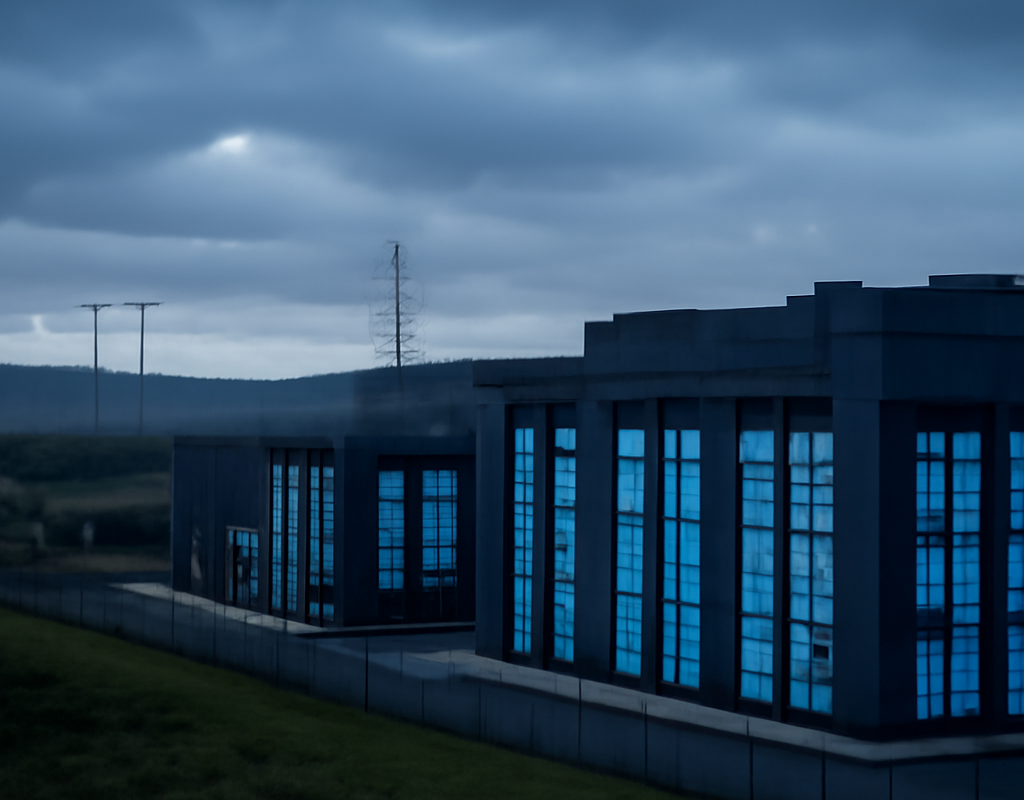
Sally Rooney has entered Ireland’s growing debate over data centres, bringing renewed attention to the environmental, economic and social questions surrounding the sector. Her intervention comes as Ireland continues to attract major technology infrastructure projects while facing pressure on energy supply, housing and climate targets.
Why Sally Rooney’s data-centre comments matter
The novelist’s remarks have added a high-profile cultural voice to an issue more often discussed by regulators, energy experts and technology companies. Data centres support cloud computing, online services, artificial intelligence and digital business, but they also require substantial electricity and cooling resources.
That tension has made data centres a major issue in Irish public life. Supporters point to investment, employment and Ireland’s position as a European technology hub. Critics question whether new facilities can be accommodated without putting additional strain on the electricity grid or making climate goals harder to achieve.
What is the data-centre debate in Ireland about?
At its core, the debate concerns how Ireland should manage limited infrastructure while continuing to develop its digital economy. Large facilities can consume significant amounts of power, particularly as demand grows for cloud storage, streaming, machine learning and artificial intelligence.
The discussion also involves the location of new projects, their connection to the national grid, water use, emissions and the balance between private investment and public infrastructure. These questions affect more than technology policy: they are linked to planning, energy security, regional development and Ireland’s environmental commitments.
- Energy demand: New facilities need dependable electricity around the clock.
- Grid capacity: Connections must be assessed alongside demand from homes, businesses and transport.
- Climate policy: The source of electricity affects the sector’s overall environmental impact.
- Planning: Projects must comply with planning and environmental requirements.
- Public interest: Communities are asking what benefits and costs will remain locally.
Read More
Follow further Ireland news coverage on energy, technology, public services and national policy.
Why data centres have become a national issue
Ireland became an important European base for technology companies partly because of its skilled workforce, international business links and established digital infrastructure. Dublin and surrounding areas have attracted a particularly large concentration of data-centre development.
That concentration has increased scrutiny. When demand rises in one region, the electricity system must be able to serve data centres while maintaining reliable supply for households and other industries. The issue became more prominent as Ireland worked to expand renewable generation and reduce greenhouse-gas emissions.
Data centres can also play a role in the wider economy. They support technology services and can create construction, engineering and operational jobs. However, the number of long-term jobs associated with an individual facility may be smaller than the scale of its investment, which has led to questions about how benefits should be measured.
Energy, climate and Ireland’s digital economy
Ireland’s energy transition is central to the conversation. More wind and other renewable sources can help reduce the carbon intensity of electricity, but variable generation also creates challenges for balancing supply and demand. Grid upgrades, storage, interconnection and efficient use of power are all relevant to future planning.
The growth of artificial intelligence has added another layer. AI services can require intensive computing capacity, increasing demand for specialist infrastructure. That does not automatically determine whether a particular project should proceed, but it makes long-term planning more important.
For policymakers, the question is not simply whether data centres are valuable. It is whether development can happen at a pace and scale compatible with energy security, environmental law and the needs of communities.
What happens next?
The debate is likely to continue through planning decisions, energy policy and public consultation. Each proposed facility must be considered on its own merits, including its grid connection, efficiency measures, location and expected contribution to the local and national economy.
Readers should also expect the issue to remain connected to several other areas of Ireland’s public policy:
- National electricity and grid investment
- Renewable-energy expansion
- Climate targets and emissions reduction
- Planning rules for large infrastructure
- Technology investment and regional development
Rooney’s comments are significant because they reflect a wider concern about the direction of Ireland’s development. The discussion is no longer confined to specialist energy circles; it now reaches into culture, politics and everyday questions about what kind of economy the country wants to build.
Frequently asked questions
Why do data centres use so much electricity?
They operate large numbers of servers continuously. Electricity is needed both to run the computing equipment and to cool it safely.
Are data centres important to Ireland’s economy?
They form part of Ireland’s technology infrastructure and support digital services, investment and related construction and engineering activity. Their economic value is weighed against infrastructure and environmental costs.
Why are data centres controversial?
Concern centres on electricity demand, grid capacity, emissions, planning and whether local and national benefits justify the resources required.
Does Sally Rooney’s intervention change government policy?
No immediate policy change follows from a public comment. Its importance lies in adding visibility to an existing national debate that involves government departments, regulators, companies and communities.
The wider significance for Ireland
Ireland’s data-centre question is ultimately about managing competing priorities. The country wants innovation, investment and reliable digital services, while also needing affordable energy, resilient infrastructure and progress on climate commitments.
Breaking News coverage of Sally Rooney’s intervention highlights a debate that will continue well beyond one statement: how Ireland can remain a technology leader without allowing digital growth to outpace the energy and environmental systems that support it. The key takeaway for readers is that future data-centre decisions will affect not only the technology sector, but also national planning, electricity policy and Ireland’s climate strategy.