

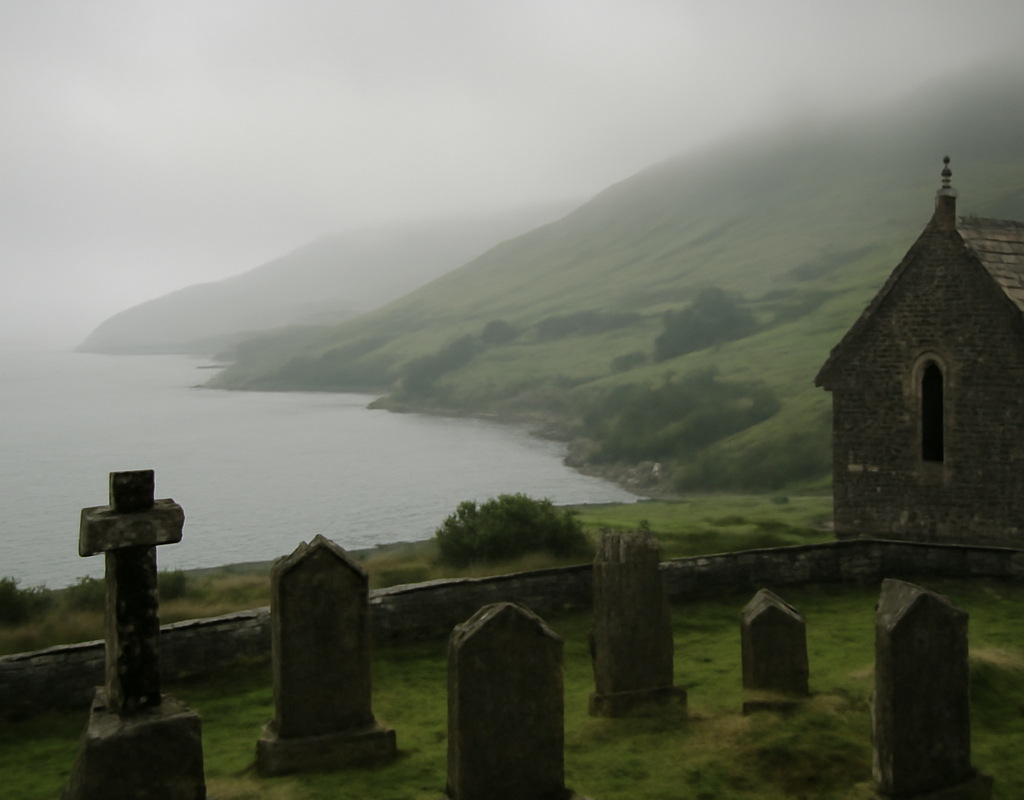
Campaigners are seeking permission to move Roger Casement’s remains from Glasnevin Cemetery in Dublin to a site overlooking Murlough Bay in Co Antrim, fulfilling a wish he expressed shortly before his execution. The proposal places one of Ireland’s most historically significant burials at the centre of a new debate about memory, heritage and the legacy of 1916.
Breaking News: What is being proposed?
The Roger Casement Commemoration and Reinterment Association has applied for an exhumation licence. If permission is granted, Casement would be reburied on consecrated ground in an old churchyard overlooking Murlough Bay, close to the landscape he identified as his preferred final resting place.
The application is not an automatic approval. Any decision would involve the relevant authorities and, because of Casement’s national and international importance, could ultimately require consideration at Government level.
Why campaigners want the remains moved
Roger Casement wrote to his cousin Elizabeth Bannister from Pentonville Prison in July 1916, after losing his appeal against his death sentence. In the letter, he asked that his body not remain in England and described the green hills near Murlough Bay and the Moyle as the place where he wished to be buried.
Campaigners say the proposed reinterment is intended to honour that clear dying wish. Alan Daly, chairman of the association, said the group believes the request should now be considered in light of changing political and social circumstances on the island.
The proposed location has already been identified. It is consecrated ground in a former churchyard overlooking Murlough Bay, providing a direct connection with the landscape Casement named in his final correspondence.
- Casement’s remains are currently buried at Glasnevin Cemetery in Dublin.
- He was executed at Pentonville Prison in August 1916.
- His body was returned to Ireland in 1965.
- Campaigners have applied for an exhumation licence.
- The proposed new burial site overlooks Murlough Bay in Co Antrim.
Roger Casement’s journey from Pentonville to Glasnevin
Casement was hanged for treason in Pentonville Prison in August 1916 following his involvement in the Easter Rising and efforts connected with Germany during the First World War. His case remained deeply controversial, with some commentators in Britain and unionism continuing to regard him as a traitor.
For decades, supporters campaigned for his remains to be returned to Ireland. That eventually happened in 1965, during a period of improved relations between Taoiseach Seán Lemass and British prime minister Harold Wilson.
The repatriation was conducted with such secrecy that the public learned of it only when the remains arrived in Dublin on February 23rd, 1965. Casement was then given a State funeral, with large crowds lining the route to Glasnevin Cemetery.
Éamon de Valera, a veteran of the 1916 Rising and then president, delivered the graveside oration. He described Casement’s return as the end of “long years of waiting” and praised his courage and international humanitarian work.
Why Casement was buried in Dublin
Casement’s burial in Glasnevin reflected the political realities of 1965. Although Ireland and Britain had reached agreement on repatriation, the decision to return him to Northern Ireland was considered too sensitive amid the volatile political situation of the time.
Glasnevin subsequently became one of the best-known sites associated with Casement. His grave attracts visitors interested in Irish history, the revolutionary period and the wider story of anti-colonial activism.
The current campaign argues that circumstances have changed significantly since 1965. It maintains that a reinterment in Co Antrim would recognise Casement’s personal wishes without diminishing the importance of Glasnevin’s role in the history of his return.
Explore more Irish history, public affairs and Northern Ireland coverage on DailyDigest.
What happens next?
The application for an exhumation licence must be assessed before any physical move can take place. Dublin City Council, the Glasnevin Trust and the Government have been contacted for comment on the proposal.
Several issues would need to be addressed, including the legal authorisation for exhumation, arrangements for reburial and the preservation of the historical significance of both sites. Casement’s grave at Glasnevin is a public memorial as well as a burial place, so any decision would have implications for visitors and national heritage planning.
The campaign group remains confident that the application can succeed, but no final decision has been announced. Until the relevant authorities respond, Casement’s remains will continue to rest at Glasnevin.
Frequently asked questions
Who was Roger Casement?
Roger Casement was an Irish nationalist, diplomat and campaigner against abuses in colonial territories. He was executed for treason in 1916 after his involvement in the Easter Rising and related wartime activities.
Where is Roger Casement buried now?
His remains are buried at Glasnevin Cemetery in Dublin. They were returned from Britain in 1965 and he was given a State funeral.
Where could he be reburied?
The proposed site is consecrated ground in an old churchyard overlooking Murlough Bay in Co Antrim, near the landscape Casement named in his final letter.
Has permission been granted?
Not at the time of publication. Campaigners have applied for an exhumation licence, and the proposal remains subject to official consideration.
Conclusion
The campaign to return Roger Casement’s remains to Co Antrim links a century-old historical figure with a very personal final request. While Glasnevin remains central to the story of his repatriation and public memory, supporters believe the time has come to honour the place he chose himself. The next step rests with the authorities considering the exhumation application, making this a developing story in Ireland News and Northern Ireland News.