

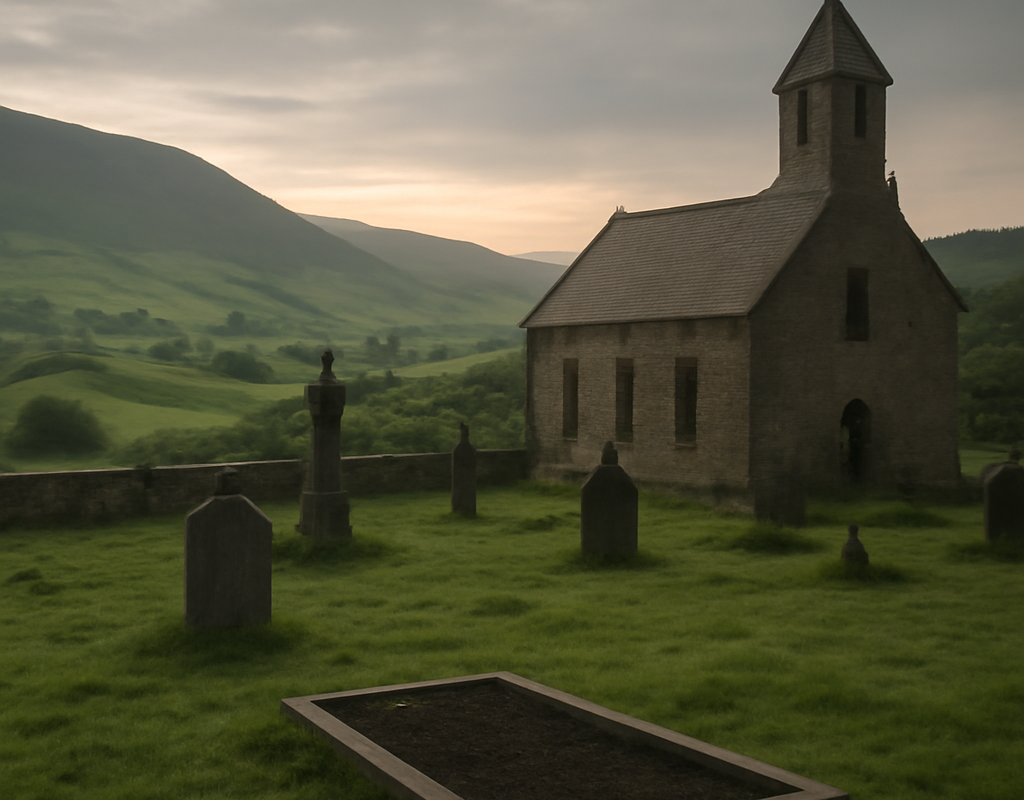
Campaigners are calling for Roger Casement’s remains to be returned to Co Antrim, where they say he wished to be buried. The renewed appeal has reopened a long-running question about the final resting place of one of Ireland’s most significant historical figures.
Why campaigners want Roger Casement’s remains moved
Roger Casement was born in Dublin and had strong family and personal connections to Co Antrim. Campaigners seeking the return of his remains say his wishes should be respected and that burial in the county would better reflect those links.
Casement’s remains are currently interred in Glasnevin Cemetery in Dublin. They were returned to Ireland in 1965, almost five decades after his execution in London.
Roger Casement’s execution and repatriation
Casement was hanged for treason at Pentonville Prison in August 1916. His execution followed his conviction for attempting to secure German support for an Irish rising during the First World War.
Before entering diplomatic service for the British government, Casement had gained international recognition for exposing abuses in the Congo and the Putumayo region of South America. His human rights investigations brought him public attention and, later, a knighthood.
His opposition to British rule in Ireland changed his public standing. Casement was arrested after landing in Banna Strand, Co Kerry, in April 1916, shortly before the Easter Rising. His trial and execution became part of the wider political legacy of the 1916 period.
A decades-long campaign
The campaign to bring Casement’s remains back to Ireland continued for many years. The repatriation was handled so discreetly that the public did not learn about it until the remains arrived in Dublin on February 23rd, 1965.
That secrecy reflected the political sensitivity surrounding Casement’s memory at the time. His return allowed a state funeral and public commemoration, but it did not settle the question of where he should ultimately be buried.
- Roger Casement was hanged at Pentonville Prison in August 1916.
- His remains were returned to Ireland in 1965.
- He was buried at Glasnevin Cemetery in Dublin.
- Campaigners now want his remains returned to Co Antrim.
Why the issue remains significant in Ireland
The proposal touches on several enduring themes in Irish history: national identity, political memory, family connections and the treatment of historical figures whose legacies remain contested.
Casement is remembered both for his work documenting colonial abuses and for his role in the movement for Irish independence. His diaries, sexuality, trial and execution have also shaped debates about how his life should be understood and commemorated.
For supporters of the campaign, the location of his grave is not simply a matter of geography. They view Co Antrim as the place most closely associated with his stated burial wishes and family heritage. Any change, however, would involve consultation with relatives, cemetery authorities and relevant public bodies.
What happens next?
No confirmed decision to move Casement’s remains has been announced in the information available. The campaigners’ appeal is therefore at the stage of seeking public and official consideration.
A decision would likely require:
- Evidence concerning Casement’s stated wishes;
- Engagement with descendants and other representatives;
- Agreement from cemetery and state authorities;
- Consideration of the historical and cultural significance of Glasnevin Cemetery.
The debate may also prompt renewed discussion about how Ireland commemorates figures connected with the revolutionary period and whether burial places should reflect personal wishes, national ceremonies or established historical practice.
Frequently asked questions
Who was Roger Casement?
Roger Casement was an Irish-born diplomat and human rights investigator who later became involved in the campaign for Irish independence.
When was Roger Casement executed?
He was hanged for treason at Pentonville Prison in August 1916.
Where are his remains now?
His remains are buried at Glasnevin Cemetery in Dublin. They were returned to Ireland in 1965.
Why do campaigners want his remains moved?
Campaigners say Casement wished to be buried in Co Antrim and that returning him there would honour his personal connection to the county.
The wider historical legacy
Roger Casement’s story continues to attract attention because it connects Ireland’s diplomatic history, colonial record and struggle for independence. The call to return his remains to Co Antrim adds a new dimension to a commemoration debate that has lasted for generations.
Whether the campaign leads to a change in burial location remains uncertain. For now, it has placed Casement’s wishes and the meaning of his final resting place back into Ireland’s headlines.
The key takeaway: campaigners are seeking the return of Roger Casement’s remains from Glasnevin Cemetery to Co Antrim, arguing that it would honour his wishes and his enduring connection to the county.