

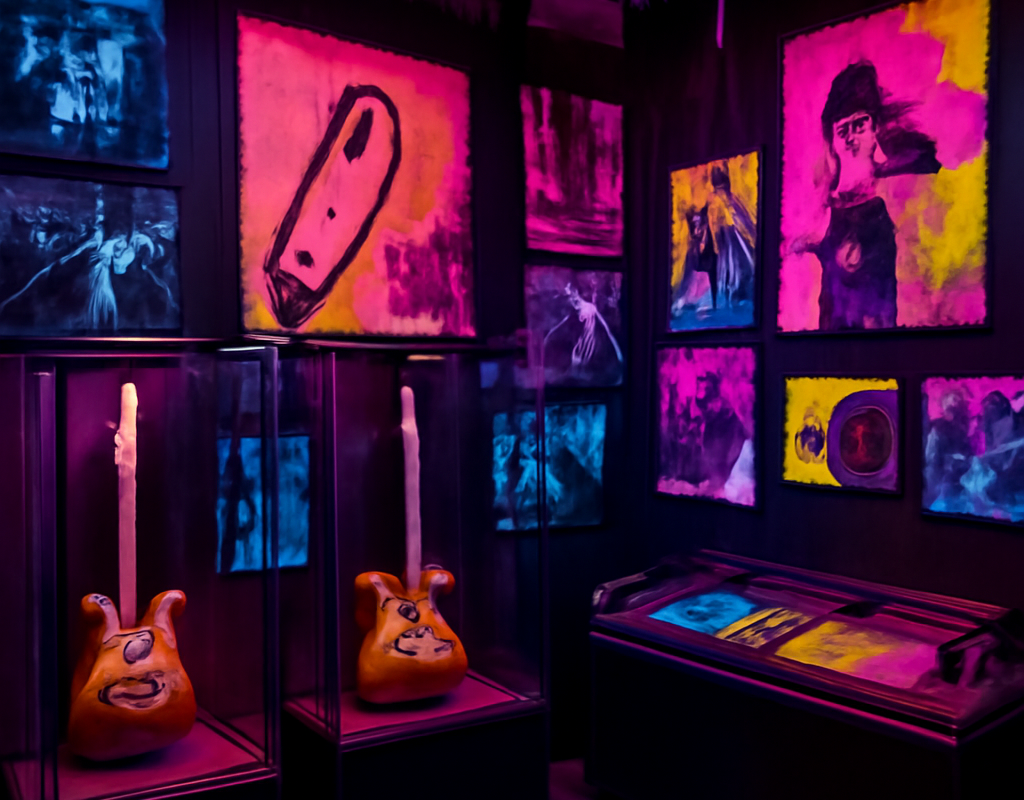
A new London exhibition is putting women back at the centre of punk history, challenging the familiar story that focuses mainly on male-fronted bands. Up Yours! God Save The Queens opens at the Museum of Youth Culture on 23 October and marks 50 years of “She Punk” with archival material, photography and contemporary artworks.
The exhibition arrives as the punk movement’s origins are being revisited. While the Ramones’ 1976 debut is often treated as a defining starting point, the genre developed through a much wider network of artists, venues and ideas. Female musicians were central to that transformation, using music, fashion and performance to confront sexism, consumerism and social expectations.
A different account of punk history
Curated by Lauren Estelle Jones, Celeste Bell and Vivien Goldman, the exhibition focuses on women who helped shape punk culture in the 1970s. Its title evokes the confrontational spirit of the movement while pointing to a history that has often been overshadowed by better-known male bands.
Artists including Patti Smith, Debbie Harry, Poly Styrene, Ari Up, Viv Albertine and the members of The Raincoats created distinctive approaches to punk. Their work ranged from stripped-back rock and spoken-word experimentation to new wave, reggae, dub and deliberately abrasive noise.
The exhibition will bring together rare archival objects, previously unseen photography and contemporary art. It runs at London’s Museum of Youth Culture from 23 October until 22 November.
Five essential albums from women in punk
The exhibition provides an opportunity to revisit several landmark records. These albums are not a complete history of female punk, but each demonstrates how women expanded the genre’s sound and political possibilities.
Patti Smith — Horses (1975)
Released before punk had fully acquired its name, Patti Smith’s debut connected poetry, underground art and raw rock music. Smith’s performances at New York’s CBGB helped establish her as a major figure in the city’s emerging scene.
Horses combines literary ambition with a spare, forceful musical style. Tracks such as “Free Money”, “Break It Up” and Smith’s version of “Gloria” demonstrate her ability to move between poetic imagery and direct rock energy. The extended “Land” further established the album as an unusually ambitious statement of artistic independence.
Blondie — Blondie (1976)
Debbie Harry and Blondie brought a different sensibility to New York’s punk environment. Their first album retained the energy of the CBGB scene while incorporating pop instincts and the foundations of the band’s later new wave sound.
The opening track, “X Offender”, immediately signals the group’s sharp, provocative style. Blondie would later achieve broader commercial success, but the debut retains the DIY character and rebellious attitude associated with early punk.
X-Ray Spex — Germfree Adolescents (1978)
Led by Poly Styrene, X-Ray Spex confronted consumer culture, identity and conventional ideas of female performance. Styrene’s braces, brightly coloured clothing and unconventional stage presence challenged expectations about how a punk frontwoman should look and sound.
Germfree Adolescents is notable for its anti-consumerist themes and urgent delivery. The song “Oh Bondage Up Yours!” became a defining statement of British punk, while tracks such as “Art-I-Ficial” captured Styrene’s refusal to conform.
The Slits — Cut (1979)
The Slits’ debut blended punk with dub, reggae and art-pop influences. That mixture gave the album a loose, unpredictable quality and helped demonstrate that punk did not need to follow a single musical formula.
“Typical Girls” challenged stereotypes about women, while “Instant Hit” expressed an assertive spirit of self-determination. The album’s humour and refusal to sound polished became part of its power, influencing later feminist and alternative music movements.
The Raincoats — The Raincoats (1979)
The Raincoats’ debut embraced dissonance, unusual arrangements and an intentionally unpolished performance style. Ana da Silva and Gina Birch’s vocals, Vicky Aspinall’s violin and Palmolive’s drumming helped create a sound that was unconventional but highly influential.
The album includes a distinctive version of “Lola”, but its importance extends beyond that cover. The band’s music addressed misogyny and wider social pressures while embodying punk’s belief that creativity did not require technical perfection or approval from the establishment.
Why the exhibition matters
The story of punk is often reduced to a few famous bands, visual symbols and a narrow timeline. That approach overlooks the women who helped define its political outlook, sound and visual language.
Women in punk challenged the music industry and social conventions in several ways:
- They rejected expectations about appearance, behaviour and vocal style.
- They addressed sexism, consumerism and identity in their lyrics.
- They expanded punk through reggae, dub, pop, poetry and experimental performance.
- They created a path for later artists, including riot grrrl and other feminist punk movements.
By combining historical material with contemporary artwork, Up Yours! God Save The Queens also connects the original punk era with its continuing influence. The exhibition presents punk not simply as a musical genre, but as a culture of artistic freedom, dissent and self-definition.
What visitors need to know
- Exhibition: Up Yours! God Save The Queens
- Venue: Museum of Youth Culture, London
- Opening date: 23 October 2026
- Closing date: 22 November 2026
- Focus: Women’s contribution to punk culture and the legacy of “She Punk”
Conclusion
The London exhibition offers a timely reminder that punk’s history cannot be told through its most famous male bands alone. From Horses and Germfree Adolescents to Cut and The Raincoats, women reshaped the movement’s sound, politics and possibilities. For anyone interested in European culture, music history or the continuing influence of punk, Up Yours! God Save The Queens provides a focused look at the artists who made the revolution louder and more expansive.