




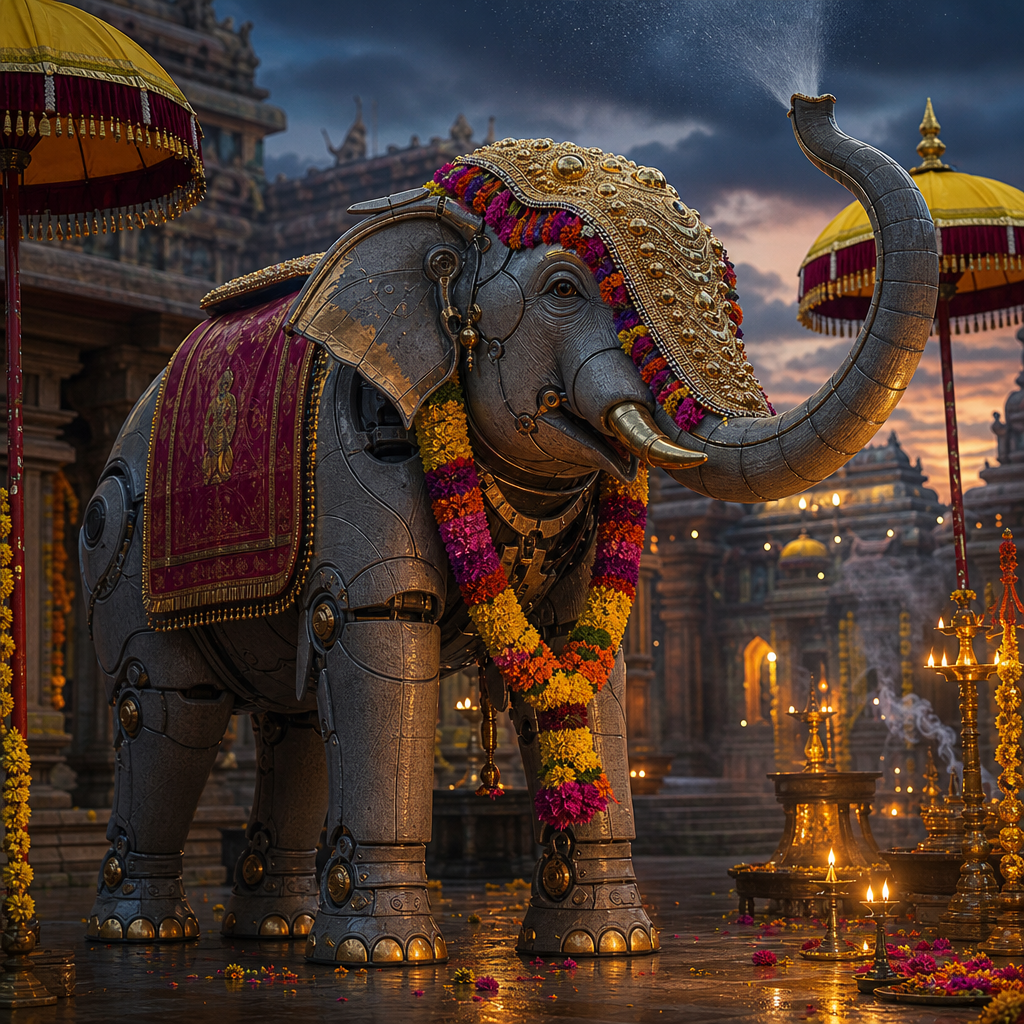
In a story gaining attention well beyond Asia, Ireland breaking news readers following unusual global faith and technology trends are watching a striking debate unfold in India. In Kerala, life-size robotic elephants are increasingly appearing at Hindu temples, offering a modern substitute for live animals while opening a heated conversation about tradition, animal welfare and the future of religious festivals.
The issue has the kind of global appeal that often sits alongside latest Irish news, Irish politics news and other major international features because it combines culture, ethics and innovation in one powerful story. At the heart of the debate is whether temples can preserve spiritual symbolism without relying on captive elephants.
Ireland Breaking News Spotlight: Why Robotic Elephants Are Appearing in Kerala Temples
In Kerala, elephants have long been central to temple celebrations, where they are decorated with ornate headgear and featured in major processions. But a new alternative is drawing crowds: robotic elephants built from fiberglass, iron, rubber and mechanical components that can flap their ears, move their trunks and even spray water.
These animatronic elephants are being donated to temples by animal welfare groups including PETA India and other nonprofits. Around 40 robotic elephants have reportedly been provided so far, with each unit costing roughly $6,000. The aim is clear: reduce the use of captive elephants in noisy, crowded religious events where stress can trigger dangerous incidents.
Engineer Prasanth Prakashan, one of the makers behind the machines, has said the goal is not to create a perfect copy of a real elephant, but to capture enough of its grandeur to fit ceremonial use. The robots still cannot walk independently, though development is ongoing.
Read more: latest Irish news and live updates Ireland
Tradition vs Animal Welfare
The controversy surrounding the robotic elephants is intense because live elephants are deeply woven into temple identity in Kerala. Major festivals, including the famous Thrissur Pooram, are known for spectacular elephant parades that attract huge crowds. Some temples also maintain elephant enclosures and stage rituals involving feeding, blessings and ceremonial appearances.
Supporters of robotic replacements argue that reverence should not come at the cost of suffering. Animal welfare campaigners say captive elephants are often forced to endure heat, fireworks, drums and tightly packed crowds for hours. Stressed elephants can become unpredictable, and fatal incidents have occurred at temple festivals in recent years.
Critics, however, say the replacement of real elephants strips rituals of authenticity. For many traditionalists, elephants are sacred beings, not decorative props. Some owners and devotees insist that with proper care, live elephants can continue to play a role in temple ceremonies.
Why supporters back robotic elephants
- They reduce the risk of injury or death at crowded festivals
- They avoid the ethical concerns tied to captivity and chaining
- They are more affordable for smaller temples
- Children and families can approach them safely
Why opponents remain unconvinced
- Live elephants are seen as spiritually significant
- Temple customs are rooted in centuries of practice
- Many devotees believe rituals lose meaning without real animals
- Owners fear a cultural and economic shift away from traditional festivals
Explore more: Dublin news today, Cork news today and Irish transport news features | Galway breaking news and world culture reports
How Temples Are Responding
Some temple leaders have embraced the change. Priests and administrators at temples using robotic elephants say the machines offer peace of mind, especially after concerns about crowd safety and animal distress. They also note that traditional religious texts do not necessarily require live elephants for rituals.
Others are taking a middle-ground approach, arguing that robotic elephants may suit smaller temples while larger, historic festivals may continue with live ones. That compromise reflects a broader shift already familiar to audiences who follow HSE news Ireland, school closures Ireland, Irish weather warning alerts and other public-interest debates: communities often adapt slowly when heritage and safety collide.
Wildlife experts in Kerala say regulations around captive elephants have improved, but enforcement remains difficult. They also point to the commercial side of the practice, arguing that religious tourism and festival economics often influence decisions as much as spirituality does.
What This Global Debate Means
The Kerala elephant debate is about more than technology. It raises universal questions about how societies balance faith, heritage and ethics in a changing world. In that sense, it resonates with audiences searching for Ireland breaking news, live updates Ireland and major global stories that connect tradition with modern pressure for reform.
The key takeaway is simple: robotic elephants may never fully replace the emotional and religious pull of live animals, but they are already reshaping the conversation. As more temples test the idea, the future of these festivals may depend on whether communities decide symbolism can evolve without losing its sacred meaning. For readers tracking Ireland breaking news and major world developments, this is one cultural story worth watching closely.
FAQs
Why are robotic elephants being used in Indian temples?
They are being introduced as a safer and more ethical alternative to live captive elephants during festivals and rituals.
Where is this happening?
The trend is centered in Kerala, a southern Indian state known for elaborate temple festivals featuring elephants.
Do robotic elephants fully replace real elephants?
Not yet. Some temples have adopted them, but many devotees and traditionalists still prefer live elephants for ceremonial use.
What is the main controversy?
The debate centers on animal welfare, public safety, religious tradition and whether technology can preserve the symbolism of sacred rituals.