



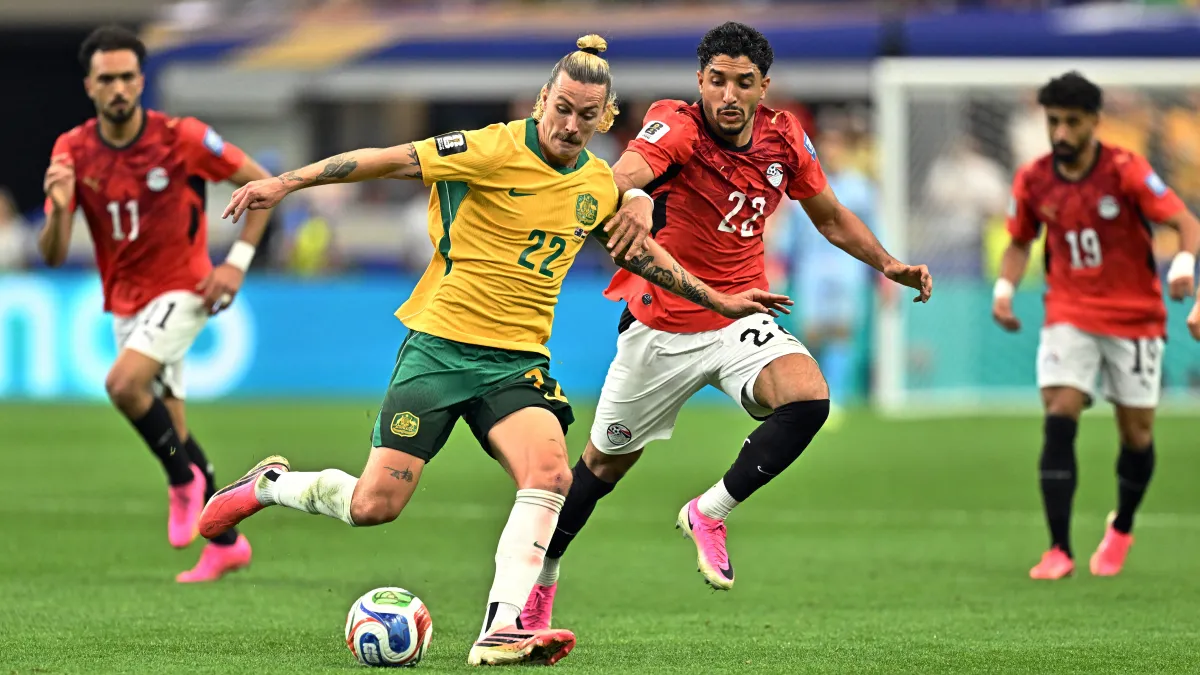
Knockout football always sharpens the nerves, and Friday’s meeting between Australia and Egypt in Dallas could turn on the smallest detail. For anyone following the World Cup 2026, understanding what happens after 90 minutes is essential, because this stage leaves no room for replays and every tie must produce a winner.
Both sides are chasing a deeper run than many predicted, and that adds an extra layer of pressure to an already tense occasion. With the FIFA World Cup 2026 expanding the drama across more matches and more teams, the rules around extra time and penalties are as important as tactics, substitutions and game management.
How the match is decided after 90 minutes
If Australia and Egypt are level at the end of normal time, the game moves into extra time rather than heading straight to penalties. Under the World Cup 2026 format, knockout ties must be settled on the day.
Here is how that process works:
- Two extra periods of 15 minutes are played
- There is no golden goal or sudden-death winner
- The full 30 minutes must be completed, even if one team scores early
- Teams switch ends between the two extra-time periods
- Referees can add stoppage time at the end of each extra-time half
That means a single goal does not instantly end the contest. A team that falls behind still has time to respond, which often changes the tactical picture. Managers may become more cautious, or they may push harder knowing the World Cup 2026 knockout stage can punish hesitation.
Extra-time substitutions and match management
One of the key details is that teams are allowed an additional substitute if the game reaches extra time. That can be crucial in a physically demanding contest, especially in a tournament where travel, climate and recovery all shape performance. Fresh legs can alter pressing intensity, defensive shape and set-piece delivery late in a match.
In a competition as demanding as the Football World Cup 2026, squad depth can become just as important as star quality.
Read more: Explore more sports coverage and tournament analysis
How penalties work if the score is still level
If extra time ends without a winner, the tie is decided by a penalty shootout. This is where calmness, technique and nerve take over.
The basic penalty procedure is straightforward:
- Each side nominates five kickers
- Only players still on the pitch at the end of extra time can take a penalty
- The teams alternate kicks
- If one team leads after five kicks each, it wins
- If still level, the shootout moves to sudden death
Sudden death means each team takes one kick per round until one scores and the other misses. It is one of the harshest endings in sport, but also one of the most dramatic. In the World Cup 2026 schedule, matches like this are what define legacies.
Why these details matter in knockout football
Penalty shootouts are often discussed as a lottery, but preparation matters. Teams study goalkeeper tendencies, preferred shooting angles and pressure responses. Coaches also think carefully about the order of takers, especially when fatigue sets in after 120 minutes.
For supporters tracking the World Cup 2026 fixtures, these moments can shape an entire bracket. One save, one miss or one composed finish can decide who advances and who heads home.
Read more: Explore the latest media and sports updates
What to watch when the pressure rises
If this contest goes deep, there are a few clear signs to monitor:
- Which team keeps possession best under pressure
- Whether tired defenders begin to sit deeper
- How managers use their final substitutions
- Which side looks mentally settled before penalties
Australia’s discipline and Egypt’s resilience could make this an attritional battle. In the later rounds of the FIFA World Cup 2026, those qualities often matter just as much as flair.
Read more: Explore more feature stories and event coverage
Bottom line before kickoff
If Australia and Egypt are tied after regulation, the path is simple: 30 minutes of extra time, then penalties if required. There is no golden goal, no replay and no second chance. In the World Cup 2026, knockout football is built to deliver finality, and that is exactly what makes these matches so compelling.
As the FIFA World Cup 2026 moves deeper into its elimination rounds, fans should expect more tension, more strategy and perhaps another shootout decided by the finest of margins.