

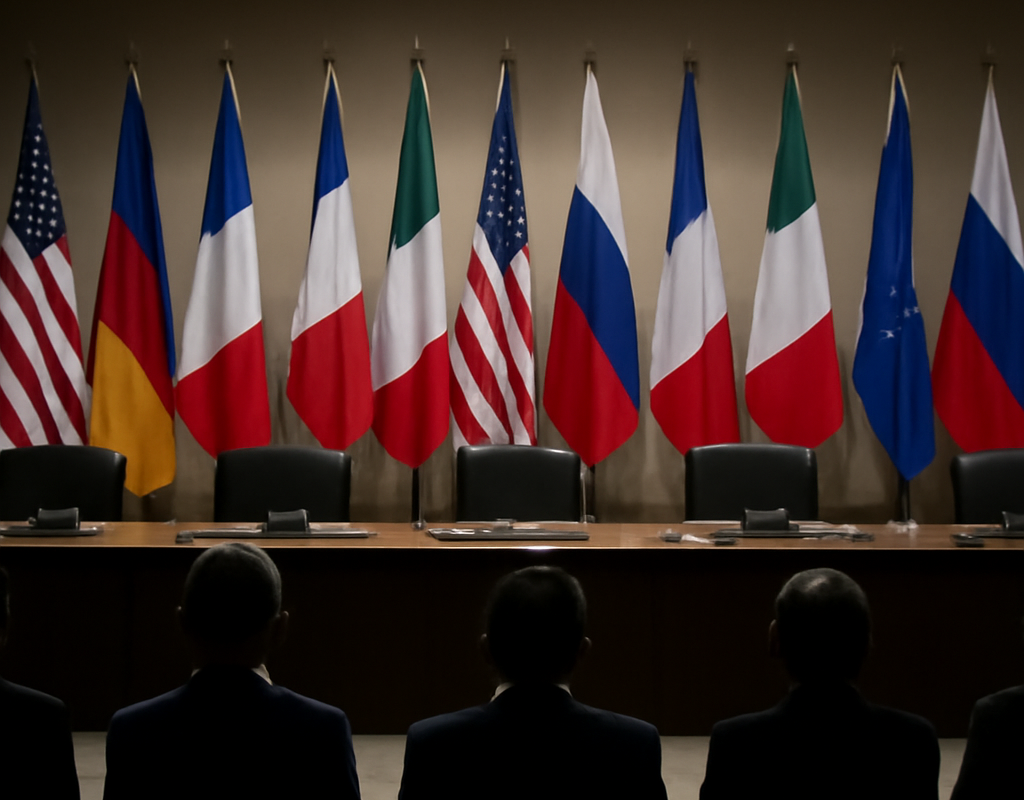
European diplomats have refused to stand alongside Russia’s Foreign Minister Sergei Lavrov for an official G20 photograph in Atlanta, creating a striking diplomatic moment at a meeting focused on global economic and political challenges. The cancellation reflects continuing divisions over Russia’s war in Ukraine and growing disagreement between Washington and several European governments.
Ireland Breaking News: G20 Family Photo Cancelled
The planned G20 “family photo” was abandoned after several delegations indicated that they would not participate while Lavrov was present. The photograph, normally a routine symbol of cooperation among the world’s leading economies, had been scheduled during the Foreign Ministers’ Meeting hosted by US Secretary of State Marco Rubio.
Officials confirmed that European representatives, including the United Kingdom, were among those unwilling to join the picture. A British official said London maintained a policy of avoiding direct bilateral engagement with Russian ministers since Moscow’s full-scale invasion of Ukraine.
Rather than allow the ceremony to dominate the meeting, the United States decided to cancel the image and keep attention on formal discussions. The incident nevertheless became a powerful visual symbol of the diplomatic isolation surrounding Russia, even as relations between Moscow and Washington appear to have improved in some areas.
Why the gesture matters
Diplomatic photographs are carefully managed events. Participation can be interpreted as a sign of recognition, normalisation or willingness to engage. Refusing to attend therefore sends a political message without requiring a formal statement.
- European governments continue to oppose normal diplomatic relations with Moscow while the war continues.
- The United States appears to be pursuing a more transactional approach to Russia.
- Ukraine was not invited to this G20 meeting, despite attending comparable gatherings in recent years.
- The disagreement highlights tensions among countries that publicly support Ukraine but differ over negotiations and sanctions.
Latest Irish News and Europe’s Position on Ukraine
Although Ireland is not a G20 member, developments at the meeting remain relevant to Irish foreign policy and European security. The country has strongly supported Ukraine’s sovereignty and has been closely involved in the wider European response to the conflict through humanitarian assistance, sanctions and support for people displaced by the war.
The diplomatic dispute comes during a particularly difficult period for Kyiv. Russia has intensified missile and drone attacks against the Ukrainian capital and other cities, while Moscow continues to control a substantial part of Ukrainian territory. European governments have repeatedly argued that any peace agreement must protect Ukraine’s independence and prevent future aggression.
For readers following Irish politics news, the episode also raises questions about how European states should respond if Washington and Moscow pursue separate negotiations. Ireland, like other EU countries, must balance support for Ukraine with concerns about energy security, international law and the long-term stability of Europe.
Read more: Ireland breaking news and major national developments | latest Irish news, Dublin news today and world affairs
US-Russia Relations Move in a Different Direction
The cancellation of the photograph comes as relations between the United States and Russia have partially thawed. The US president has suspended some sanctions and backed an arrangement involving Russian diesel imports for the American market. The policy is linked to efforts to lower fuel costs ahead of the US mid-term elections and to keep Moscow engaged in possible peace negotiations.
Ukraine and its European partners have sharply criticised the approach. President Volodymyr Zelensky described the arrangement as a benefit to the Kremlin and argued that it could provide resources for a war that should be brought to an end. The US position, however, is that limited economic measures can help preserve a negotiating channel.
Russia has said it is prepared to supply oil and petroleum products to the US and other markets. That stance is significant because Moscow introduced restrictions on diesel exports earlier in the year. It also demonstrates how energy policy continues to influence diplomacy, with governments weighing sanctions against fuel prices and domestic political pressure.
Energy concerns beyond the summit
The debate will be watched closely across Europe, where households and businesses remain sensitive to electricity prices Ireland and wider energy costs. Any change in Russian oil policy could influence global fuel markets, inflation and the cost of transport. Those effects can feed into the cost of living Ireland, even when decisions are made far beyond Europe.
For Ireland, the immediate impact is likely to be political rather than operational. However, international energy markets can affect household bills, commercial costs and government decisions on support schemes. This is why world diplomacy remains relevant to everyday economic news.
Explore more: Follow international affairs, global business and European news analysis for further context on the issues shaping Ireland and the world.
What Happens Next in the Ukraine War?
The G20 dispute does not by itself change the military situation, but it shows how difficult it remains for the major powers to present a united position. Russia continues its attacks, Ukraine is seeking sustained international support, and the United States is testing whether economic incentives can encourage negotiations.
European governments are likely to maintain pressure for Ukraine to be included in any meaningful peace process. They must also decide how closely to coordinate with Washington if US policy diverges from the European position on sanctions, energy and security guarantees.
Key questions for observers
- Will US-Russia contacts lead to formal peace talks?
- Can European governments maintain a common strategy on sanctions?
- How will energy agreements affect support for Ukraine?
- Will future G20 meetings avoid symbolic disputes or expose them more openly?
Conclusion: A Symbolic Diplomatic Setback
The abandoned G20 photograph was more than a cancelled ceremony. It revealed the continuing gulf between Russia and European governments, while also exposing the changing relationship between Washington and Moscow. As the war in Ukraine continues, Ireland and other European countries will be watching how these divisions affect security, energy markets and the prospects for peace. For anyone following Ireland breaking news, the central takeaway is clear: decisions made at global diplomatic meetings can shape Europe’s future and influence issues felt far beyond the conference room.