

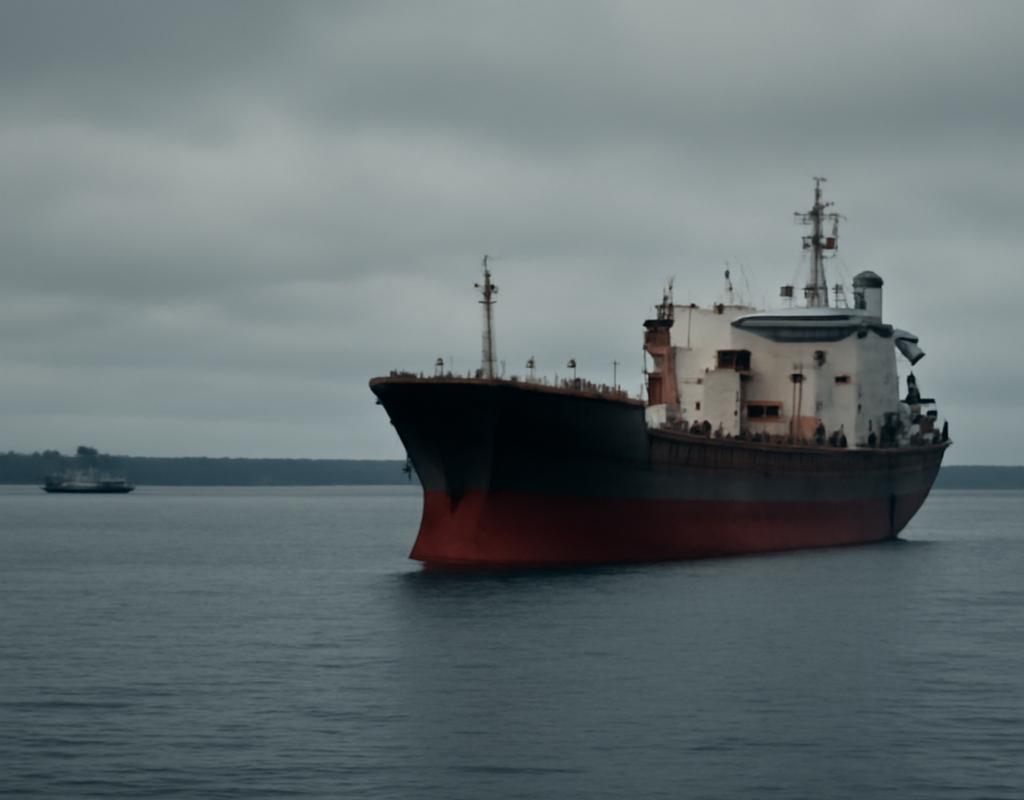
A Finnish court has convicted the Russian captain and an Azerbaijani crew member of the cargo ship Fitburg over damage to subsea telecommunications cables in the Gulf of Finland. The verdict is a significant development in European security and international Irish news coverage as governments examine the vulnerability of critical infrastructure beneath the Baltic Sea.
Finland court hands down prison sentences
The Helsinki District Court sentenced the ship’s Russian captain to three years and six months in prison. An Azerbaijani crew member received a sentence of two years and 10 months after the court found both men guilty of aggravated sabotage.
According to the court, the Fitburg dragged an anchor chain and part of its anchor along the seabed for approximately 130 kilometres. Investigators linked the movement to damage affecting two telecommunications cables running between Helsinki and Estonia.
The vessel was seized by Finnish authorities on December 31st while travelling from St Petersburg in Russia towards Israel. It was sailing under the flag of Saint Vincent and the Grenadines. The ship has since been released.
Damages ordered by the court
The two defendants were ordered to jointly pay approximately €1.9 million in compensation. The captain was also ordered to pay a further €85,000, according to the verdict.
Both men denied wrongdoing and challenged Finland’s jurisdiction. The captain’s lawyer said an appeal would be lodged, while the crew member had not yet decided whether to appeal. The defendants have remained in Finland under travel restrictions during the case.
Baltic Sea infrastructure under growing scrutiny
Finland has increased security measures around undersea infrastructure following several incidents involving cables and pipelines in the Baltic Sea since 2022. These networks carry telecommunications, electricity and other essential services, making them increasingly important to national security and economic stability.
The case has also raised wider questions about how maritime authorities respond when commercial vessels are suspected of causing serious damage in strategically sensitive waters. In September, Finland conducted a vessel-boarding drill as part of broader efforts to improve its ability to protect subsea assets.
The ship had 14 crew members, who investigators said were nationals of Russia, Georgia, Kazakhstan and Azerbaijan. The prosecution focused on the captain and one crew member in relation to the cable damage.
Why subsea cables matter
- They carry large volumes of internet and telecommunications traffic between countries.
- Damage can disrupt businesses, public services and international communications.
- Repairs often require specialist vessels and favourable weather conditions.
- Incidents can create diplomatic tensions even when responsibility remains disputed.
Read more: Ireland and European security coverage
For further reporting on international affairs, public policy and European developments, read more from Ireland breaking news and Irish government announcements, including coverage relevant to readers following Irish news today.
Legal dispute continues after verdict
The convictions do not end the case. The captain is expected to challenge the ruling, while the other defendant is still considering his legal options. Any appeal could examine the evidence surrounding the anchor’s movement, the extent of the damage and Finland’s authority to prosecute an incident involving an internationally registered vessel.
The ruling comes amid heightened concern across northern Europe about the protection of critical infrastructure. Authorities in the region are monitoring maritime traffic more closely and increasing cooperation between coastguards, police forces and national security agencies.
Although the defendants disputed the allegations, the court concluded that the anchor and chain were dragged intentionally. That finding formed the basis of the aggravated sabotage convictions and the financial penalties imposed.
Explore more Irish and international news
Readers can explore more updates through RTE news, Dublin news and Garda news, as well as analysis of international stories affecting Europe. Additional lifestyle and current-affairs coverage is available from Irish Times-style world news and European affairs reporting.
What the verdict means
The Finnish decision underlines the legal and political importance of protecting underwater communications networks. It also shows how a maritime incident can develop into a major national-security case when essential infrastructure is damaged.
As Finland and other Baltic states strengthen surveillance and emergency planning, shipping companies face growing expectations to demonstrate careful navigation and effective oversight. The appeal process will determine whether the convictions stand, but the case has already become an important test of accountability for damage to subsea infrastructure.
Key takeaway: The Finland court convictions over Baltic cable damage highlight the vulnerability of Europe’s undersea networks and the increasingly serious legal consequences of incidents involving critical infrastructure.
Image Courtesy: AP