

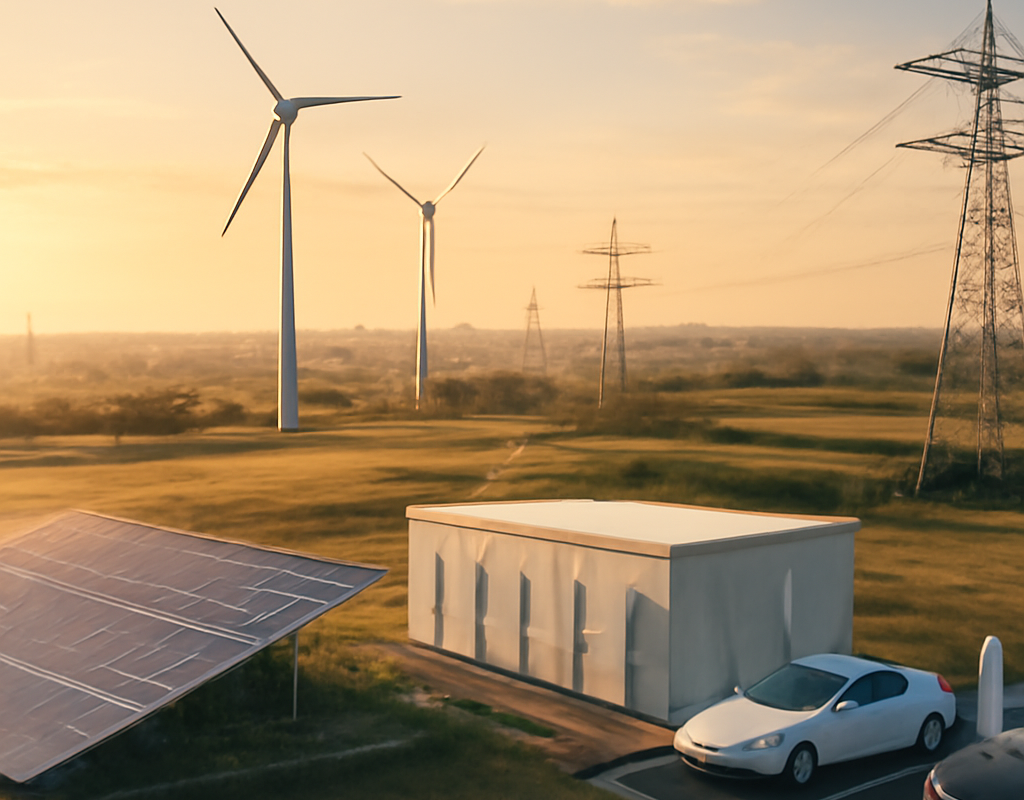
Europe’s solar and battery boom could significantly reduce electricity costs while making the continent’s energy system more resilient, according to analysis highlighted in recent clean-energy reporting. The combination of rooftop solar, large-scale renewable generation and battery storage is changing how electricity is produced, managed and consumed across Europe.
The potential savings are linked to a simple shift: producing more power locally and storing it for periods when demand is high or renewable generation is low. However, reaching those savings would require investment in grid infrastructure, faster connections, flexible electricity markets and wider access to clean-energy technologies.
How the solar and battery boom could lower bills
Solar panels generate electricity when sunlight is available, while batteries can store surplus power for later use. Together, they can help households, businesses and communities reduce their reliance on electricity purchased during expensive peak periods.
Battery storage may also help balance the wider electricity system. Wind and solar output can fluctuate, but storage can absorb excess generation and release it when renewable production falls. This could reduce the need for more expensive backup generation and limit the amount of clean electricity that is wasted.
The potential benefits include:
- Lower exposure to wholesale electricity price spikes
- More use of locally generated renewable power
- Reduced pressure on electricity networks during peak demand
- Less renewable energy curtailed because the grid cannot accept it
- Greater energy independence for households and businesses
The reported figure of up to 40% should not be read as a guaranteed reduction for every consumer. Actual savings depend on installation costs, financing, electricity tariffs, local solar conditions, battery performance and how efficiently the system is connected to the grid.
Why storage matters as renewable energy expands
Solar generation is strongest during daylight hours, while electricity demand often continues into the evening. Without storage or flexible demand, some solar power may be unavailable when consumers need it most.
This challenge is becoming more important as European countries add renewable capacity. In some markets, wind and solar farms are occasionally asked to reduce output because networks are congested or demand is too low. Batteries can help by storing electricity that might otherwise be switched off.
Older electric-vehicle batteries could also play a role. Once they are no longer suitable for vehicle use, some may retain enough capacity for stationary applications such as grid balancing or backup power. Reusing them could extend their useful life before recycling becomes necessary.
Consumers could become active participants
Smart meters, home batteries, heat pumps and electric vehicles can allow consumers to adjust when they use electricity. A household might charge a vehicle or battery when renewable power is plentiful and draw less electricity during expensive periods.
This flexibility is sometimes described as becoming a “better grid citizen”. It does not mean consumers must constantly monitor energy markets. Automated systems can respond to price signals and network conditions, provided consumers receive clear information and fair financial incentives.
The barriers to lower electricity costs
Europe’s clean-energy expansion faces several practical obstacles. Electricity grids in many countries were designed for a more centralised system, with power flowing from large generators to consumers. Solar panels, batteries and electric vehicles create a more distributed network that requires upgraded connections and digital management.
Key challenges include:
- Long waits to connect renewable projects to the grid
- Insufficient transmission and distribution capacity
- High upfront costs for household solar and batteries
- Different national rules for energy sharing and storage
- Unclear financial returns for flexibility services
- Pressure to source equipment through competitive clean-technology supply chains
Policy decisions will determine how quickly these barriers are addressed. EU energy policy increasingly focuses on renewable deployment, energy security and the modernisation of the European single market, but implementation still depends heavily on national governments, regulators and network operators.
What the shift means for Ireland
Ireland has strong wind resources and is expanding renewable electricity, but its energy system must also manage a relatively isolated grid and variable generation. Solar and battery storage could complement wind power by providing additional flexibility, particularly during periods when renewable output does not match demand.
For Irish households, the benefits will depend on grants, electricity pricing, planning rules, connection arrangements and access to smart-energy services. Batteries may be most useful where they are integrated with rooftop solar or participate in wider demand-response schemes, although individual savings will vary.
The wider lesson for Ireland and other EU member states is that adding generation alone is not enough. Grid investment, storage, interconnection and consumer participation must develop alongside new renewable projects.
What happens next?
The potential for lower electricity costs will depend on whether Europe can turn renewable capacity into a reliable, flexible system. That means building more grid infrastructure, simplifying connection procedures and creating rules that allow households, businesses and communities to share or store electricity efficiently.
Consumers should also assess the full cost of any installation rather than relying on headline savings. Payback periods can vary, and batteries may provide value through resilience and flexibility as well as through direct bill reductions.
Conclusion
Europe’s solar and battery boom could help reduce electricity costs by making renewable power more available when people need it. A saving of up to 40% is a potential outcome rather than a universal promise, but the direction is clear: solar generation, battery storage, smart meters, electric vehicles and modern grids are becoming central to Europe’s energy transition. The biggest gains will come when investment and regulation allow these technologies to work together.