Ireland is hosting one of the most significant diplomatic gatherings in its history as 50 world leaders arrive in Dublin for the European Political Community (EPC) summit. The EPC Summit Ireland meeting, hosted by Taoiseach Micheál Martin on 12 November 2026, will focus on Europe’s security, economic resilience and future cooperation.
EPC Summit Ireland focuses on a stronger, secure and connected Europe
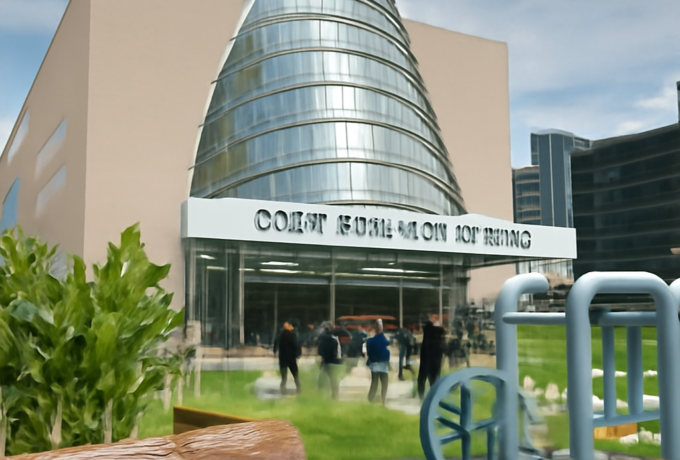
Leaders are meeting at the Convention Centre Dublin under the theme “Europe – strong, secure and connected”. The summit brings together leaders from EU and non-EU countries, creating a forum for political dialogue on challenges affecting the wider continent.
Key discussions will include:
- Continued support for Ukraine amid Russia’s ongoing war of aggression
- Strengthening Europe’s economy and competitiveness
- Innovation, energy cooperation and connectivity
- Hybrid threats and attempts to undermine democratic institutions
The meeting is being coordinated by the Department of the Taoiseach, with substantial preparation across Ireland’s public service. The Department said the gathering will be the largest meeting of heads of state or government ever hosted by Ireland.
Why the European Political Community matters
Established in 2022, the EPC is an informal platform designed to encourage cooperation between countries across Europe and its wider neighbourhood. Unlike EU-only meetings, it includes both EU and non-EU participants, allowing leaders to discuss shared security, stability and prosperity concerns.
The EPC meets twice each year. The summit held during the second half of the year takes place in the country holding the rotating Presidency of the European Union. Alongside formal plenary sessions, leaders can hold bilateral and smaller group meetings.
Read more
Ukraine, democracy and Europe’s changing security landscape
Support for Ukraine is central to the summit agenda. The Taoiseach said Ireland continues to stand with the Ukrainian people and referred to the country’s ongoing experience of attacks. He also highlighted the growing use of hybrid activity, including efforts to create division and weaken democratic processes.
These issues are expected to place national security, resilience and international cooperation at the centre of discussions. The summit also offers an opportunity to strengthen links between EU members and partners beyond the Union.
Dublin programme includes National Gallery dinner
Following the summit, Taoiseach Micheál Martin will host leaders for a dinner at the National Gallery of Ireland. The programme reflects both the formal diplomatic purpose of the EPC and Ireland’s role as host to a major international event.
Explore more
What the EPC Summit Ireland means for the country
Hosting the EPC summit gives Ireland a prominent platform at a time of heightened geopolitical uncertainty. It demonstrates the country’s capacity to convene international leaders and supports deeper conversations on economic cooperation, energy security, innovation and democratic resilience.
Government departments and agencies, including the Department of the Taoiseach and relevant public service bodies, have worked together to prepare for the event. The summit’s informal structure may also enable direct discussions that complement the work of EU institutions and other international organisations.
Conclusion
The EPC Summit Ireland meeting marks a historic moment for Irish diplomacy and European cooperation. With 50 leaders discussing Ukraine, economic strength, connectivity and democratic security, the summit underlines the importance of working across borders on shared challenges. The clearest takeaway is that a strong, secure and connected Europe depends on sustained cooperation between EU members and their wider European partners.
Article/Image Courtesy: gov.ie