Ireland has launched its first National Bioeconomy Strategy, BioScale 2030, as Dublin welcomes more than 1,500 delegates to the Global Bioeconomy Summit. The strategy aims to turn renewable biological resources, research and innovation into sustainable businesses, new markets and opportunities for communities across the country.
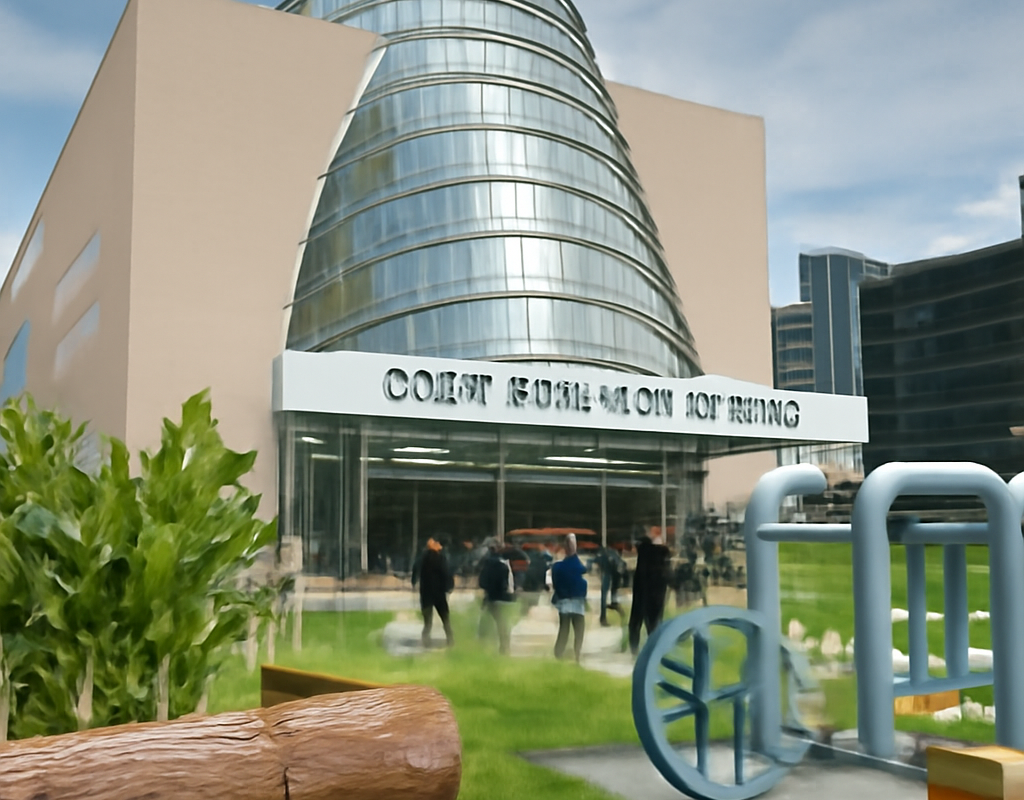
The launch took place on 21 October 2026 during the summit at the Convention Centre Dublin. The event, hosted in Ireland on 20 and 21 October, brought together policymakers, researchers, investors, industry leaders, international organisations and civil society representatives.
Bioeconomy Strategy sets national direction for sustainable growth
The Bioeconomy Strategy 2026–2030 provides a coordinated framework for developing value from biological resources. It covers sectors that produce, process, distribute or use materials from agriculture, forestry, fisheries and related industries, including food-processing side-streams and waste.
Potential products include:
- Biobased foods, feeds and fertilisers
- Renewable construction materials and packaging
- Biochemicals, bioplastics and biogas
- Higher-value nutritional and marine ingredients
The policy is intended to support climate action, circular economy goals and reduced dependence on imported fossil fuels. It also aims to help farmers, foresters, fishers and regional businesses capture more value from renewable resources.
Government highlights research, enterprise and regional opportunities
The Taoiseach said Ireland’s agricultural, forestry, marine and food sectors, alongside its research and innovation base, provide strong foundations for a climate-neutral and circular economy. Agriculture Minister Martin Heydon said the next challenge is to connect existing strengths, scale successful innovations and develop markets in which primary producers can participate.
Climate, Energy and the Environment Minister Darragh O’Brien said better use of biological resources, including materials currently treated as waste, could create jobs, improve competitiveness and support Ireland’s climate and energy objectives.
The strategy follows the National Policy Statement on the Bioeconomy and the Bioeconomy Action Plan 2023–2025. Its implementation will require cooperation between government departments, enterprise, research bodies, communities and investors, including organisations connected with Agriculture, Climate Action, Enterprise, Trade and Employment, Finance and Rural and Community Development.
Read more
Irish projects show the bioeconomy in action
Ireland already has pilot and demonstration infrastructure designed to move ideas from research towards commercial use. Examples include the National Biorefinery Pilot Plant at Lisheen in County Tipperary and the integrated grass-biorefinery and anaerobic-digestion demonstration plant in Cork.
Companies highlighted in the launch materials include BiaSol, which turns brewers’ spent grain into nutritious snacks, and MEDITE SMARTPLY, which makes timber-based panels for construction while exploring the conversion of manufacturing wastewater into products such as biogas and bioplastics.
Pure Marine Biotech uses sustainably sourced blue whiting to produce protein powders, calcium products and omega-3 oils. Kerry is also researching ways to recover useful components from spent coffee grounds, demonstrating how food-processing side-streams can be returned to productive use.
Explore more
What happens next for BioScale 2030?
The strategy identifies the need for coordinated action on scale-up facilities, finance, sustainable biomass supplies, market demand, regulation and skills. Its success will depend on moving beyond demonstrations and creating commercially viable value chains that benefit rural, coastal and urban economies.
The Global Bioeconomy Summit also provides Ireland with an international platform to share its experience and learn from partners. Discussions focused on how bioeconomy innovation can support socioeconomic transformation, reduce greenhouse gas emissions and accelerate the move away from fossil-based production.
Conclusion
Ireland’s Bioeconomy Strategy, BioScale 2030, marks a significant step in linking research, renewable resources and enterprise with climate and circularity goals. The key takeaway is clear: turning biological materials into competitive products will require investment, collaboration and practical delivery, but it could create lasting opportunities for producers, businesses and communities nationwide.
Article/Image Courtesy: gov.ie