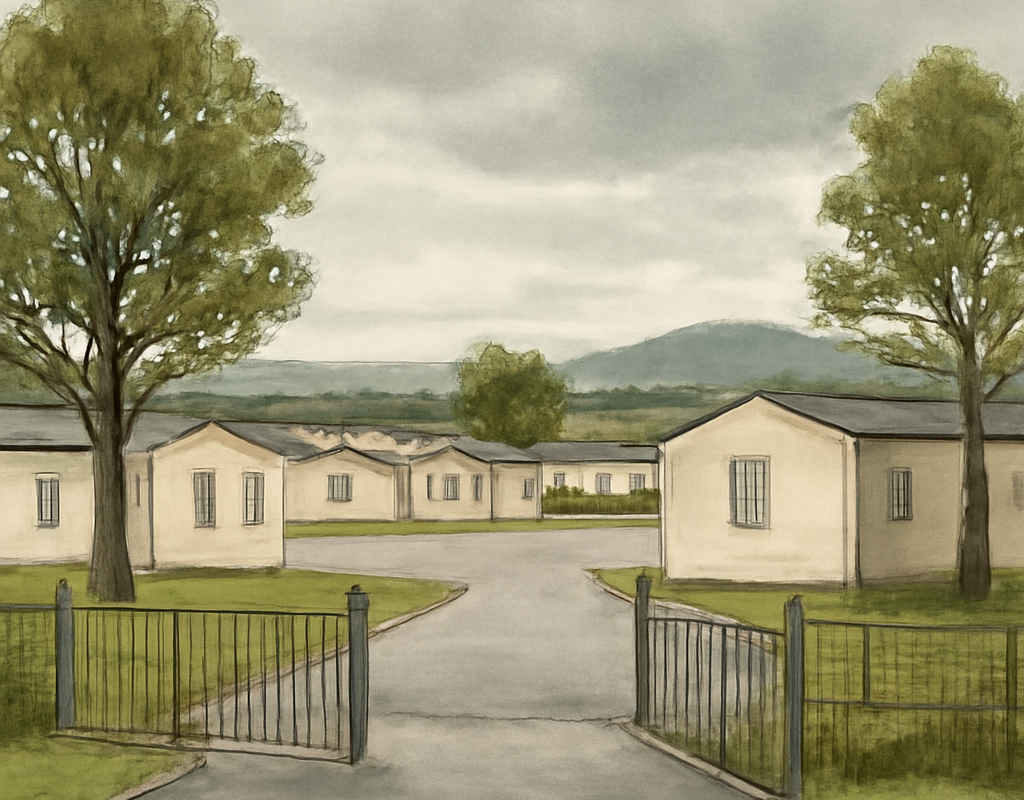
Designated Accommodation Centres are part of Ireland’s current system for providing temporary protection accommodation to people arriving from Ukraine. The arrangements affect welfare payments, the length of State-provided accommodation and the services available to residents.
What are Designated Accommodation Centres?
A Designated Accommodation Centre is State-provided accommodation formally designated under Irish law. The Department of Justice, Home Affairs and Migration says the centres are used to provide humanitarian support while managing the demand for accommodation.
Residents may receive:
- Accommodation
- Food and laundry services, depending on the centre
- Integration supports
- Access to healthcare and education where needed
Designated Accommodation Centres and the 30-day limit
From 10 November 2025, beneficiaries of temporary protection arriving from Ukraine who seek State-provided accommodation are accommodated in a Designated Accommodation Centre for a maximum of 30 days. The policy applies to people looking for State-supported accommodation on arrival.
One centre was identified for this purpose:
- Wallslough, County Kilkenny — capacity of 286 people
During the 30-day period, residents are provided with food, services and integration supports. They can also receive the Beneficiary of Temporary Protection Weekly Payment, subject to an income test.
How welfare payments are affected
From 14 March 2024, beneficiaries of temporary protection living in a Designated Accommodation Centre do not qualify for certain social assistance payments. Instead, they may receive the Beneficiary of Temporary Protection Weekly Payment:
- €38.80 per adult
- €29.80 per child
The payment is subject to an income test. Where residents contribute towards the cost of meals, the payment rate may reflect that contribution.
These rules were introduced to create equivalent treatment for beneficiaries living in full-board State-supported accommodation, where meals and utilities are provided.
What happens after leaving a centre?
Once beneficiaries leave a Designated Accommodation Centre, they may apply for standard social welfare assistance on the same basis as Irish citizens, provided they meet the relevant eligibility conditions. The same applies to people who arrange their own accommodation when they arrive.
Why the Government introduced the measures
The Government says the changes are intended to support a more sustainable approach to humanitarian assistance. By combining short-term accommodation with food, practical services and integration supports, the policy separates the assistance available inside designated centres from longer-term welfare arrangements.
The Department of Justice, Home Affairs and Migration remains the relevant Government department for the published accommodation information. Applicants should consult the latest information on gov.ie before making decisions about payments or accommodation, as arrangements and centre details may be updated.
Key takeaway
Designated Accommodation Centres provide short-term State-supported accommodation, with a maximum stay of 30 days for relevant new arrivals from 10 November 2025. Residents receive essential services and may qualify for the weekly temporary protection payment, while access to standard welfare support is considered after leaving the centre and meeting the usual conditions.