

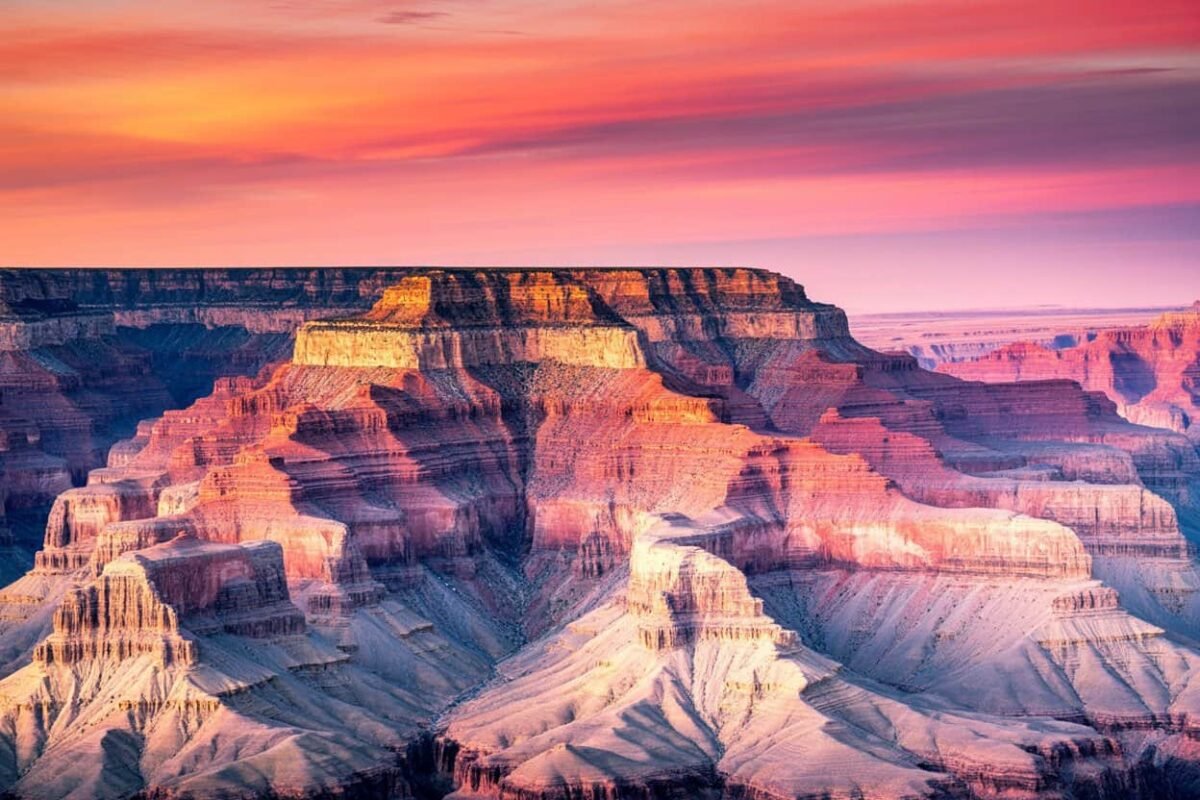
Arizona’s Chiricahua National Monument has officially become Chiricahua National Park, giving one of the state’s most distinctive natural landscapes national park status for the first time. The redesignation, signed into law on October 20, 2026, could raise the profile of southeastern Arizona while preserving the area’s existing character and protections.
The new park is near Willcox in Cochise County and is known for dramatic volcanic rock formations, hiking trails, wildlife habitats and exceptionally dark skies. For travellers, the immediate change is mainly one of status and recognition: the landscape remains approximately 12,000 acres, entrance remains free, and no major new roads, hotels or construction projects have been announced solely because of the redesignation.
What has changed at Chiricahua?
The Chiricahua National Park Act redesignated the former national monument as America’s 64th national park and Arizona’s fourth, joining Grand Canyon, Saguaro and Petrified Forest national parks.
The site was originally protected as a national monument on April 18, 1924, during the presidency of Calvin Coolidge. More than a century later, the new designation formally recognises its geological, ecological and cultural importance.
The legislation received bipartisan support in Congress, including backing from Arizona representatives and senators. However, the National Park Service has not forecast how many additional visitors the new status may attract or how quickly any tourism growth might occur.
Why Chiricahua could become a major outdoor destination
Chiricahua is often associated with its “Wonderland of Rocks”, a landscape of towering columns, narrow passages, pinnacles and balanced stones. The formations developed after a huge volcanic eruption approximately 27 million years ago deposited layers of material across the region. Long-term erosion then sculpted the hardened rock into the shapes visible today.
The park’s appeal extends beyond geology. Its position in the Chiricahua Mountains creates a sky island ecosystem, where elevation produces cooler and more varied habitats than the surrounding lowlands. Desert, grassland and forest environments meet in the wider region, supporting diverse plant and animal life.
Visitors can plan trips around:
- Hiking through Echo Canyon and other rock formations
- Scenic viewpoints at Massai Point
- Birdwatching and wildlife observation
- Landscape photography at different times of day
- Camping in the established campground
- Stargazing beneath exceptionally dark skies
- Ranger-led and educational experiences
Chiricahua was recognised as an International Dark Sky Park in 2021, making it an attractive addition to itineraries focused on astronomy as well as daytime outdoor activities.
Travel planning: what visitors should expect
Willcox is the main gateway community and the park is approximately 37 miles away. Access is primarily via Arizona Highways 186 and 181. The area is rural, so visitors should plan carefully rather than expect the services available around Arizona’s busiest parks.
- There is currently no entrance fee.
- The park is generally accessible around the clock, subject to conditions.
- The visitor centre is listed as operating from 8:30 to 16:30.
- Camping is available at the established campground.
- Nearby services, parking and accommodation are limited compared with larger national parks.
- Weather, road conditions and trail access should be checked before departure.
Spring, particularly March and early April, is among the busiest periods identified for visits. Higher elevations can be cooler and windier than nearby lowland areas, so travellers should bring suitable clothing, enough water and essential supplies.
The National Park Service has stated that the redesignation does not expand the park’s boundaries or automatically provide additional construction funding. Visitors should therefore not assume that new hotels, highways or larger parking areas will appear immediately.
Indigenous heritage is central to the destination
The landscape is also part of the ancestral homeland of the Chiricahua Apache and has deep cultural and historical significance. The protected area includes evidence of thousands of years of human history, while Faraway Ranch reflects later settlement and ranching activity.
The legislation reinforces the protection of traditional cultural and religious sites and recognises access for eligible tribal members carrying out traditional cultural and customary activities. Visitors should treat the area respectfully and rely on National Park Service information for historical and cultural interpretation.
Could the designation boost local tourism?
Willcox and surrounding Cochise County may benefit if national park status encourages more travellers to add Chiricahua to American Southwest road trips. Visitors can generate demand for accommodation, restaurants, fuel, transport, guiding and outdoor equipment in nearby communities.
International visitors who already associate Arizona with the Grand Canyon may find Chiricahua a quieter alternative, particularly those interested in geology, wildlife, photography and conservation. Nevertheless, increased visitation is not guaranteed. Awareness, transport access, local capacity and changing travel patterns will all influence the park’s future tourism performance.
Past National Park Service figures recorded 71,390 visits in 2024 and 70,406 in 2025. Those figures describe the former monument’s visitation and should not be treated as a forecast for the newly designated park.
What happens next?
The first practical changes are expected to involve the park’s name, signs, maps and visitor information rather than a transformation of its facilities. The National Park Service will continue monitoring use of trails, parking areas and camping facilities as awareness grows.
For now, Chiricahua National Park offers travellers a newly recognised destination without the scale or infrastructure of Arizona’s most famous parks. The key takeaway is simple: the designation raises the profile of a protected volcanic landscape, but visitors should still plan for a remote setting with limited services and check official park information before travelling.