

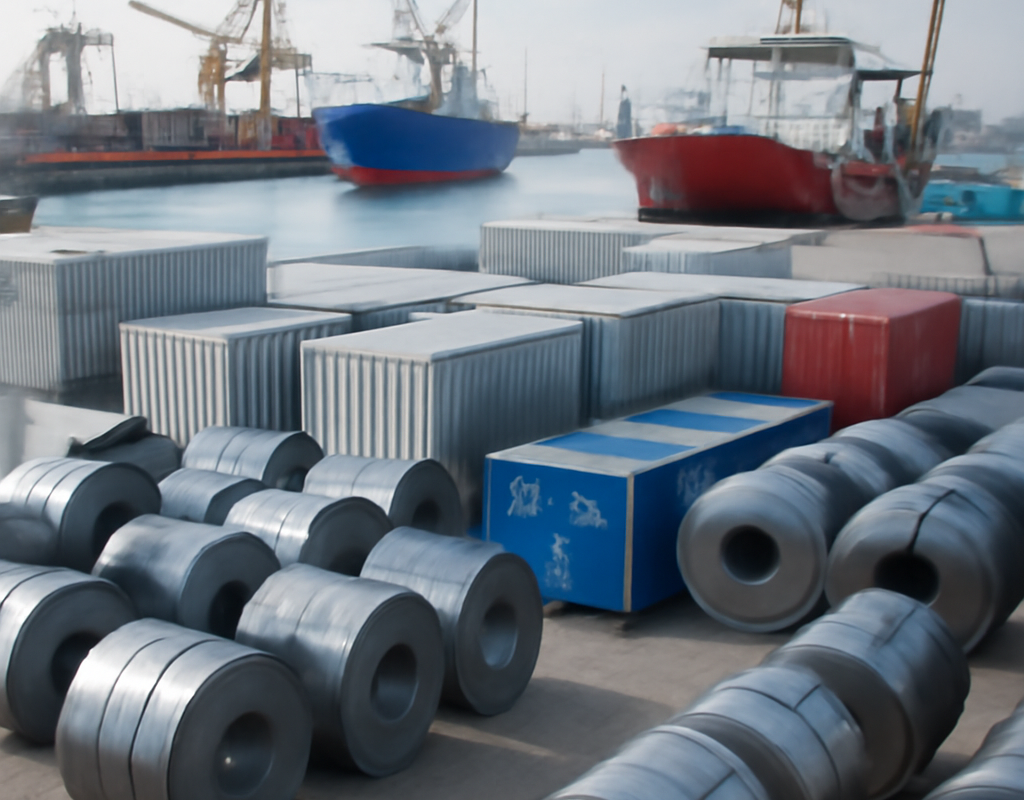
Canada has not fully endorsed the European Union’s carbon border tax, highlighting the diplomatic and commercial challenges surrounding one of Brussels’ most important climate-trade policies. The position comes as the EU seeks closer cooperation with Ottawa on climate action while concerns remain over Canada’s domestic fossil-fuel strategy.
The issue is significant for exporters because the EU’s Carbon Border Adjustment Mechanism, known as CBAM, links access to the European market with the carbon emissions associated with certain imported goods. Its purpose is to reduce the risk of carbon leakage, where production moves to countries with weaker climate rules.
Canada’s position on the EU carbon border tax
Canada has stopped short of giving unequivocal support to the EU’s approach. That does not necessarily mean Ottawa rejects cooperation with Brussels, but it points to differences over how climate policy should interact with trade, industrial competitiveness and energy production.
The EU has presented CBAM as a way to ensure that imported carbon-intensive products face a comparable carbon cost to goods made inside the bloc. Canada, meanwhile, has sought to balance emissions reduction with the economic importance of its energy and industrial sectors.
The disagreement is therefore less about whether climate change requires action and more about the design and consequences of the policy. Canadian exporters may face additional administrative requirements when selling covered products into the EU, while European officials want to prevent companies inside the single market from being placed at a disadvantage.
How the EU’s Carbon Border Adjustment Mechanism works
CBAM is designed to reflect the emissions embedded in selected imports. The mechanism initially focuses on carbon-intensive sectors, including:
- cement;
- iron and steel;
- aluminium;
- fertilisers;
- electricity; and
- hydrogen.
Importers must provide information about the greenhouse gases released during production. The system is intended to connect those emissions with a financial obligation linked to the EU carbon price.
It is not a general charge on every product entering the European Union. Its coverage is targeted, and the practical effect depends on the product, its production methods and whether a carbon price has already been paid in the country of origin.
Why carbon leakage matters
EU policymakers argue that ambitious domestic climate rules could encourage some production to relocate outside the bloc. If that happened, emissions might not fall globally even if they declined within the EU. CBAM is intended to address that risk while encouraging trading partners to adopt stronger emissions standards.
Critics, however, have raised concerns about trade friction, compliance costs and the possibility that carbon-border measures could be viewed as protectionist. These concerns are particularly relevant for countries whose exporters depend on the European market.
Climate cooperation and energy policy
The dispute comes as the EU seeks a stronger climate partnership with Canada. Ottawa is widely viewed internationally as an important partner on climate diplomacy, yet its continued support for expanding oil and gas production creates tension between international commitments and domestic economic policy.
That contrast has become part of the wider debate about how governments can maintain energy security while reducing emissions. European countries have faced pressure to protect consumers and industry from high energy costs, while also pursuing the green transition.
For the EU, the carbon border tax is both a climate instrument and a trade-policy measure. Its success will depend on whether it can reduce emissions without provoking disputes with major trading partners. Engagement with Canada could help establish common approaches to emissions reporting and carbon pricing, but the current position suggests that agreement is not complete.
What the disagreement means for businesses
Companies trading covered goods between Canada and the EU will need to pay close attention to emissions data, customs declarations and the treatment of carbon costs. Businesses may need to:
- calculate the emissions associated with imported products;
- improve supply-chain reporting;
- confirm whether carbon costs have been paid in Canada;
- assess the effect on prices and competitiveness; and
- monitor future EU guidance and bilateral discussions.
The mechanism may also encourage producers to invest in lower-emission manufacturing. However, the costs and complexity of that transition are likely to vary between sectors and individual companies.
Why this matters for Europe and Ireland
The EU’s approach is relevant across the single market, including Ireland. Irish importers and manufacturers dealing with covered materials may be affected through supply chains, even when goods originate outside Canada. Companies will need reliable emissions information from suppliers and may face additional compliance work.
For Ireland, the wider issue is the relationship between climate regulation and international trade. Irish businesses operate within the EU customs and regulatory framework, so changes to CBAM guidance or agreements with trading partners could influence sourcing decisions, reporting obligations and the cost of carbon-intensive materials.
The policy also matters for the EU’s credibility in global climate diplomacy. If Brussels wants other countries to accept carbon-related trade rules, it will need to demonstrate that the system is transparent, proportionate and consistent with international trade obligations.
What happens next?
Canada’s cautious position leaves room for continued negotiations rather than marking the end of cooperation. The EU and Canada may continue discussions on emissions accounting, carbon pricing and ways to reduce unnecessary administrative barriers.
Businesses should not assume that political cooperation removes their obligations under the EU mechanism. Exporters and importers must continue to follow the applicable CBAM requirements and monitor official information from the European Commission and national authorities.
The central question is whether climate policy can create a level playing field without deepening trade tensions. Canada’s decision not to fully endorse the EU carbon border tax shows that this balance remains unresolved. For now, the measure continues to shape European trade policy, industrial planning and relations with major international partners.