

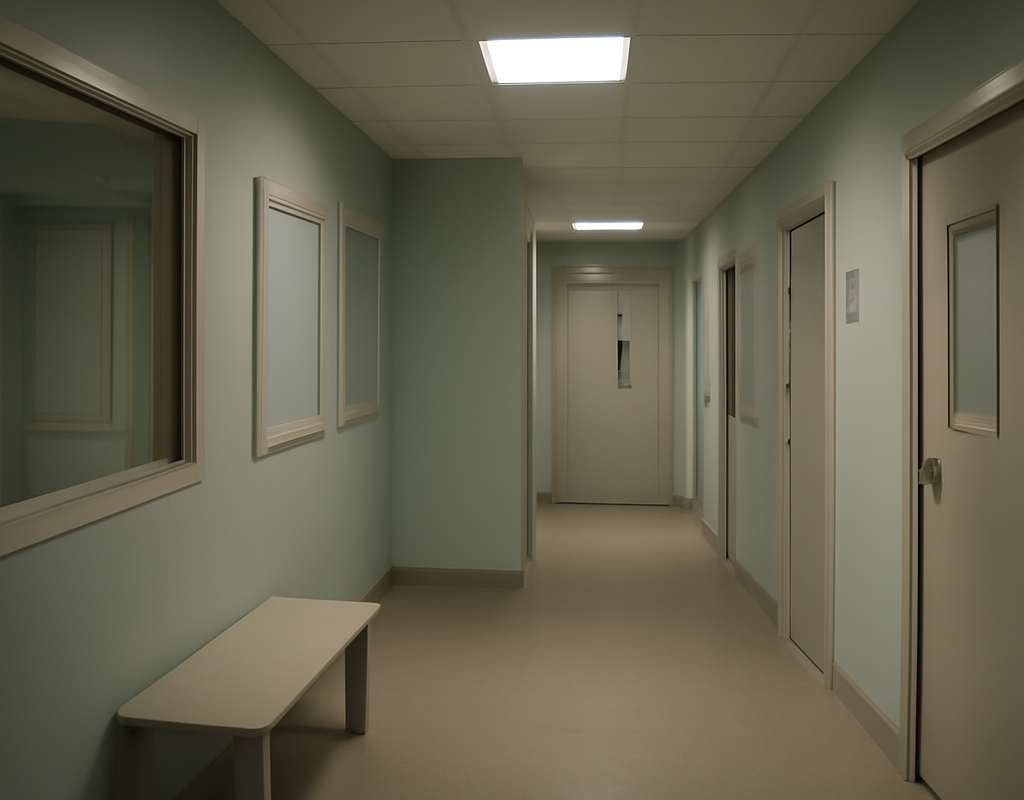
Tusla secure care beds are at the centre of a developing child-protection story in Ireland, with concerns about whether enough specialist placements are available for young people who require intensive supervision and support.
What is happening with Tusla secure care beds?
Tusla, Ireland’s Child and Family Agency, is responsible for arranging care and protection services for children and young people who cannot safely remain at home. Secure care is used in the most serious and complex cases, where a child may face an immediate risk of harm or may be considered at significant risk of absconding.
The issue highlighted in the source report is the availability of suitable secure care beds. When capacity is limited, children can face delays before being placed in an environment designed to meet their specific needs. The shortage also places additional pressure on social workers, residential care teams and other public services.
Why secure care provision matters
Secure care is not the same as ordinary residential accommodation. It involves a highly structured setting, enhanced staffing and close oversight. Placements may be considered where a young person’s behaviour, vulnerability or circumstances create serious safety concerns.
These placements are intended to provide protection, stabilisation and access to therapeutic support. They must also operate within Ireland’s child-care law and safeguarding framework, with decisions focused on the best interests and welfare of the child.
Children affected by delays
A lack of suitable beds can have several consequences:
- Young people may remain in temporary or unsuitable arrangements for longer than intended.
- Social workers may have fewer options when responding to urgent safeguarding concerns.
- Existing residential services can experience greater pressure and more complex caseloads.
- Families may face uncertainty while assessments, court processes and placement decisions continue.
Each case is individual, and a secure placement is only one part of a wider care plan. However, the availability of appropriate accommodation is essential when professionals conclude that ordinary arrangements cannot provide adequate protection.
Follow further public-service developments and child-welfare coverage at DailyDigest.ie.
Tusla’s wider responsibilities
Tusla manages a broad range of services, including child protection, family support, foster care, adoption and residential care. Its work often involves coordination with An Garda Síochána, the HSE, the courts, schools and community organisations.
Secure care decisions can require detailed risk assessments and legal oversight. Professionals must balance a child’s immediate safety with their rights, education, health needs and longer-term welfare. That makes capacity planning particularly important: beds must be available, but they must also be staffed and equipped for the needs of the children who use them.
The Irish child-care context
Pressure on secure care beds forms part of broader concerns about capacity across Ireland’s child-protection system. Residential placements, emergency accommodation, foster-care availability and specialist therapeutic services all affect how quickly a child can move into an appropriate setting.
Where demand exceeds supply, agencies may need to rely on interim arrangements while searching for a suitable placement. Such arrangements can be difficult for children and staff, particularly when a young person has complex mental-health, behavioural or medical needs.
The challenge is not simply the number of beds. Effective secure care also depends on trained personnel, clinical support, education provision, safe facilities and clear transition plans for when the placement is no longer required.
What happens next?
The immediate focus will be on the availability of placements and the measures being taken to address any capacity gap. Further information from Tusla or the Department of Children, Disability and Equality may clarify the number of beds available, projected demand and plans for additional provision.
Families directly affected by a placement decision should continue to work with their assigned social worker and seek appropriate legal or advocacy advice where necessary. Members of the public should not share identifying details about children involved in care proceedings or child-protection cases.
Frequently asked questions
What are Tusla secure care beds?
They are specialist placements for children and young people who require a highly supervised environment because of serious safety or welfare risks.
Is secure care the same as detention?
No. Secure care is a child-welfare intervention, although it involves restrictions on movement. Its purpose is protection and care rather than punishment.
Who decides whether a child needs secure care?
Decisions depend on professional assessments and the relevant legal process. Social workers, care teams and the courts may all have roles, depending on the circumstances.
Why can’t a standard residential placement always be used?
Some children require levels of supervision, staffing or therapeutic support that ordinary residential services cannot safely provide.
Why this story matters
The availability of Tusla secure care beds is a practical measure of how prepared Ireland’s child-protection system is to respond to its most urgent cases. A safe placement can give a vulnerable young person stability and specialist help; a delay can increase pressure on the child, their family and frontline services.
As this Breaking News story develops, the key questions will be whether enough suitable beds are available, how quickly additional capacity can be created and whether children receive consistent care while decisions are being made. The central priority remains clear: vulnerable young people must have access to safe, appropriate and properly supported care.