




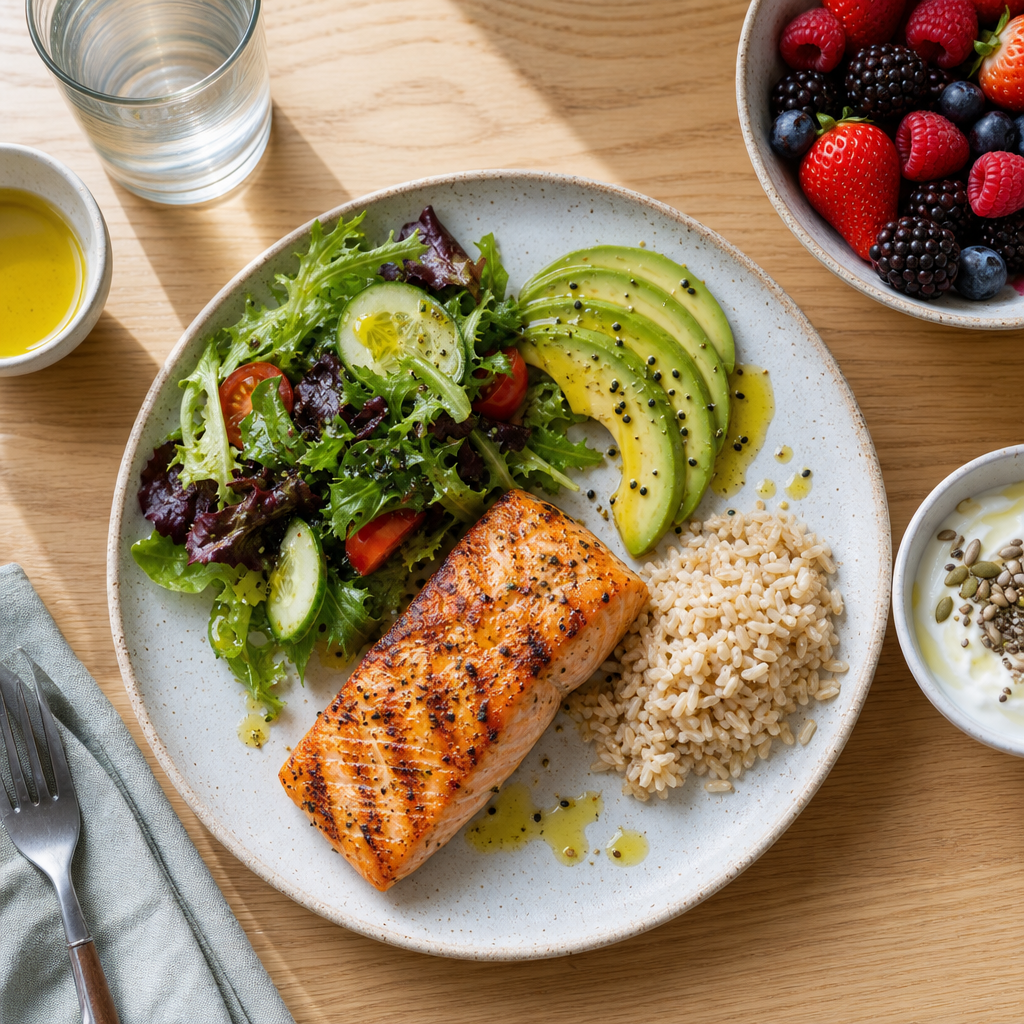
Many people dealing with afternoon slumps, constant snacking and low mood are often looking for quick fixes, but one nutrition strategy stands out for being simple and practical. This breaking news ireland health feature looks at how changing the balance on your plate may help reduce sugar cravings, improve focus and support more stable energy through the day.
Rather than relying on willpower alone, nutrition experts say the real goal is to keep blood sugar levels steadier. When meals are built well, they can help you feel fuller for longer, avoid sudden dips in energy and reduce the urge to reach for biscuits, chocolate or sugary drinks between meals.
Why blood sugar balance matters for energy and appetite
Stable blood sugar plays an important role in how you feel physically and mentally. Big spikes and crashes can leave people tired, irritable, hungry and more likely to crave sweet foods. Over time, poor blood sugar control may also affect wider health, including metabolic health and risk factors linked to chronic disease.
In practical terms, when a meal is too heavy in refined or oversized carbohydrate portions and too low in protein, fibre and healthy fat, it is less likely to keep you satisfied. That can trigger a familiar pattern:
- Energy dropping by mid-afternoon
- Cravings for sugary snacks
- Difficulty concentrating
- Feeling hungry soon after eating
- Late-night grazing or overeating
The plate trick: build meals around three key stabilisers
The central idea is straightforward: each meal should contain protein, fibre-rich plant foods and healthy fats, while carbohydrate portions should be kept sensible. This is the type of practical advice often gaining traction across latest news ireland wellness coverage because it is realistic for everyday life.
1. Prioritise protein
Around a quarter of the plate can come from protein sources such as chicken, fish, eggs, Greek yoghurt, cheese, tofu, beans, nuts or seeds. Protein helps support fullness and can slow the release of sugar into the bloodstream.
2. Add fibre-rich foods
Vegetables, fruit, pulses and wholegrains provide fibre, which supports digestion and can help prevent sharp rises in blood sugar. Filling more of the plate with vegetables is one of the easiest changes people can make.
3. Don’t skip healthy fats
Olive oil, avocado, nuts, seeds and oily fish can also improve satisfaction after meals. Including these foods may make it easier to cut back on unnecessary snacking later in the day.
4. Keep carbohydrates in check
Carbohydrates are not the enemy, but portion size matters. A useful rule is to keep starchy carbs to roughly fist-size and avoid “double carbs”, such as rice with naan or pasta with garlic bread. Swapping just a little can make a big difference, like having more chilli and less rice, or more bolognese and less pasta.
Read more: ireland health news | irish news today | latest ireland updates
Why lunch could be the most important meal for avoiding cravings
One of the biggest mistakes people make is eating too little at lunchtime. A light lunch that lacks protein and fibre often leads to the classic afternoon search for tea, biscuits or chocolate. A more substantial midday meal may provide the fuel needed to stay energised and focused for the rest of the working day.
Good lunch ideas include:
- A large salad with mixed vegetables, protein and olive oil dressing
- Greek yoghurt with berries, seeds and a low-sugar granola for breakfast
- A wholemeal pitta with chicken, hummus and salad
- Rice, beans and roasted vegetables with avocado
For dinner, the same principle applies: reduce the pile of potatoes, pasta or rice slightly and increase vegetables, pulses or protein.
When to eat something sweet, if you still want it
If you feel like having dessert or a treat, it may be better to eat it immediately after a meal rather than on its own between meals. That is because the protein, fibre and fat already in the meal may help soften the blood sugar spike.
Experts also advise creating more routine around eating:
- Eat three balanced meals a day
- Limit random snacking
- Try not to eat too late at night
- Notice whether cravings follow an unbalanced earlier meal
Some people may also find short-term glucose monitoring useful for understanding how their body responds to certain foods, though individual guidance from a healthcare professional is always best.
Explore more: ireland current affairs | what happened in ireland today | ireland updates
What this means for daily health
The takeaway from this breaking news ireland report is simple: steady energy often starts with better meal balance, not stronger willpower. By building plates around protein, fibre and healthy fats, and by keeping carbohydrate portions moderate, many people may find it easier to cut cravings, stay fuller for longer and feel more consistent energy across the day.
For anyone struggling with snack attacks or energy crashes, this breaking news ireland health insight offers a practical place to start: change the plate, and the rest of the day may feel easier.
FAQs
What is the simple plate trick for sugar cravings?
It means structuring meals with protein, fibre and healthy fats first, then keeping carbohydrate portions moderate to help avoid blood sugar spikes and crashes.
Can lunch really affect afternoon cravings?
Yes. A lunch that is too small or low in protein and fibre often leads to hunger and sweet cravings later in the day.
Should carbohydrates be avoided completely?
No. The advice is to manage portion size and choose higher-fibre carbohydrate options instead of cutting them out entirely.
Is it better to snack or eat three proper meals?
Many people feel more stable with three balanced meals a day, especially when those meals contain enough protein, fibre and healthy fats.