

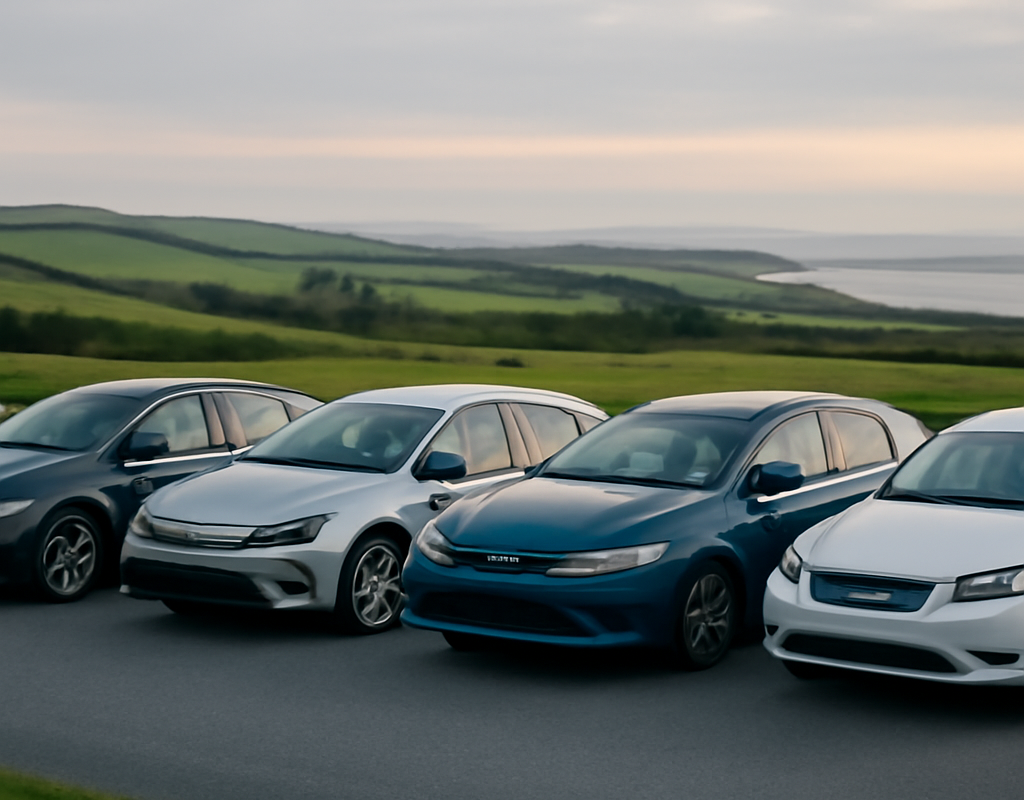
The best cars of 2026 reflect a rapidly changing market, with electric vehicles, plug-in hybrids, efficient petrol models and advanced safety technology competing for drivers’ attention. For motorists following Breaking News in Ireland, the key question is no longer simply which car is fastest or most affordable, but which model best suits everyday driving, running costs and future regulations.
Although the source material provides only the headline and subject of the original feature, the wider message is clear: choosing a new car in 2026 requires careful comparison. Range, charging access, insurance, tax, reliability and resale value can matter just as much as styling or performance.
Why the best cars of 2026 are different
The new-car market has changed significantly in recent years. Manufacturers are offering more electric vehicles, while hybrid technology has become a mainstream option for drivers who want lower fuel consumption without depending entirely on public charging infrastructure.
At the same time, buyers are seeing more technology inside vehicles. Driver-assistance systems, connected navigation, smartphone integration and over-the-air software updates are increasingly common. These features can improve convenience, but they also make it important to understand how a car works before committing to a purchase.
For Irish drivers, the strongest all-rounder may not be the model with the longest advertised range. A vehicle’s suitability depends on the owner’s location, commute and access to charging. That is especially relevant for people living in apartments or older homes where installing a private charger may be difficult.
Key points for Irish car buyers
- Electric cars can offer lower day-to-day energy and maintenance costs, but charging access is essential.
- Hybrid models may suit drivers who regularly make long journeys.
- Safety ratings and standard equipment should be checked rather than assumed.
- Insurance, servicing and depreciation can substantially change the overall cost.
Electric cars, hybrids and petrol models compared
Electric vehicles
Electric cars remain central to the conversation about the best cars of 2026. They provide quiet performance, instant acceleration and fewer moving parts than conventional petrol or diesel vehicles. Many are also well suited to urban commuting, where regenerative braking can improve efficiency.
The main considerations are purchase price, real-world range and charging convenience. Official range figures are useful for comparison, but motorway speeds, cold weather, heavy loads and heating or air conditioning can reduce the distance available between charges.
Hybrid and plug-in hybrid cars
Hybrid vehicles can be a practical compromise. A conventional hybrid does not usually require the driver to plug in, while a plug-in hybrid can cover shorter journeys using electric power before switching to its combustion engine.
However, plug-in hybrids deliver their best efficiency when charged regularly. Drivers who rarely connect the vehicle may carry the extra weight and complexity without achieving the expected fuel savings.
Petrol cars
Petrol models continue to appeal because they are familiar, widely supported by garages and quick to refuel. They may also offer a lower purchase price than comparable electric vehicles. Buyers should still consider fuel costs, emissions charges and how future policy changes could affect long-term ownership.
What makes a car one of the best choices?
Car awards and expert reviews can help narrow the field, but no single winner will suit every household. A useful shortlist should consider several factors:
- Purpose: Identify whether the car is mainly for city driving, commuting, family travel or long-distance journeys.
- Total ownership cost: Include finance, fuel or electricity, servicing, tyres, insurance and motor tax.
- Practicality: Check boot space, rear-seat room, visibility and ease of parking.
- Safety: Review independent crash-test results and the availability of active safety equipment.
- Technology: Test the infotainment system and confirm that essential controls are easy to use.
- Charging needs: Electric-car buyers should map regular routes and identify reliable charging options.
Why this matters in Ireland
The Irish market has its own practical challenges. Long rural journeys, limited charging options in some areas and high household transport costs can influence buying decisions differently from larger European markets. Dublin drivers may prioritise compact dimensions and public transport alternatives, while motorists in Cork, Galway or more rural counties may place greater emphasis on range, boot space and motorway comfort.
Changes in energy prices and the wider cost of living also mean that a car’s advertised efficiency should be treated as a starting point, not a guarantee. Keeping a vehicle for several years makes resale prospects and software support increasingly important.
Before signing a finance agreement
- Request the full repayment figure, not only the monthly payment.
- Check the annual mileage limit and excess charges.
- Compare insurance quotes for the exact model and trim.
- Ask about warranty coverage for the battery and other major components.
- Take a test drive on roads similar to your usual commute.
What happens next for the 2026 car market?
Competition is likely to remain intense as manufacturers expand their electric and hybrid line-ups. Buyers can expect continued improvements in charging speed, battery efficiency, connectivity and driver assistance. That competition may create more choice, but it can also make model comparisons harder as specifications vary between trims and markets.
Consumers should rely on current manufacturer specifications, official pricing and independent safety information when making a decision. A vehicle described as one of the best cars of 2026 should still be judged against the buyer’s actual needs and budget.
Frequently asked questions
Are electric cars the best cars of 2026?
Electric cars are among the leading choices for many drivers, particularly those with home charging and predictable daily journeys. They are not automatically the best option for every household.
Should Irish drivers choose a hybrid?
A hybrid may suit motorists who want improved efficiency but regularly travel beyond the practical reach of their local charging network. Usage patterns matter more than the badge on the bonnet.
What is the most important buying factor?
The best choice balances total ownership cost, reliability, safety, practicality and suitability for the driver’s regular routes.
Read More
Follow DailyDigest for further Ireland News, consumer updates and practical guides for motorists.
Conclusion
The best cars of 2026 are not defined by one fuel type or one headline feature. The right choice depends on how a vehicle fits into real life: where it is driven, how it is charged or refuelled, what it costs to run and how safely it carries its passengers. For Irish buyers, comparing the complete ownership picture is the clearest way to turn the latest motoring coverage into a confident decision.