

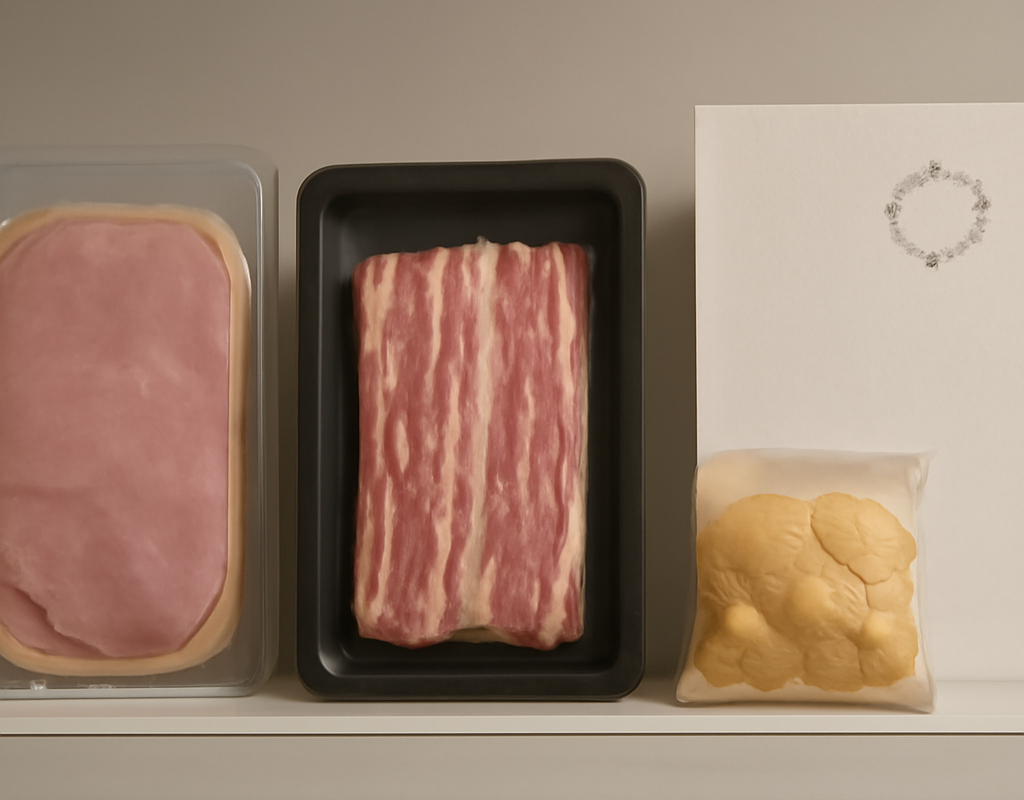
Smoke flavourings used in products including ham, rashers and crisps are set to be phased out after Kerry Group lost a legal challenge against the European Union decision. The ruling means food producers will have to move away from certain additives previously used to create or strengthen a smoky taste.
Breaking News: What the EU decision means
The case centred on a Brussels decision to phase out a number of smoke flavourings used by food manufacturers. Kerry Group, the Tralee-based ingredients company, challenged the decision in an effort to preserve the use of the substances in food production.
That challenge has now failed. As a result, manufacturers that rely on the affected flavourings will need to reformulate products, find alternative ingredients or change production methods during the transition period.
- The flavourings have been used in foods such as ham, rashers and crisps.
- Kerry Group brought a legal challenge against the EU decision.
- The challenge was unsuccessful.
- Food producers will need to reduce and eventually stop relying on the affected flavourings.
Why smoke flavourings are being phased out
Smoke flavourings are ingredients designed to provide a smoky taste or aroma without necessarily exposing food to traditional smoking. They can be used in processed meat, snacks and other foods where manufacturers want a consistent flavour profile.
The EU’s decision affects the continued use of certain smoke flavouring products. The ruling does not mean that all smoked foods will immediately disappear from shops. Instead, producers must adapt as the phase-out takes effect under the European regulatory process.
The change is relevant to consumers because reformulation can affect taste, ingredients, labelling and manufacturing costs. However, the source information does not indicate that products currently available have been ordered off shelves or that an immediate shortage is expected.
Impact on Kerry Group and Irish food producers
Kerry Group has been a significant supplier of ingredients and flavour technologies to food manufacturers. Its challenge reflected the importance of smoke flavourings to companies seeking to produce stable, recognisable flavours at scale.
With the legal route unsuccessful, manufacturers will have to review their product lines and supply arrangements. The practical response may differ from one product to another, depending on the formulation and the role played by the flavouring.
Food businesses may now need to:
- Test replacement ingredients or alternative flavour systems.
- Review recipes for processed meats and snack products.
- Update packaging and ingredient declarations where formulations change.
- Assess potential effects on production costs and consumer pricing.
- Confirm compliance with EU food-safety and marketing requirements.
For Irish manufacturers, the decision is part of a wider regulatory environment in which food ingredients, additives and processing methods are subject to European assessment and authorisation rules.
Follow DailyDigest for further Ireland News, Consumer News Ireland and business updates as food producers respond to regulatory changes.
What consumers should expect
Consumers are unlikely to see an overnight change across every brand. The phase-out will require producers to make changes within the timetable established by the EU decision, so products may be reformulated at different times.
Possible changes could include a different smoky flavour, revised ingredient lists or new production techniques. Some products may continue to use traditional smoking processes where permitted, while others may rely on alternative ingredients.
Shoppers who want to track changes should check the ingredient information on packaging rather than assuming that a familiar product has remained identical. Any legally required labelling changes should appear on updated packs as manufacturers complete reformulation.
Why the legal challenge mattered
The challenge was significant because a successful outcome could have allowed continued reliance on the disputed flavourings. Its failure removes that possibility and gives greater certainty to the EU phase-out process.
It also illustrates how regulatory decisions can affect the entire food chain, from ingredient suppliers and manufacturers to retailers and consumers. A decision made at EU level can influence recipes and production practices in Irish kitchens, factories and supermarkets.
What happens next?
The next stage will focus on implementation. Food producers will need to plan for the end of the permitted use of the affected smoke flavourings and demonstrate that replacement formulations comply with applicable rules.
The main developments to watch are:
- How manufacturers adjust recipes and processing methods.
- Whether product labels change as ingredients are replaced.
- Any commercial announcements from Kerry Group or affected food companies.
- How retailers manage reformulated products during the transition.
The available information does not establish the exact timing for every product or identify all brands affected. Further details are expected to depend on the regulatory timetable and individual manufacturers’ plans.
Frequently asked questions
Which foods use smoke flavourings?
The reported examples include ham, rashers and crisps. Other products may also be affected, depending on their ingredients and manufacturing processes.
Will all smoked foods be banned?
No. The decision concerns certain smoke flavourings. It does not mean that every smoked food or every smoking method is prohibited.
Will shoppers notice an immediate change?
Not necessarily. Producers will adapt over time, and different products may change at different stages of the phase-out.
Why was Kerry Group involved?
Kerry Group, headquartered in Tralee, supplies ingredients and flavour solutions to food manufacturers. It challenged the EU decision affecting the use of certain smoke flavourings, but the challenge was unsuccessful.
Conclusion
This Breaking News development puts the European phase-out of certain smoke flavourings on a clearer path. Kerry Group’s failed challenge means producers of ham, rashers, crisps and other foods must prepare for alternative ingredients or processes. For consumers, the likely impact will be gradual changes to recipes, labels and flavour rather than an immediate disappearance of familiar products. Further Ireland News updates will be important as manufacturers reveal how they intend to comply.