

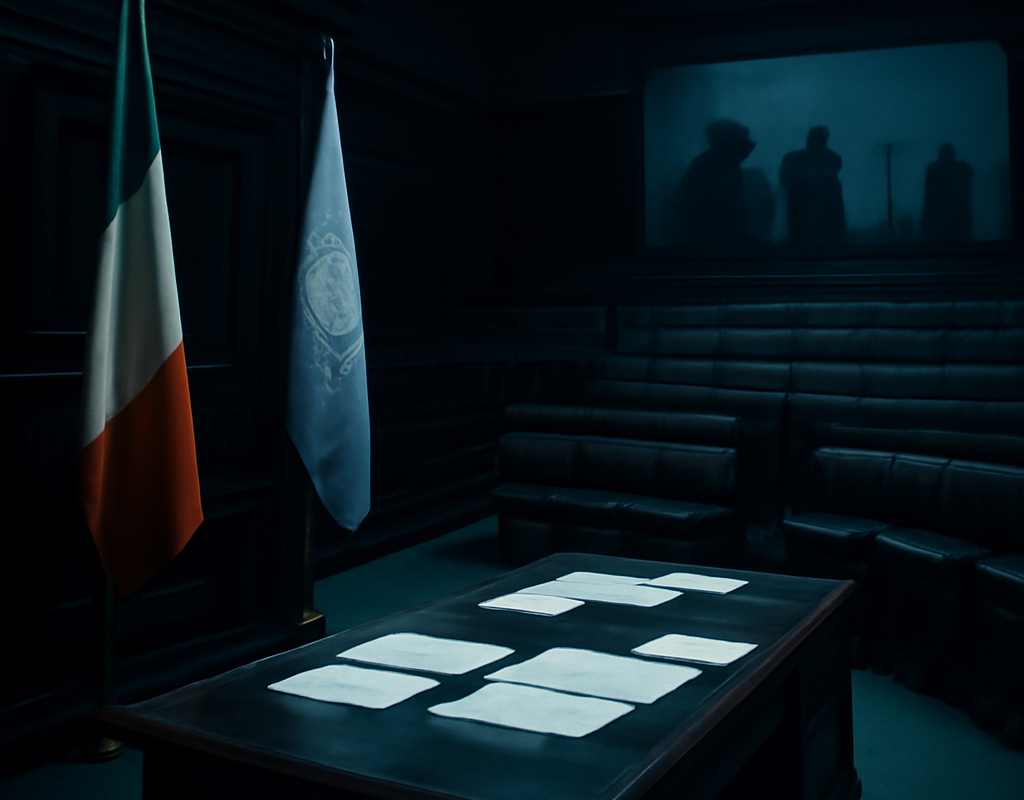
Ireland’s triple lock reform debate has moved into sharper focus after Minister for Defence Thomas Byrne and Sinn Féin set out opposing positions on the future of the mechanism governing overseas deployments by the Defence Forces.
What is happening in Ireland’s triple lock debate?
The dispute centres on whether Ireland should retain, change or remove the so-called triple lock. The system currently requires three forms of approval before Irish military personnel can take part in certain overseas missions: a decision by the Government, approval from Dáil Éireann and authorisation from the United Nations.
The issue has become a significant question in Irish politics because it links Ireland’s traditional military neutrality with decisions about international security, peacekeeping and the State’s relationship with the United Nations.
Why the triple lock matters
Ireland has long presented its Defence Forces as a contributor to international peacekeeping rather than a conventional military alliance structure. The triple lock is intended to ensure that overseas deployments receive political scrutiny and have an international legal or diplomatic basis.
Supporters of the existing arrangement argue that it protects democratic oversight and preserves Ireland’s independent foreign policy. Critics say the requirement for UN approval can delay or prevent action when the Security Council is divided or when an urgent international response is needed.
That disagreement has created a difficult balance for policymakers. Any reform could affect how quickly Ireland responds to international crises, while also raising questions about parliamentary control and the country’s long-standing approach to neutrality.
Government and Sinn Féin take different positions
Thomas Byrne’s involvement places the Government’s approach at the centre of the discussion. The Defence Minister is responsible for a portfolio that includes the Defence Forces, overseas deployments and Ireland’s military contribution to international peacekeeping operations.
Sinn Féin has continued to challenge Government thinking on the matter, arguing that changes to the triple lock should not weaken democratic accountability or allow overseas deployments to proceed without sufficient safeguards.
The disagreement is not simply a technical dispute about military procedure. It reflects broader differences between the parties over Irish neutrality, foreign policy and the circumstances in which Ireland should participate in international missions.
Key questions for readers
- What is the triple lock? It is the requirement for Government, Dáil and United Nations approval in relevant cases involving overseas deployment.
- Why is reform being discussed? Supporters of change point to operational delays and changing international security conditions, while opponents stress the importance of oversight.
- Who is affected? The debate concerns the Defence Forces, the Government, opposition parties and Ireland’s future role in peacekeeping.
- Has a final change been confirmed? The available information describes an ongoing political debate rather than a completed legislative reform.
Follow further Ireland News and Irish Government developments at DailyDigest.ie.
How reform could affect Ireland’s foreign policy
A change to the triple lock could have consequences well beyond the Defence portfolio. It may influence how Ireland responds to peacekeeping requests, humanitarian emergencies and multinational security operations.
Any proposal would also be closely watched by members of the Defence Forces and by families of personnel who serve overseas. Clear rules are important when decisions involve operational risk, international commitments and the deployment of Irish troops.
For the public, the central issue is accountability. People will want to know who makes the final decision, what safeguards remain in place and whether the Dáil retains a meaningful role before Irish personnel are sent abroad.
What happens next?
The next stage is likely to involve continued political discussion and scrutiny of any detailed reform proposal. Debate may take place in the Dáil, through committee work and in wider consultations on Ireland’s defence and foreign policy.
No change should be treated as final until the Government publishes a clear proposal and the relevant legal or parliamentary steps are completed. Until then, the triple lock debate remains a developing story within Irish politics.
Why this is important in Ireland today
The argument over the triple lock comes at a time when governments across Europe are reassessing defence policy and international security. Ireland must decide how to remain faithful to its traditions while responding to a more uncertain global environment.
That makes the issue one of the important Ireland Headlines to watch. The eventual outcome could shape the country’s military neutrality, parliamentary oversight and role in future international missions.
Conclusion
Ireland’s triple lock reform debate is fundamentally about who should authorise overseas military deployments and what safeguards should apply. Thomas Byrne and Sinn Féin represent competing views on how Ireland should balance operational flexibility, neutrality and democratic control. For now, no final reform is confirmed, but the discussion is likely to remain a major part of Ireland’s Breaking News and political agenda as the Government’s position develops.