

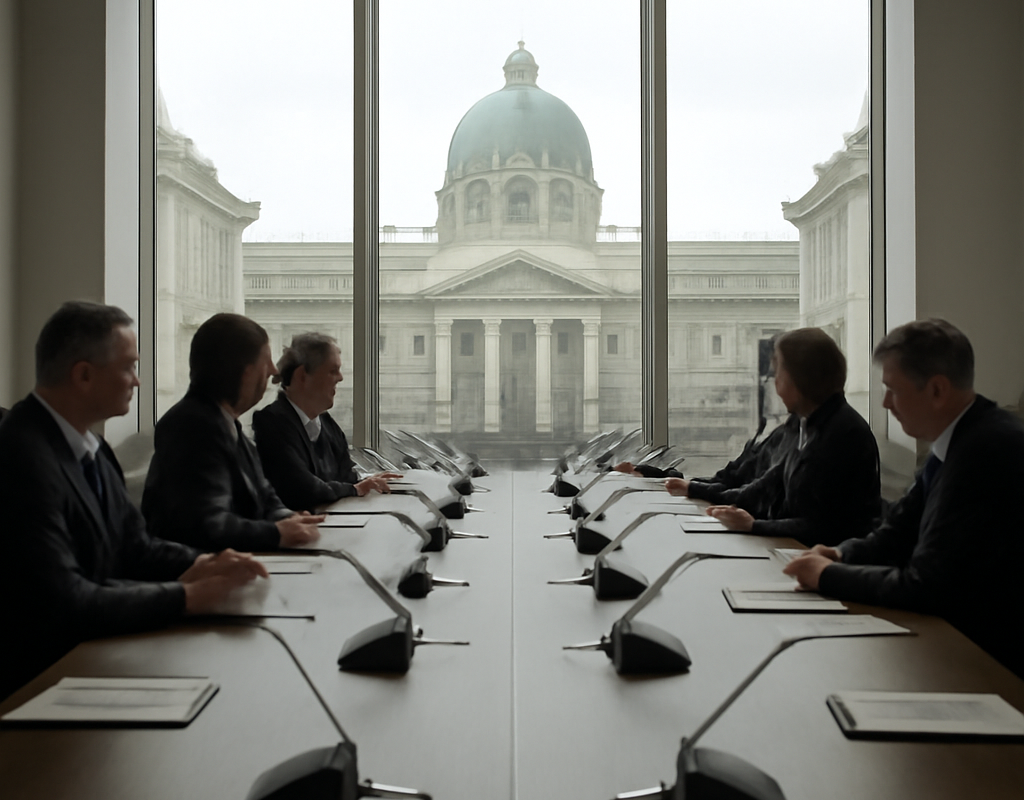
Public sector pay talks are continuing in Ireland, with unions and government representatives engaged in discussions over a possible new agreement for public servants. The negotiations are being closely watched because any deal could affect pay, working conditions and the State’s finances.
Breaking News: What we know about the pay talks
The talks concern the future framework for public sector pay. Discussions between the Government and trade unions are focused on whether a new arrangement can be reached after the current pay commitments expire or require replacement.
At this stage, the key details of any proposed agreement have not been confirmed publicly. That means issues such as the size and timing of pay increases, the workers covered and the duration of a potential deal remain subject to negotiation.
- Public sector pay negotiations are under way.
- Government and trade union representatives are involved.
- No final agreement has been confirmed in the available information.
- The outcome could affect public servants and public spending.
Why the negotiations matter
Public sector pay talks have implications beyond the negotiating room. Employees across areas such as health, education, local government, civil service administration and other public services may be affected by the final terms.
For workers, the discussions come against a backdrop of household financial pressure and changing living costs. For the Government, any settlement must be considered alongside tax receipts, departmental budgets, recruitment needs and the delivery of essential services.
The negotiations also carry wider significance for industrial relations. A clear agreement could provide certainty for employers and employees, while a breakdown in talks could increase the risk of disputes or renewed pressure for action in some sectors.
Irish Government faces competing pressures
The Irish Government must balance calls for improved pay with the need to manage public finances responsibly. Pay is one of the largest recurring costs in the State’s budget, so the eventual agreement would need to be assessed over several years rather than as a single payment.
Any settlement may also influence recruitment and retention. Public bodies have faced challenges in attracting staff in some professions, while unions argue that pay and conditions are important factors in keeping experienced workers in the public service.
What public servants will be watching
Workers and union members are likely to focus on several elements as the discussions develop:
- Pay increases: the overall value and timing of any rises.
- Duration: how long a new agreement would remain in place.
- Implementation: when changes would appear in payslips.
- Workplace issues: whether staffing, workload and conditions form part of the settlement.
- Approval: how any proposal would be presented to union members for consideration.
The precise process can vary depending on the agreement reached by the negotiating sides. A proposal may require formal review and approval before it becomes binding across the relevant parts of the public service.
For wider coverage of Irish Government decisions, public services and the cost of living, visit DailyDigest.ie.
Background to public sector pay in Ireland
Public sector pay is generally addressed through national or sector-wide arrangements involving government representatives and trade unions. These agreements can cover large groups of workers, although particular sectors may also have separate discussions about specialist issues.
Previous pay agreements have typically attempted to provide predictable increases while taking account of inflation, economic conditions and the Government’s spending plans. The current talks are therefore part of a broader pattern of negotiations that can shape public service relations for years.
What happens next?
The next stage will depend on whether negotiators can narrow their differences and produce terms that both sides can support. Further meetings may be required before any detailed offer is published.
If an offer emerges, unions would be expected to communicate the details to members and follow their own decision-making procedures. Until that process is complete, reports of progress should not be treated as confirmation that a deal has been reached.
Readers affected by the talks should rely on announcements from their union, employer or relevant Government department for information about eligibility and payment dates. News Updates may change as negotiations continue.
Frequently asked questions
Who is involved in the public sector pay talks?
The discussions involve representatives of the Irish Government and public sector trade unions. The available source information does not provide a complete list of participating organisations.
Has a new pay agreement been reached?
No final agreement is confirmed in the available information. Negotiations remain ongoing.
Will all public servants receive the same increase?
That cannot be confirmed until the terms of any agreement are published. Coverage may depend on the groups and sectors included in the final proposal.
When will workers know more?
More information should become available after further negotiations or an official announcement. Union members should also monitor direct communications from their representative organisations.
Conclusion
The public sector pay talks are an important development in Ireland’s industrial relations and public spending landscape. While negotiations are continuing and no final terms are confirmed, the outcome could affect thousands of workers and the delivery of public services. The clearest takeaway for readers is to distinguish between reported progress and an approved agreement, while watching for official updates from the Government and trade unions.