

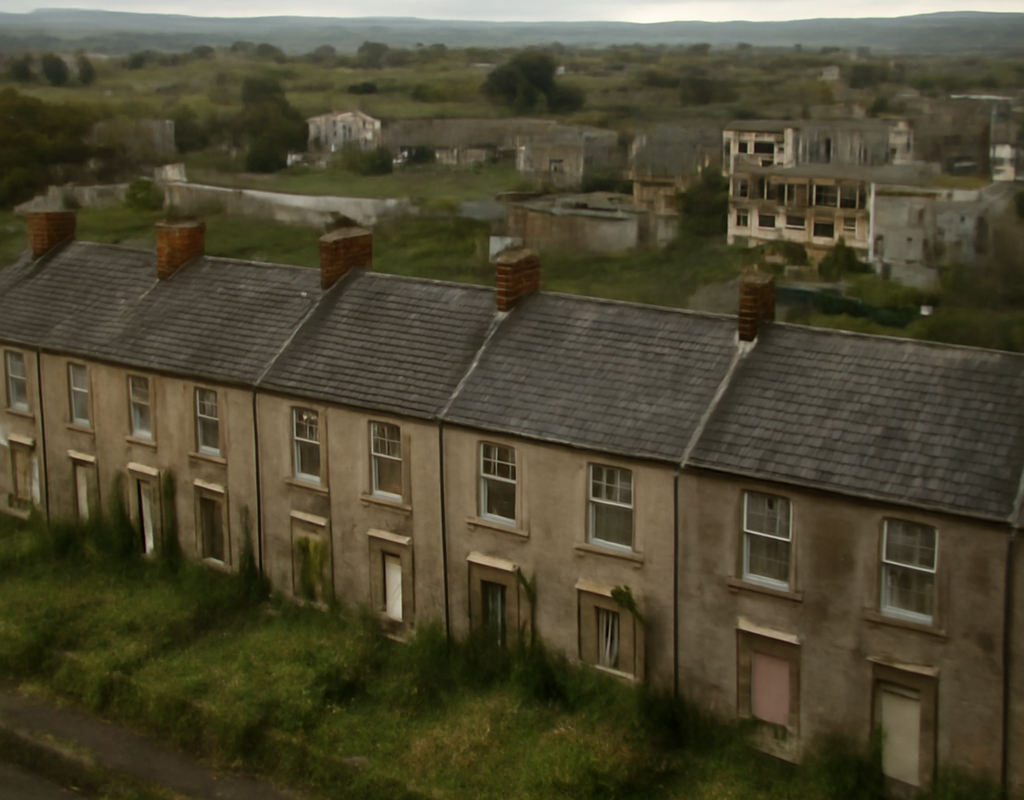
A new online register has identified more than 2,700 derelict residential properties across Ireland, highlighting a potential housing supply worth over €500 million. The website, derelictproperties.ie, brings together information from local authority registers at a time when the Government is preparing to centralise the collection of the derelict sites levy.
New derelict property website reveals national housing potential
Software engineer Michael Gannon created the website to make scattered council records easier to access. The properties listed are located throughout the State and include buildings that could potentially be brought back into residential use.
Gannon estimates that the homes could have a combined value of approximately €505 million if developed. His calculation uses estimated property values ranging from €365,000 to €510,000, with higher figures reflecting the concentration of some properties in major urban areas.
The website is intended to give prospective buyers, developers and policymakers a clearer view of the scale of dereliction. It also draws attention to differences in how local authorities record, publish and promote derelict properties.
- More than 2,700 residential properties are listed.
- The estimated potential property value exceeds €500 million.
- Owners are estimated to owe €49.5 million in levies and interest.
- A national digital register is expected to be published next year.
Why a central register matters for Ireland housing
Information about derelict buildings is currently held across individual local authority registers. The records can differ in format, detail and accessibility, making it difficult for people to identify suitable properties or compare the scale of the problem between counties.
Gannon described the existing documentation as fragmented and argued that councils should upload information using a consistent national format. A central register could provide standard details, maps and annual updates for each property.
That transparency may help buyers find buildings that are not advertised through conventional estate agents. It could also support councils and central government in tracking whether properties are repaired, sold, redeveloped or remain unused.
Derelict sites levy collection to move to Revenue
The Government is introducing legislation through the Finance Act that will give the Revenue Commissioners responsibility for collecting the derelict sites tax. From January, local authorities will be legally required to maintain derelict sites lists and send them to Revenue.
The annual levy is set at 7 per cent of the site valuation. Under the planned arrangements, owners will have until mid-2028 to pay outstanding charges accumulated under the existing system. The change follows concerns about inconsistent listing practices and the failure of some councils to collect levies effectively.
Gannon estimates that owners of the listed properties owe about €49.5 million, including interest. That figure is based on the annual levy and a monthly interest charge of 1.25 per cent on outstanding amounts. Local authorities do not currently publish the individual sums owed by property owners.
The Government’s planned national register is expected to be published next year. It will reportedly include maps and standardised information, creating a single public source for derelict property data.
What grants are available to bring properties back into use?
The register may also help potential buyers understand whether a property could qualify for support. The Vacant Property Refurbishment Grant allows eligible owners to claim up to €70,000 to restore a vacant home for residential use.
The scheme can provide up to €135,000 for the conversion of qualifying above-shop premises into housing. Gannon estimates that 62 per cent of the properties on local authority derelict lists could be eligible for a grant, although eligibility must be assessed under the official rules for each individual building.
Other measures, including the repair and lease scheme, are also designed to encourage owners to return unused buildings to the housing market. These supports are intended to provide a financial incentive, while the derelict sites tax acts as a penalty for leaving suitable properties unused.
Potential benefits for buyers
People considering a derelict property should examine more than its purchase price. Important checks include:
- Planning history and permitted use
- Structural condition and renovation costs
- Outstanding levies or legal restrictions
- Access to utilities and public services
- Eligibility for refurbishment grants
- Local authority requirements and timelines
A listing on a council register does not by itself guarantee that a property is suitable for immediate occupation or that grant funding will be approved.
Why the issue matters for the housing crisis
Ireland’s housing debate has increasingly focused on using existing buildings as well as constructing new homes. Derelict houses and vacant commercial premises can offer opportunities in towns, cities and rural communities, but bringing them back into use often involves complex ownership, planning and construction challenges.
A reliable national register could make it easier to identify patterns of dereliction and direct public funding where it is most effective. It may also improve accountability by showing whether properties remain on the list and whether local authorities are taking enforcement action.
The initiative comes as the Government seeks to make property owners act before the new tax collection arrangements take effect. Housing Minister of State John Cummins has described dereliction as a serious social problem and said owners should make use of available supports or face the financial consequences.
What happens next?
Local authorities are expected to prepare and share their derelict sites lists under the new legal framework. Revenue will then take over collection of the annual levy, while owners will have until 2028 to settle historic liabilities.
The national digital register is expected to offer maps and standard information when it is launched. Until then, derelictproperties.ie provides an independently assembled overview based on council records, but users should verify details with the relevant local authority before making financial decisions.
Frequently asked questions
How many derelict properties are listed?
The new website lists more than 2,700 residential properties across Ireland.
What are the properties estimated to be worth?
The estimated combined value is more than €500 million, with a central estimate of about €505 million.
What is the derelict sites levy?
It is an annual charge of 7 per cent based on the valuation of a derelict site. Interest may also apply to unpaid amounts.
When will Revenue collect the levy?
The Government is preparing legislation to transfer collection responsibility from local authorities to Revenue. Owners will have until mid-2028 to pay outstanding levies under the planned arrangements.
Conclusion: derelict properties could become a major housing resource
The new derelict property website gives Ireland a clearer picture of buildings that may be capable of returning to residential use. Its publication also strengthens the case for a consistent national register, transparent council records and effective enforcement of the derelict sites levy.
For buyers, developers and communities, the opportunity is significant but not automatic. Every property requires careful legal, planning and structural checks. The central takeaway from this Breaking News Ireland story is that derelict buildings may form an important part of the housing solution—but only if accurate information is matched by funding, enforcement and delivery.