

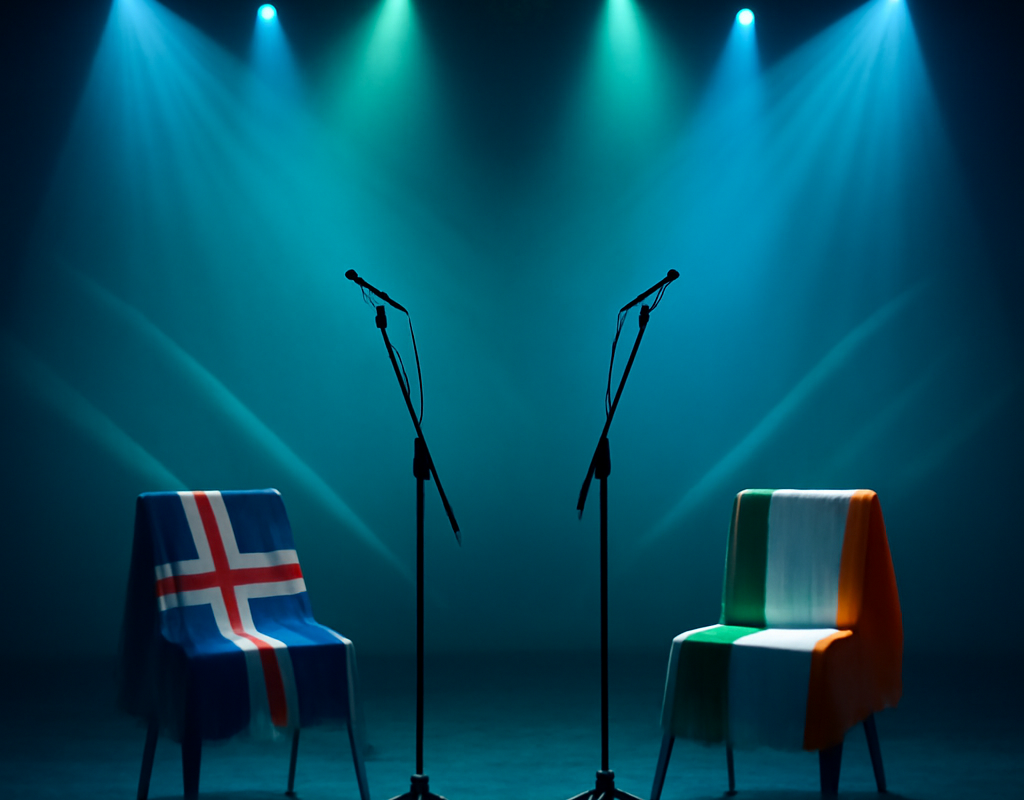
Iceland has joined Ireland in announcing a boycott of the Eurovision Song Contest, adding to growing pressure on organisers ahead of the next competition. The decision places the participation of several countries under renewed scrutiny and makes the Eurovision dispute one of the major stories in Ireland’s entertainment news cycle.
The development is still unfolding, and the precise impact on the contest will depend on further decisions by broadcasters, organisers and other participating countries. Here is what is known so far and why the boycott matters.
What happened?
Iceland has confirmed that it will not take part in the Eurovision Song Contest, following Ireland’s decision to boycott the event. The move means two countries that have traditionally been associated with the competition will be absent unless their positions change before the contest takes place.
The announcement comes amid a wider debate over whether countries should participate in an international cultural event while concerns linked to the contest remain unresolved. The issue has prompted discussion across national broadcasters, political circles and Eurovision fan communities.
Why are Ireland and Iceland boycotting Eurovision?
The boycott is connected to an ongoing dispute over participation and the standards applied to countries competing in Eurovision. Ireland’s withdrawal created significant attention because the country has a long history with the contest and remains one of its most successful participants.
Iceland’s decision adds further weight to the protest. It also raises questions about whether more broadcasters or national delegations could follow, although no wider outcome should be assumed until official announcements are made.
At this stage, the confirmed information concerns the decisions by Ireland and Iceland. Other countries may debate the issue internally, but their participation should be treated as unconfirmed unless their broadcasters or relevant authorities issue a formal statement.
Why the boycott matters for Eurovision
Eurovision is both a television event and a major international cultural platform. National broadcasters invest significant resources in selecting performers, producing entries and hosting viewing events, while fans across Europe follow the competition closely.
A boycott can therefore have several consequences:
- Political impact: It highlights disagreement over how the contest is governed and who is allowed to participate.
- Broadcasting impact: Public broadcasters must decide whether involvement is consistent with their editorial and public-service responsibilities.
- Cultural impact: Artists and fans are affected when countries withdraw from a competition built around international participation.
- Audience impact: Viewers may see changes to the line-up, public debate and the way the contest is covered.
The decisions also demonstrate how cultural events can become focal points for wider international disagreements. Eurovision’s format is designed to bring countries together, which makes withdrawals particularly visible.
Ireland’s place in the Eurovision debate
Ireland has played a central role in Eurovision history, with repeated victories and a strong domestic following. The country’s participation is closely watched by viewers, musicians and the Irish broadcasting sector.
That history means Ireland’s boycott carries more symbolic weight than an ordinary cancellation. It removes an established participant from the contest while putting the relationship between public broadcasting, cultural representation and international events under the spotlight.
The decision is also likely to feature in Irish politics and public discussion, particularly as audiences consider whether Eurovision should remain separate from international disputes or respond to them directly.
Read More
Follow DailyDigest for continuing Ireland News, entertainment coverage and major News Updates.
What does Iceland’s decision mean for other countries?
Iceland’s withdrawal may encourage other participating broadcasters to review their own positions. However, each national delegation makes its decision within its own legal, editorial and political framework.
Some countries may continue participating while criticising aspects of the contest. Others may seek clarification from organisers before deciding whether to remain involved. The result could be a period of uncertainty around the final list of entries.
It is important to distinguish between public debate and confirmed withdrawals. Until official statements are issued, reports about additional boycotts remain developing rather than established facts.
What happens next?
The next stage will involve further statements from broadcasters, contest organisers and national delegations. Attention is likely to focus on whether other countries follow Ireland and Iceland, and whether organisers announce any changes to participation rules or event arrangements.
For viewers, the practical questions are straightforward:
- Which countries will appear in the final line-up?
- Will the contest format or schedule change?
- How will broadcasters explain their participation decisions?
- Will the dispute affect voting, public viewing events or artist preparations?
Those answers may emerge gradually as the event approaches. Until then, readers should rely on formal announcements rather than unverified social media claims.
Frequently asked questions
Are Ireland and Iceland definitely boycotting Eurovision?
Based on the information available, both countries have announced decisions not to participate. Any change would require a new statement from the relevant broadcaster or delegation.
Have other countries confirmed a boycott?
The source information confirms the involvement of Ireland and Iceland in the boycott. Other countries may be considering their positions, but further withdrawals should not be treated as confirmed without official announcements.
Why is the boycott significant in Ireland?
Ireland has a long Eurovision tradition, so its absence is culturally and symbolically important. The decision also places public broadcasting responsibilities and international participation at the centre of national debate.
Could Ireland return to the contest?
That depends on future decisions by the relevant Irish broadcaster and any developments surrounding the dispute. No return should be assumed unless officially announced.
Conclusion
Iceland joining Ireland in the Eurovision boycott has turned an existing dispute into a wider challenge for the contest. The immediate question is whether more countries will withdraw or whether organisers can address concerns before the event. For now, the confirmed position is that Ireland and Iceland will not participate, while the wider Eurovision line-up remains subject to further official updates.