


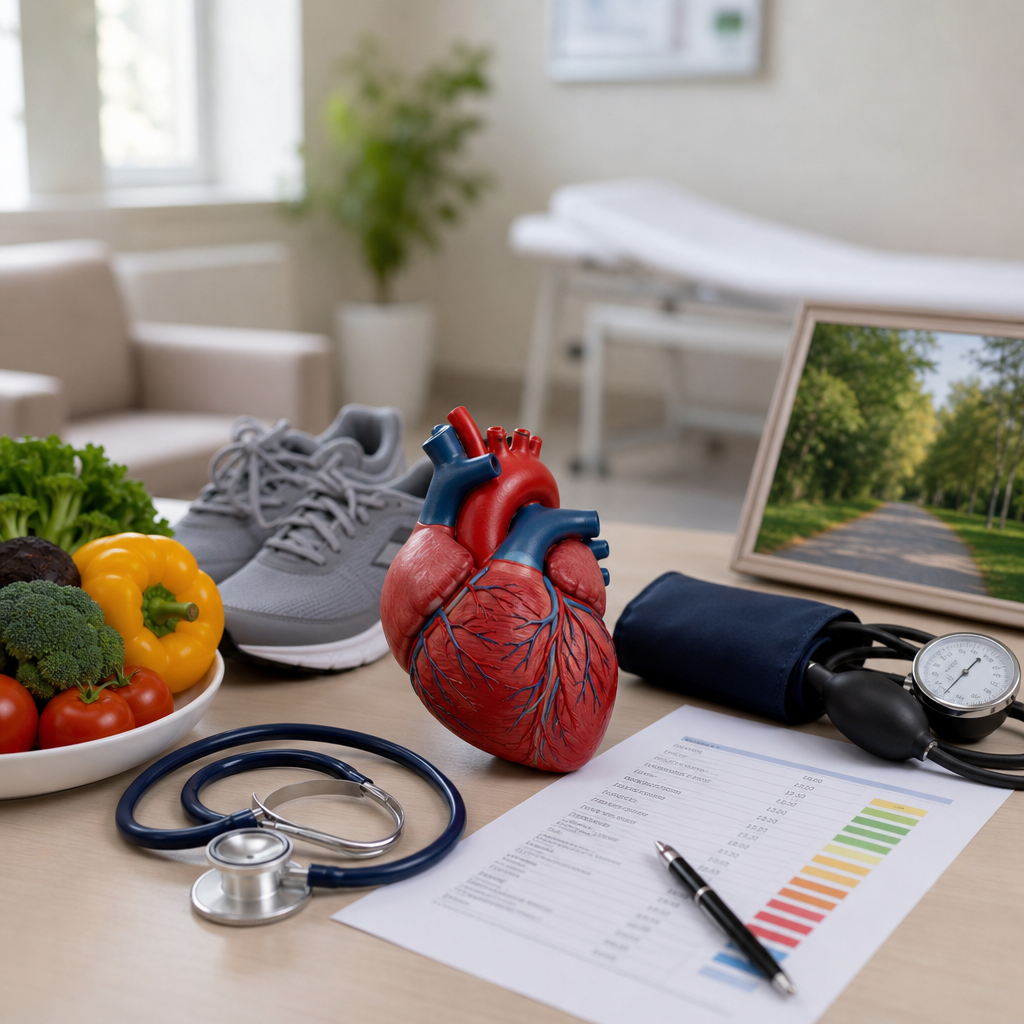
Our bodies change with age, but some of the most important shifts happen where we cannot see them. In breaking news ireland health coverage, experts are urging people to pay closer attention to how the heart ages, because small internal changes can gradually raise the risk of serious cardiovascular problems later in life.
A consultant cardiologist has outlined how the heart’s muscle, valves, blood vessels and electrical system can all be affected over time. While many of these changes are a natural part of ageing, lifestyle choices and regular screening can make a major difference in protecting long-term heart health.
How the heart changes with age
In ireland health news and wider medical reporting, doctors often stress that ageing does not affect just appearance or mobility. The heart also undergoes gradual structural and functional changes.
1. The heart muscle may become thinner
Like other muscles in the body, the heart can lose mass over time. Ageing may lead to a slight reduction in muscle thickness, which usually develops slowly. This does not always cause immediate problems, but it is one of the ways the cardiovascular system reflects the ageing process.
2. Heart valves can wear down
One of the best-known age-related heart issues is aortic stenosis. This happens when the aortic valve becomes stiffened, often because of calcium build-up and long-term wear and tear. When the valve does not open properly, blood flow from the heart to the rest of the body becomes restricted.
That can eventually cause symptoms such as:
- Breathlessness
- Chest discomfort
- Dizziness
- Fatigue during activity
3. Arteries and blood vessels become stiffer
Stiffening of the aorta and other blood vessels is another major feature of ageing. This can place extra strain on the heart and is linked to a higher risk of stroke and cardiovascular disease. It is one reason blood pressure becomes especially important to monitor in midlife and beyond.
Read more:
4. The heart rate response may slow
As people get older, the heart may not increase its rate as quickly during exercise as it once did. Many people adapt well to this change, but others may notice reduced stamina or symptoms that require medical assessment. In some cases, devices such as pacemakers can help support abnormal rhythm patterns.
5. The heart’s electrical system can change
The electrical signals that control heartbeat can also become less reliable with age. This may lead to rhythms that are too slow, too fast or irregular. Some people feel palpitations, light-headedness or blackouts, while others may have no obvious warning signs at all.
6. Heart attack risk rises with age
Age remains one of the biggest risk factors for heart attack. As the years pass, the cumulative impact of cholesterol, blood pressure, smoking, diet and inactivity can increase strain on the cardiovascular system. That is why prevention becomes more important, not less, in later adulthood.
Breaking news ireland health advice: how to protect your heart
Doctors say the most effective response is to reduce the factors that accelerate heart ageing. For readers following latest news ireland and wellness coverage, the message is practical and clear.
- Stop smoking: Smoking damages artery walls and encourages plaque build-up.
- Check blood pressure and cholesterol: From age 40 onward, regular health checks are strongly advised, with older adults ideally reviewed yearly.
- Eat for heart health: Prioritise fruit, vegetables and oily fish, while reducing red meat and heavily processed sugars.
- Stay active: Daily walking and moderate exercise can help slow cardiovascular ageing and improve circulation.
Explore more:
FAQs on ageing and heart health
Is it normal for the heart to change with age?
Yes. Some changes are expected, including stiffening of blood vessels and slower heart-rate response, but they should still be monitored.
When should adults start heart health checks?
Routine checks are generally recommended from around age 40, especially for blood pressure and cholesterol.
Can exercise really help an ageing heart?
Yes. Regular physical activity supports circulation, blood pressure control, fitness and overall cardiovascular resilience.
Why this matters now
For anyone tracking breaking news ireland health developments, the takeaway is simple: ageing may be unavoidable, but neglect is not. Understanding how the heart changes over time, and acting early with screenings, movement, diet and smoking cessation, can significantly lower the risk of more serious problems in later life.