

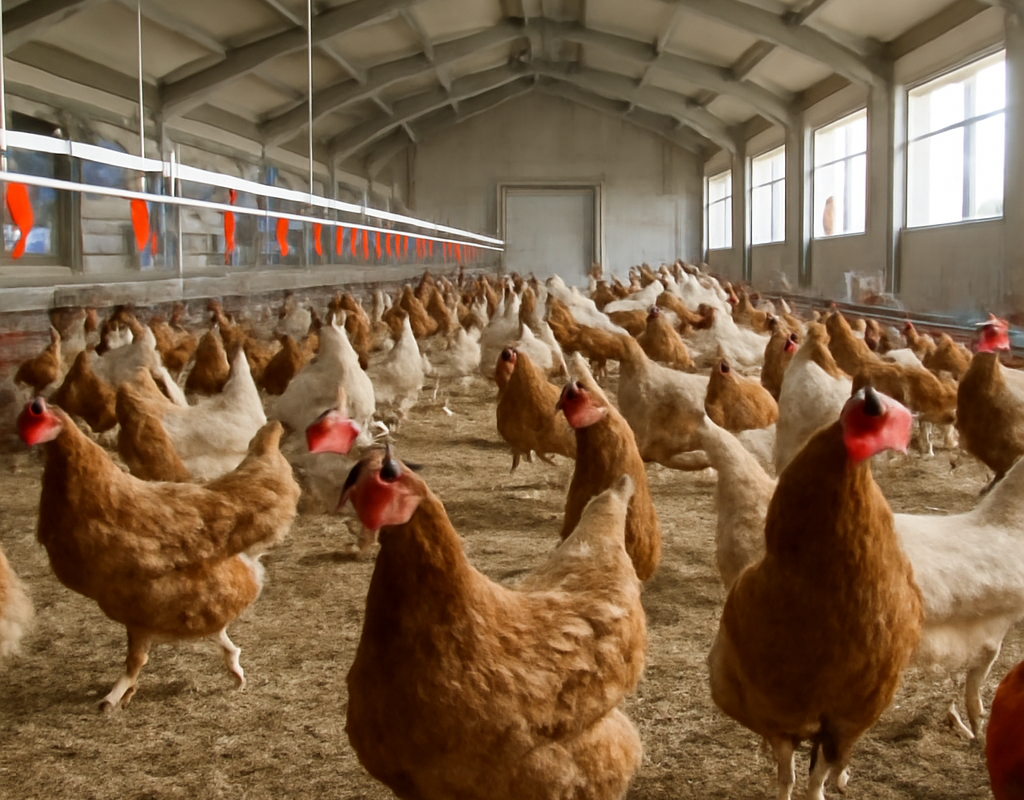
EU policymakers are considering restrictions on fast-growing chicken breeds, reopening a major debate about animal welfare, food production and the future of poultry farming across Europe. The proposal could affect producers, retailers and consumers, but the final details and timetable remain subject to the European decision-making process.
What is happening?
The European Union is examining measures aimed at limiting the use of chicken breeds selected for extremely rapid growth. These birds are commonly used in intensive poultry production because they reach market weight quickly, helping keep production efficient and meat prices competitive.
Animal welfare campaigners argue that rapid growth can place excessive strain on a bird’s legs, heart and respiratory system. They say the issue requires EU-wide action rather than a patchwork of national rules, particularly because poultry and food products move freely through the single market.
The debate does not mean an immediate ban has taken effect. Any EU measure would need to pass through the relevant legislative and regulatory procedures, with the final wording determining which breeds, farming systems and products would be covered.
Why fast-growing chicken breeds are controversial
Modern broiler chickens have been selectively bred to convert feed into body weight rapidly. That approach has helped expand affordable poultry production, but welfare groups say the biological demands placed on the birds can be significant.
Concerns raised in the debate include:
- Mobility problems caused by rapid weight gain
- Leg and joint disorders
- Heart and breathing difficulties
- Reduced activity and difficulty reaching food or water
- Higher risks where housing, stocking density or ventilation are poor
Supporters of tighter rules say slower-growing breeds can improve welfare by allowing birds more time to develop physically. Poultry producers, however, are likely to argue that changing breeds could increase feed use, land requirements and production costs.
What could the EU proposal mean for Ireland?
The issue is particularly relevant to Ireland because poultry is a major part of the domestic food supply and the country operates within the EU single market. Irish farmers and processors could face new requirements if the rules introduce breed standards, welfare thresholds or labelling obligations.
Possible effects include:
- Changes to breeding and purchasing decisions for poultry farms
- Higher costs for feed, housing and production time
- New compliance checks or welfare reporting
- Changes to supermarket sourcing and product labelling
- Potential increases in retail prices, depending on the final rules
The impact would depend on whether the EU adopts a direct ban, a performance-based welfare standard, or a phased transition. A gradual implementation period could give farmers time to adapt buildings, contracts and production systems.
Animal welfare versus food affordability
The discussion reflects a wider challenge facing European agriculture: how to improve animal welfare without making basic food unaffordable. Chicken has become an important source of relatively low-cost protein, especially as households manage pressure from the cost of living.
A move towards slower-growing breeds could raise production costs because birds may require more time, feed and space before reaching sale weight. Those costs could be absorbed by producers, passed through the supply chain, or reflected in supermarket prices.
Retailers and food manufacturers may also need to review imported products. If the EU introduces standards applying to chicken sold within the bloc, businesses could face questions about whether imported meat meets equivalent welfare requirements.
What happens next?
The next stage will depend on the precise EU policy route and the evidence presented by policymakers, scientists, farming organisations and animal welfare groups. Stakeholders are expected to examine the practical consequences for farmers, consumers and the wider food chain.
Readers should look for clarity on four issues:
- Whether the measure is a full prohibition or a restriction based on welfare outcomes
- Which breeds and production systems would fall within its scope
- Whether imported chicken would face the same requirements
- How long farmers and processors would have to comply
Until those details are confirmed, claims about exact price rises or an immediate change in Irish supermarket supplies would be premature.
Frequently asked questions
Has the EU already banned fast-growing chickens?
No. The reported development concerns proposed or developing EU action. A final measure would require formal decisions and clear implementation rules.
Why are these breeds used?
They are used because they gain weight quickly and can make poultry production more efficient. This can help maintain supply and keep prices competitive.
Will chicken become more expensive in Ireland?
That cannot yet be established. Prices would depend on the final policy, transition period, production costs and how retailers and suppliers respond.
What should consumers do now?
No immediate action is required. Consumers should wait for official guidance and confirmed information about any new rules, labelling changes or product availability.
The wider significance
The EU debate could influence how poultry welfare is measured across Europe. It also highlights the pressure on policymakers to balance ethical farming standards, environmental considerations, farmer incomes and household budgets.
For Ireland, the key issue will be implementation. A clear transition plan, practical support for farmers and transparent information for consumers will be important if new standards are adopted.
This Breaking News story remains developing. The central takeaway is that EU scrutiny of fast-growing chicken breeds could reshape poultry production, but no immediate ban or confirmed price change has been established. Further official decisions will determine what happens next for Irish farmers, food businesses and shoppers.