

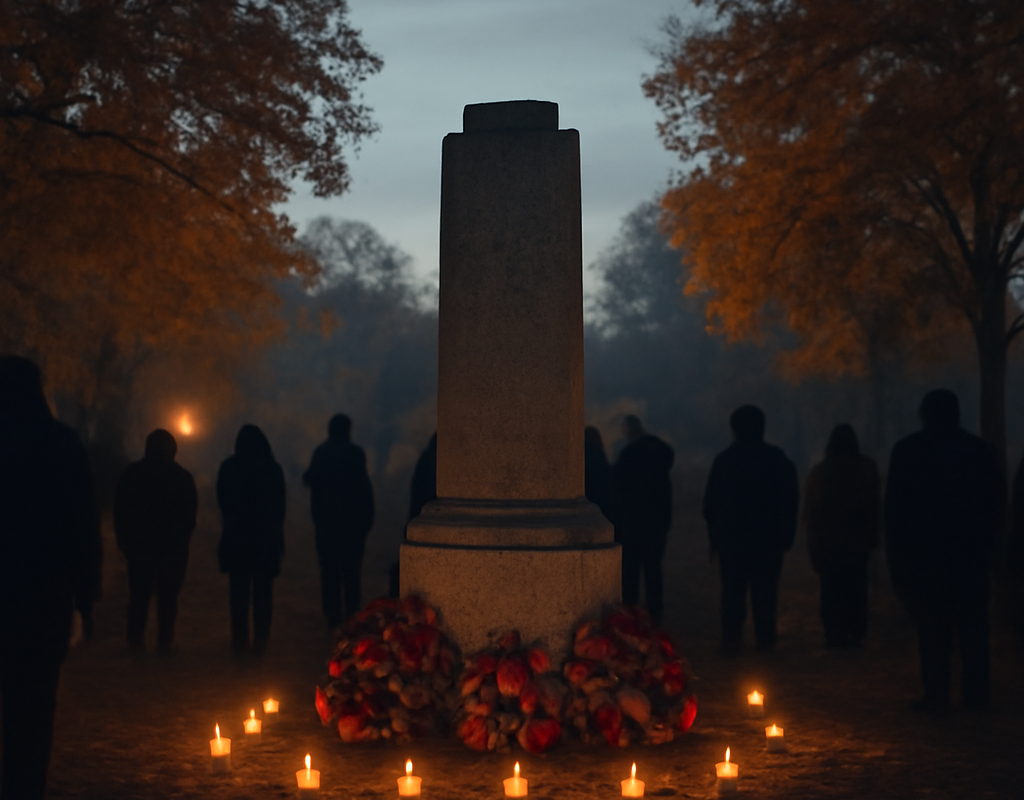
An Enniskillen remembrance event has placed renewed attention on the town’s history, the people affected by conflict and the continuing importance of public commemoration. The gathering is part of a wider pattern of remembrance across the island, where communities use anniversaries and ceremonies to honour those who died and reflect on the impact of violence.
What happened at the Enniskillen remembrance event?
The event in Enniskillen brought people together to remember lives lost and acknowledge the lasting effects of the conflict on families and the wider community. Remembrance ceremonies can carry particular significance in towns with a complex history, offering a formal setting for reflection while reinforcing the value of peace.
Details of the event are developing, and the available report does not provide a complete account of all speakers, attendees or proceedings. The central purpose, however, is clear: to remember those affected and ensure that their experiences are not forgotten.
- The remembrance event took place in Enniskillen.
- The gathering focused on those affected by conflict and loss.
- Remembrance remains an important part of community life in Northern Ireland.
- Further official details may follow as organisers publish additional information.
Why the event matters in Northern Ireland
Enniskillen has a prominent place in Northern Ireland’s modern history. Public remembrance in the town is therefore not only about marking a date; it also reflects how communities continue to live with memories of bereavement, trauma and division.
For many families, remembrance is personal. Ceremonies can provide an opportunity to honour relatives, meet others who share similar experiences and recognise the role of local communities in supporting those affected. For the wider public, they offer a chance to learn about the past without reducing it to a single political narrative.
The careful tone of such events is significant. Organisers and participants often seek to respect different identities and traditions while keeping the focus on human loss. That approach can help create space for dialogue, particularly in communities where the legacy of the Troubles remains part of everyday life.
Remembrance and reconciliation
Public memorial events can contribute to reconciliation when they acknowledge suffering clearly and avoid turning grief into a contest. They do not remove the pain associated with conflict, but they can help communities establish shared rituals for remembering.
That process is especially important for younger generations. Many people who did not experience the worst years of the Troubles still encounter their legacy through family stories, memorials, politics and local geography. Events such as the Enniskillen ceremony can help explain why remembrance continues to matter and why historical understanding must be handled with care.
Remembrance is also distinct from political debate. While history and politics are closely connected in Northern Ireland, a memorial gathering generally serves a different purpose: to place people and their families at the centre of the story.
What is known about the wider context?
Enniskillen has previously been associated with significant acts of remembrance and public mourning. The town’s history means that commemorations may attract attention beyond the local area, particularly when they involve anniversaries or events connected to the conflict.
Across Ireland and Northern Ireland, remembrance ceremonies vary in form. Some are led by civic representatives, religious leaders or community organisations, while others are organised by families and local groups. Attendance can include relatives, survivors, elected representatives and members of the public.
Although ceremonies differ, they commonly include several elements:
- Formal addresses or prayers
- Moments of silence
- Wreath-laying or floral tributes
- Music or readings
- Personal testimony and family remembrance
For further coverage of public life, communities and current affairs, visit DailyDigest.ie.
What happens next?
The next step will be the publication of any additional information from organisers or public bodies involved in the event. That may include a fuller account of the ceremony, details of those who attended and any statements issued afterwards.
Readers should rely on official updates for confirmed information, particularly where an event involves sensitive historical issues. Reports may develop as families, community groups and public representatives share further comments.
Frequently asked questions
Where did the remembrance event take place?
The event took place in Enniskillen, County Fermanagh, in Northern Ireland.
What was the purpose of the gathering?
It was held to remember people affected by conflict and loss, and to recognise the continuing impact on families and the local community.
Why is remembrance important in Enniskillen?
Enniskillen has a significant place in Northern Ireland’s conflict history. Public ceremonies allow people to honour those affected and preserve community memory.
Will more information be released?
Further details may be provided by event organisers or relevant public bodies. Confirmed updates should be checked as they become available.
Conclusion
The Enniskillen remembrance event underlines why communities continue to mark the human cost of conflict. Its importance lies not only in recalling the past, but also in creating a respectful space for families, survivors and future generations. For anyone following Breaking News from Northern Ireland, the gathering is a reminder that remembrance remains closely connected to community identity, historical understanding and the ongoing work of reconciliation.