

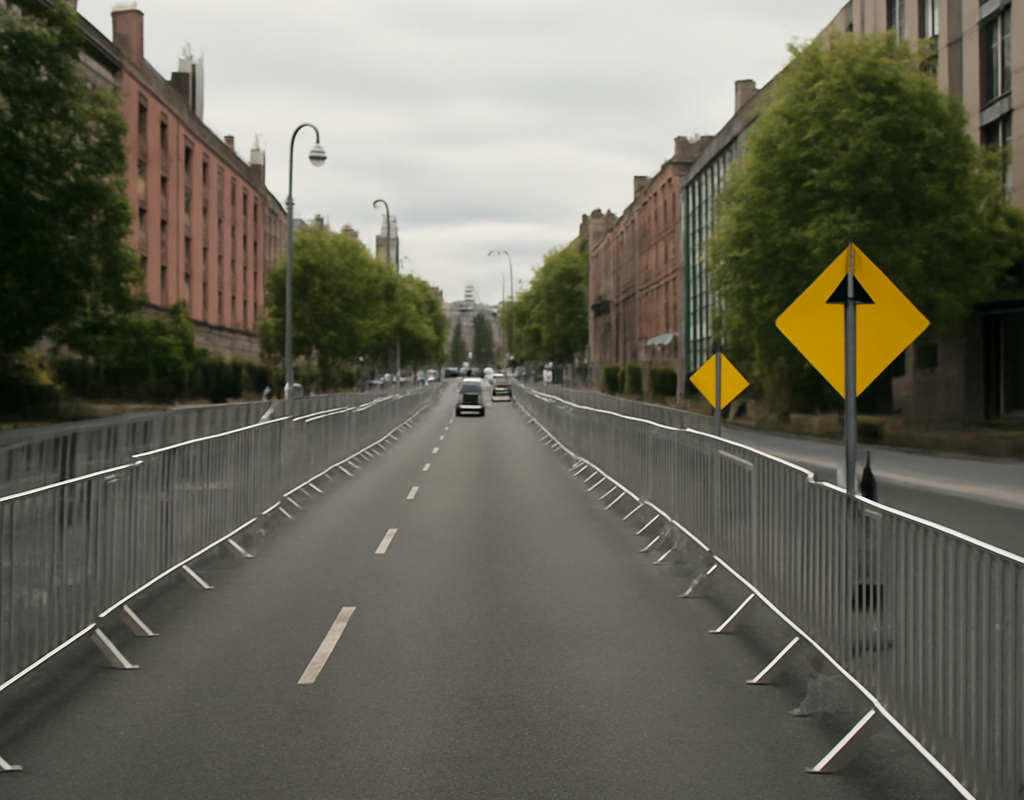
Dublin Marathon road closures will affect drivers, residents, public transport users and visitors as the event takes place across the capital. Anyone travelling through Dublin during marathon hours should plan ahead, allow extra time and check the latest official travel information before setting out.
Dublin Marathon road closures: what drivers need to know
The annual marathon requires temporary traffic restrictions along sections of the route and on nearby roads. Closures are introduced to protect runners, support event operations and allow emergency access, meaning normal journeys may take longer than usual.
Road restrictions can change throughout the day as the race progresses. Some roads may close completely, while others may operate under local diversions or limited access arrangements. Drivers should follow Garda directions, temporary signage and instructions from stewards at all times.
Who is most likely to be affected?
The disruption will be most significant for people travelling into or across Dublin by car, taxi or delivery vehicle. Residents and businesses close to the route may also experience temporary access changes, parking restrictions and delays for deliveries.
- Commuters travelling through central and south Dublin
- Residents living near the marathon route
- Taxi, delivery and commercial vehicle operators
- Visitors travelling to the city centre
- Public transport passengers affected by diversions or stop changes
Traffic diversions and travel advice
Drivers should avoid attempting to cross the marathon route unless access is confirmed locally. A journey that is normally straightforward may require a lengthy alternative route, particularly during the busiest stages of the event.
The most practical steps are:
- Check the official Dublin Marathon traffic plan before travelling.
- Use public transport where services remain available and suitable.
- Leave well before the intended arrival time.
- Do not park on roads subject to temporary restrictions.
- Keep emergency access points and junctions clear.
- Expect changing conditions as roads reopen in stages.
Navigation apps may not immediately reflect temporary closures. Official notices, Garda updates and transport-operator information should take priority over an app’s suggested route.
Follow DailyDigest for further Dublin News, Irish Traffic information and public transport updates.
Public transport and Dublin Airport journeys
Public transport is likely to be affected by diversions, altered stopping patterns and delays close to the route. Passengers should check individual operator updates before leaving home, especially if they need to connect with trains, buses or airport services.
Anyone travelling to Dublin Airport should allow additional time and consider whether road restrictions could affect a taxi, private car or airport bus journey. Passengers with flights, medical appointments or other time-sensitive commitments should plan a backup option where possible.
People travelling by rail should also check Irish Rail information before departure. While rail services may avoid many road closures, onward journeys from stations can still be affected by congestion or diversions.
Why the closures are necessary
Large road races require a controlled traffic plan because participants share roads with vehicles, pedestrians and emergency services. Temporary closures create a safer route for runners and reduce the risk of conflicts at junctions and crossings.
The arrangements also help organisers manage support vehicles, medical teams, water stations and course marshals. Roads are generally reopened progressively once runners, equipment and safety personnel have cleared each section, but reopening times can vary.
What happens next?
Traffic conditions will develop throughout marathon day. The exact impact will depend on the movement of runners, the timing of the event and how quickly crews can remove barriers and restore normal access.
Residents should monitor local notices for information about access to homes, businesses and car parks. Drivers should not remove barriers or enter closed sections, even if a road appears quiet. Restrictions remain in place until officials confirm that it is safe to reopen the route.
Frequently asked questions
When will Dublin roads reopen?
Roads will reopen in stages after the marathon route has been cleared and safety checks are complete. Reopening times may differ between locations.
Can residents cross the marathon route?
Crossing arrangements depend on the location and the live safety situation. Residents should follow directions from Gardaí, stewards and local traffic management personnel.
Should I drive into Dublin on marathon day?
Non-essential car journeys should be avoided where possible. If driving is necessary, plan an alternative route, allow extra time and check official updates immediately before departure.
Will buses and trains operate normally?
Services may operate with diversions, delays or temporary stop changes. Passengers should check the latest information from the relevant transport operator before travelling.
Key takeaway for Dublin travellers
The safest approach is to treat Dublin Marathon road closures as a planned citywide travel disruption rather than a minor delay. Check official updates, avoid the route where possible, use public transport carefully and allow plenty of time. For the latest Breaking News Ireland updates, continue monitoring trusted traffic and transport sources throughout the day.