


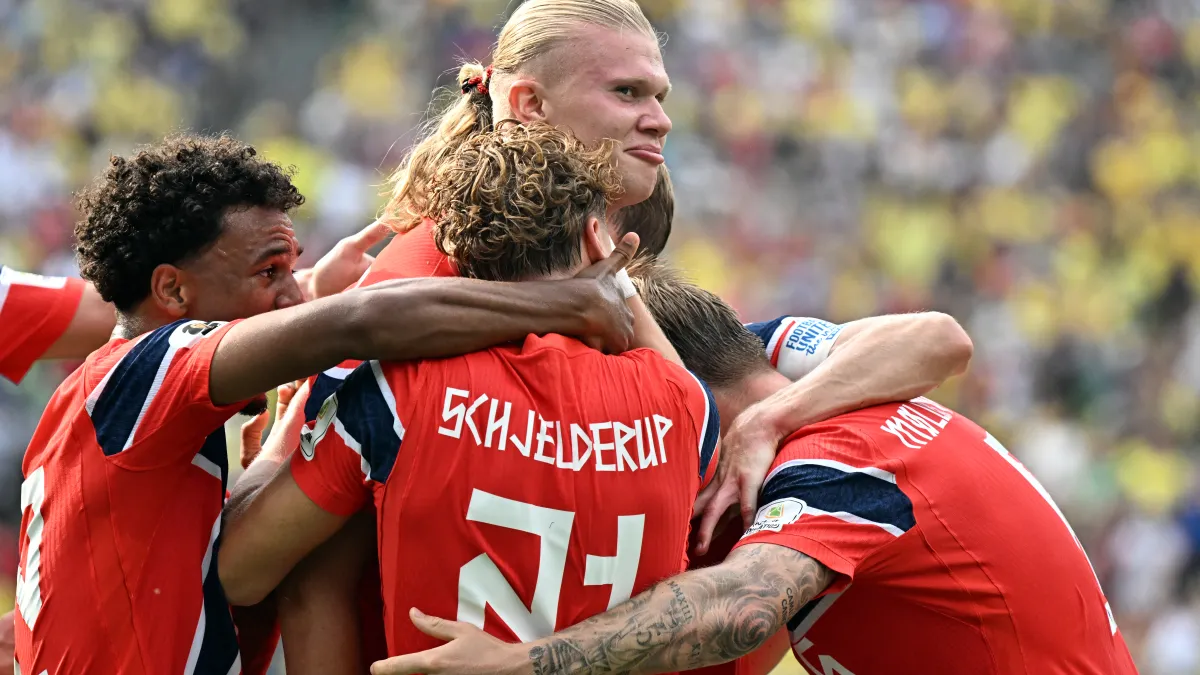
Brazil’s exit delivered one of the sharpest talking points of the tournament, not because the scoreline was unbelievable, but because the performance made it feel avoidable. In a World Cup 2026 conversation already shaped by tactical detail, big-game nerve and elite finishing, Brazil’s defeat to Norway stood out as a warning that reputation alone means very little once the match begins.
For long spells, Norway looked like the side with the clearer idea. Brazil, despite their history and attacking talent, never truly imposed themselves. Instead of dictating the rhythm, they allowed Norway to settle into possession and build confidence, a decision that turned the game into exactly the kind of contest Erling Haaland and his teammates wanted.
Why Brazil lost control
The key issue was strategic. Brazil chose a reactive setup, sitting off rather than pressing high or forcing tempo through midfield. That left Norway comfortable on the ball and able to play with patience. It also reduced Brazil’s own attacking threat, because transitions were too slow and the team often looked disconnected between defence and the front line.
There were warning signs early. Norway had moments that suggested they were not intimidated, and once that confidence grew, Brazil’s restraint started to look less like discipline and more like hesitation. For a side expected to dominate major occasions, the approach invited pressure instead of relieving it.
- Brazil conceded too much possession in central areas
- Norway found space to build attacks without sustained disruption
- The front players were isolated when Brazil tried to break forward
- The overall shape made the five-time champions look unusually cautious
That tactical imbalance mattered more than the badge on the shirt. At this level, especially with the intensity expected around the FIFA World Cup 2026 cycle, passive football can quickly become expensive.
Read more: England eye major tournament push
As the wider Football World Cup 2026 picture develops, matches like this underline how quickly momentum can shift for traditional powers.
Haaland made the difference
Elite forwards often decide tight knockout matches, and Haaland did exactly that. After a tense opening phase and a scoreless stretch that kept Brazil alive, Norway’s striker punished the space and indecision in front of him. His first goal came from strong movement and authority in the air. His second was far more emphatic, a strike that effectively sealed the result.
Brazil did pull one back late through Neymar from the penalty spot, but it felt cosmetic rather than transformative. The game had already been shaped by Norway’s control and Brazil’s reluctance to seize the initiative.
Haaland’s display also reinforced a growing theme around World Cup 2026 teams: decisive stars still matter most when systems create the right platform. Norway’s structure gave their main scorer repeated opportunities to influence the match, and he took them.
Explore: Inside the growing global football travel boom
The build-up to World Cup 2026 travel and fan planning is already accelerating as supporters track likely contenders and marquee players.
What it means going forward
For Brazil, the defeat will prompt serious reflection. Tactical caution can be useful, but only when it supports a wider plan to control territory, tempo and chance creation. Here, it seemed to do the opposite. Norway advanced because they were bolder, calmer and more coherent.
For fans following the World Cup 2026 schedule, World Cup 2026 teams and the likely World Cup 2026 knockout stage storylines, this result is a reminder that tournament football rewards conviction. Big names help, but clarity matters more.
Read more: How streaming is changing live sport viewing
That will matter even more as audiences look ahead to how to watch World Cup 2026 in Ireland and other major broadcast markets.
Final takeaway
Brazil did not simply lose a match; they were beaten by a smarter game plan and a more assertive opponent. In the road to World Cup 2026, Norway’s win will be remembered as a lesson in tactical courage, while Brazil’s approach showed how dangerous hesitation can be on the biggest stage.