The Wild Atlantic Way is one of the most spectacular journeys on the island, but for anyone passionate about Irish food, it is also a remarkable culinary route. Stretching roughly 2,500km from Malin Head in Donegal to Kinsale in Cork, this coastal drive serves up not only dramatic cliffs, islands and historic sites, but also a rich taste of Irish food, local produce and the warmth of Ireland’s food culture.
While the route is best known for its scenery, the real magic often happens at the table: seafood by the harbour, brown bread beside a chowder bowl, pub food by a turf fire and artisan finds in market towns. For travellers planning what to eat in Ireland, the Wild Atlantic Way offers an unforgettable answer.
Why the Wild Atlantic Way Matters for Irish food
The west coast captures the essence of Irish food because it connects landscape directly to plate. Fishing villages, family-run farms, island communities and market towns shape a cuisine rooted in seasonality and place. This is where visitors experience traditional Irish food in a setting that makes complete sense: Atlantic seafood against a sea view, farmhouse cheese near rolling pastures and baking that reflects generations of local skill.
The route also showcases the depth of Irish food culture through everyday hospitality. Beyond famous viewpoints such as the Cliffs of Moher, Slieve League and Connemara, the journey is defined by human moments:
- A bowl of seafood chowder recipe-style soup in a coastal café
- Fresh Irish seafood landed close to where it is served
- Hearty pub food in Ireland after a windswept walk
- Traditional baking including soda bread and brown bread
- Farm-to-fork cooking in small independent dining rooms
Must-Visit Stops That Pair Scenery With Irish Food
County Clare: Cliffs, Castles and Comfort Food
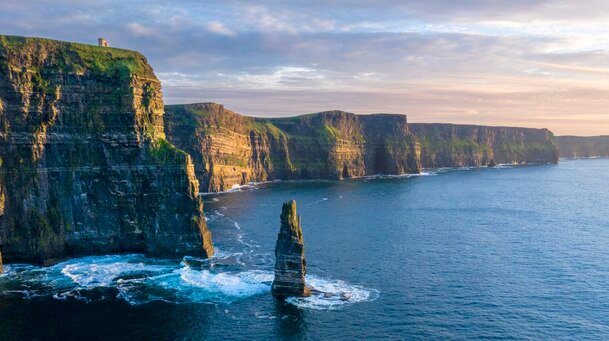
County Clare combines headline attractions like the Cliffs of Moher, Bunratty Castle and Poulnabrone Dolmen with some of the best expressions of rustic west coast cooking. Expect chowder, smoked fish, local cheeses and excellent baking Ireland travellers often remember long after the trip ends.
Galway and Connemara: Artisan Flavour on the Coast
Connemara’s lakes, mountains and quiet drama make it a natural home for artisan Irish food. Galway is also a key stop for food markets Ireland visitors seek out, with cafés, seafood spots and producers bringing local ingredients to the forefront. It is one of the strongest regions for sustainable Irish food and casual dining with serious quality.
Donegal and Sligo: Wild Landscapes, Honest Plates
From Malin Head and Glenveagh National Park to Ben Bulben and Glencar, the north-west offers a raw and beautiful backdrop for Irish food. Here, menus often lean into seafood, lamb, soups, breads and no-fuss cooking. It is ideal for travellers who value local Irish food experiences over flashy presentation.
Mayo and Kerry: Pilgrimage, Islands and Coastal Produce
Croagh Patrick, Downpatrick Head and the Skellig Islands bring adventure, while nearby towns provide the nourishment. Expect seafood Dublin-style sophistication in some places, but more often simple excellence: shellfish, smoked salmon, chowder, stews and homemade desserts Ireland visitors associate with the Atlantic coast.
What to Eat on a Wild Atlantic Way Food Trip
For travellers searching Irish food news or planning a dedicated food blog Ireland itinerary, these are the staples worth prioritising:
- Irish seafood including mussels, oysters, crab and fresh fish
- Fish and chips in Ireland style in seaside towns
- Irish stew recipe-inspired dishes and Guinness-based slow-cooked meals
- Soda bread recipe and brown bread recipe traditions served warm
- Irish dessert recipes such as apple tart with cream
- Classic Irish breakfast and the occasional full Irish breakfast before a long drive
Explore more: fine dining in Ireland | where to eat in Dublin
How to Plan a Irish food Adventure on the Route
If you want the strongest culinary experience, build your road trip around local stops rather than only major attractions. Look for:
- Harbour towns known for seafood restaurants in Ireland visitors rate highly
- Farmers’ markets in Ireland communities run weekly or seasonally
- Small bakeries and cafés with regional specialities
- Pubs offering Sunday lunch in Ireland style comfort dishes
- Independent restaurants focused on organic Irish food and sustainable sourcing
FAQ: Wild Atlantic Way and Irish food
Is the Wild Atlantic Way good for food lovers?
Yes. It is one of the best routes for discovering Irish food, especially seafood, baking, local produce and traditional Irish food.
What food is most associated with the west coast of Ireland?
Irish seafood, chowder, brown bread, pub classics, farmhouse dairy and simple seasonal dishes are strongly associated with the west coast.
Are there family-friendly food stops along the route?
Absolutely. Many towns and villages offer welcoming cafés, family meals Ireland travellers can enjoy, and casual dining suited to road trips.
Conclusion
The Wild Atlantic Way is far more than a scenic drive: it is a living showcase of Irish food, shaped by ocean, weather, history and community. From Donegal to Cork, the route offers a vivid taste of Irish food culture that feels both timeless and deeply local. For anyone planning what to eat in Ireland, this Atlantic journey proves that the country’s most memorable views often come with its most memorable meals.
Article/Image Courtesy: Ireland.com