

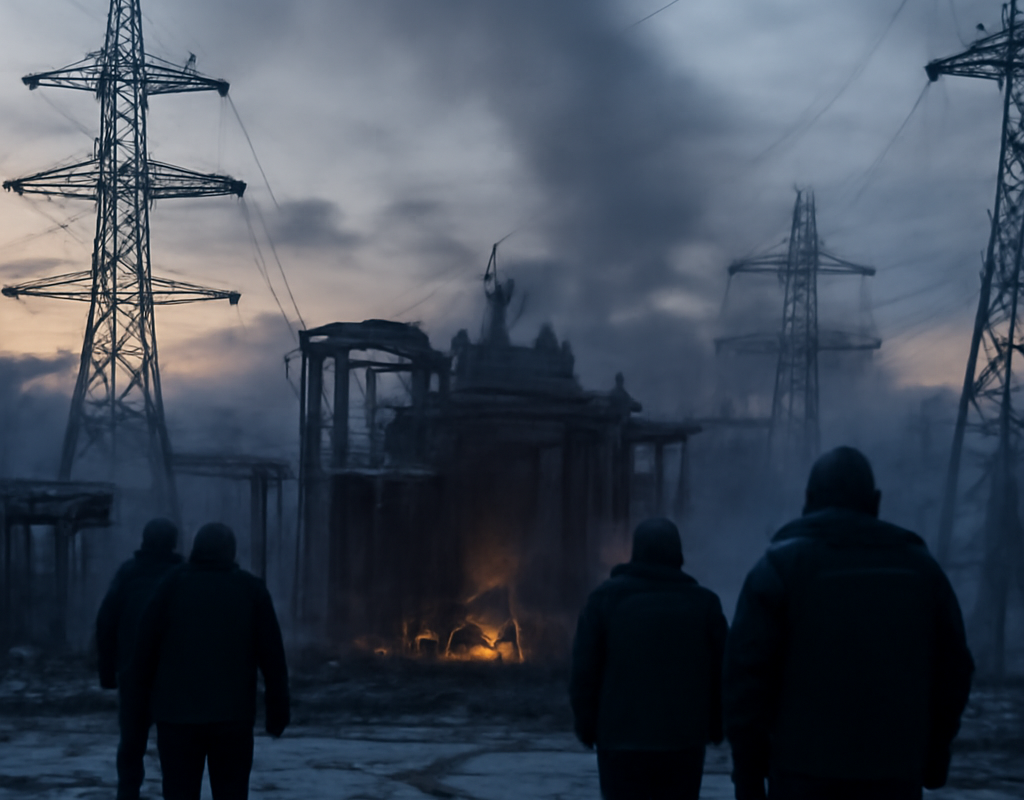
Ukraine says Russia used North Korean-made ballistic missiles in an overnight attack on critical energy infrastructure near Kyiv, leaving at least six people injured and disrupting heating and water supplies. The claim comes as Ukraine urges allies to speed up deliveries of air-defence interceptors before winter and ahead of planned talks involving Kyiv, Moscow and Washington.
What happened in the overnight attack?
Ukrainian President Volodymyr Zelenskyy said technical assessments were continuing at sites hit by ballistic missiles. According to his preliminary account, one damaged key energy facility was struck by KN-23 missiles manufactured and supplied by North Korea.
Zelenskyy said Russia launched 36 ballistic missiles at Kyiv and the surrounding region, with four intercepted. Local authorities and Ukraine’s State Emergency Service reported that at least six people, including a child, were injured.
The overnight strikes also damaged the Pivnichnyi Bridge and energy infrastructure in the Kyiv and Zhytomyr regions. A kindergarten was partially destroyed, according to Zelenskyy.
Ukraine reports damage to power and heating infrastructure
The attacks affected infrastructure linked to the electricity network serving the capital and other regions. Zelenskyy said a substation connecting the Rivne and Khmelnytskyi nuclear power plants to Kyiv was targeted, along with substations in Vinnytsia, Zhytomyr, Rivne, Kharkiv and Dnipro.
Kyiv Mayor Vitali Klitschko said the capital’s energy situation was “extremely difficult”, with interruptions affecting heating and water services. The reported damage adds pressure to Ukraine’s power system as temperatures fall and households become more dependent on reliable electricity and heat.
The full extent of the damage and the duration of the outages had not been established in the information available. Ukrainian officials said assessments were continuing.
What are KN-23 missiles?
The KN-23 is a North Korean short-range ballistic missile. The Center for Strategic and International Studies’ Missile Threat project estimates that it has a range of about 690 kilometres and resembles Russia’s Iskander-M missile.
Ukraine has previously said KN-23 missiles were used in attacks on its territory. Its defence ministry described the weapon as particularly difficult for air-defence systems to intercept.
The latest claim has been made by Ukrainian officials and was still subject to technical assessment. Independent confirmation of the origin of every missile used in the attack was not included in the available report.
North Korea’s growing military relationship with Russia
The alleged use of North Korean missiles highlights the expanding military relationship between Moscow and Pyongyang during Russia’s war against Ukraine. North Korea is also reported to have supplied ammunition and personnel to support Russian forces.
According to the source report, North Korea is believed to have sent more than 16,000 troops to support Russia since October 2024. In June of that year, Russian President Vladimir Putin and North Korean leader Kim Jong-un signed a Comprehensive Strategic Partnership Treaty.
The reported cooperation has prompted continuing concern among Ukraine and its partners about the transfer of weapons and military support between the two countries. The precise role of North Korean personnel and the scale of supplies remain matters addressed by governments and international security assessments.
Why energy facilities are being targeted before winter
Ukraine’s Foreign Minister Andrii Sybiha accused Moscow of deliberately seeking to leave millions of Ukrainians without electricity, heating and water as winter approaches. Russia has repeatedly attacked Ukraine’s energy system during winter periods, while Ukrainian officials have warned that damage to generation, substations and transmission networks can affect civilians far beyond the immediate strike zones.
Energy infrastructure is especially important during the colder months because electricity shortages can disrupt heating systems, water pumping, communications and essential public services. Ukraine has called on allies to provide more air-defence systems and interceptor missiles to protect cities and critical facilities.
The attacks also demonstrate the continuing vulnerability of infrastructure that connects electricity generation with major population centres. Damage to substations can create wider network problems even when power plants themselves are not directly hit.
Possible link to planned negotiations
Zelenskyy said the strikes could be intended to increase pressure on Ukraine’s negotiating position ahead of planned trilateral talks between Kyiv, Moscow and Washington in Abu Dhabi. That interpretation was presented by the Ukrainian president and should not be treated as an independently established explanation for the attacks.
The reported strikes underline the difficult security environment surrounding any diplomatic effort. Military attacks, damage to civilian infrastructure and the need to protect energy supplies remain central issues for Ukraine as discussions are considered.
What happens next?
Ukrainian authorities are expected to continue assessing the damage, restoring services and investigating the missiles used in the attack. The immediate priorities include:
- Repairing damaged substations and other energy infrastructure.
- Restoring heating and water services in affected parts of Kyiv.
- Assessing damage to bridges, public buildings and residential areas.
- Determining the role of KN-23 missiles through technical examination.
- Seeking additional air-defence interceptors from international partners.
For European governments, the incident reinforces the security, humanitarian and energy implications of Russia’s war against Ukraine. It also keeps North Korea’s military cooperation with Russia in focus as allies consider further support for Ukraine and possible diplomatic responses.
Conclusion
The reported use of North Korean missiles in a Russian strike on Ukrainian energy infrastructure has not only caused immediate damage near Kyiv but has also renewed concerns about winter power shortages and the international supply of weapons to the war. Ukraine’s next steps will centre on restoring essential services, verifying the missile evidence and securing stronger air-defence support as diplomatic and military pressure continues.