

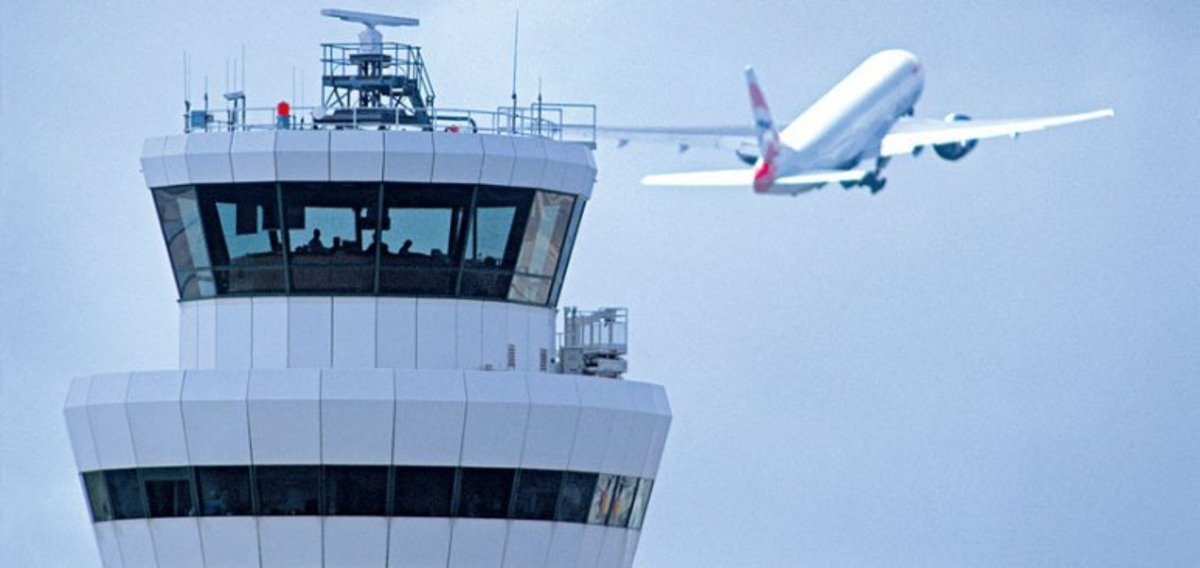
VINCI Airports handled 93.5 million passengers across its global network in the third quarter of 2026, a 0.6% decline compared with the same period last year. The figures provide a mixed picture of European airport traffic, with Budapest, Porto, Faro, Belgrade and Edinburgh recording growth while Gatwick and several Asian airports faced weaker demand.
VINCI said the uneven performance reflected geopolitical tensions, high aviation fuel prices and changes to airline capacity. For travellers, the results show how route decisions by carriers can affect individual airports differently, even when wider regional passenger numbers appear stable.
European airport traffic shows contrasting trends
Several European gateways benefited from additional services during the main summer travel period. Budapest Airport recorded the strongest increase among the highlighted European airports, handling 6.218 million passengers in the quarter, up 12% year on year.
The growth was supported by expanded Wizz Air and Ryanair connections to Southern Europe. Between January and September, Budapest handled 15.759 million passengers, an 8.1% increase compared with the first nine months of 2025.
Portugal also recorded growth across the ANA airport network, which handled 22.518 million passengers, up 2.1%. However, the national network result concealed notable differences between individual airports:
- Porto handled 5.433 million passengers, up 7.1%.
- Faro recorded 3.994 million passengers, an increase of 3.7%.
- Lisbon was broadly stable, with traffic down 0.2%.
The figures suggest that airport-level capacity and route choices remain important for travellers planning European holidays. A positive national result does not necessarily mean that every airport or route is expanding.
Budapest, Belgrade and Edinburgh benefit from added capacity
Belgrade Airport also contributed to the European gains. Passenger traffic increased 6.7% to 3.075 million during the quarter, with routes to Western Europe supporting its continued development as a regional hub.
In Scotland, Edinburgh Airport handled 5.403 million passengers, up 4.3%. VINCI linked the increase to additional capacity from Ryanair, easyJet and Jet2, particularly on services to Mediterranean destinations.
The Edinburgh result contrasts with London Gatwick, where passenger traffic fell 2.9% to 12.861 million. VINCI attributed the decline to continuing changes in the medium-haul networks operated by low-cost carriers. The fall eased during the quarter, helped by strong summer demand for Spain and five additional Jet2 aircraft based at Gatwick.
For passengers, this means that airport performance cannot be assessed solely by looking at an airline’s overall network. Additional aircraft and new routes may improve availability at one airport while schedule restructuring reduces options at another.
Asia records sharper declines
VINCI’s Japanese airport network handled 12.937 million passengers in the third quarter, down 8.8% from a year earlier. The company linked the decline to tensions between China and Japan, which continued to affect demand at its Japanese operations.
Performance varied within the network. Kansai Airport recorded a 13% fall and Itami declined by 4.4%, while Kobe Airport grew by 7.2%. This difference highlights why network-wide figures should not be treated as a measure of every airport’s performance.
VINCI’s Cambodian operations experienced a larger contraction, with traffic down 20% to 1.059 million passengers. The company attributed the result to weaker demand from China and Thailand. During the first nine months of the year, Japanese traffic was down 6.8%, while Cambodia fell 12%.
European links support growth in Cabo Verde
Cabo Verde was another growing market in VINCI’s portfolio. Passenger traffic reached 933,000 during the quarter, an increase of 5.5%. VINCI said expanded European connections, including services operated by easyJet and TAP Air Portugal, helped support the result.
Traffic for the first nine months rose 9.4% to 2.782 million passengers. The figures underline the importance of air connectivity to island destinations, where changes in seasonal services can have a significant effect on visitor access.
Global network remains broadly stable
Across the first nine months of 2026, VINCI Airports handled 252.53 million passengers, down 0.2% compared with the same period in 2025. September traffic was weaker, falling 1.5%, but the year-to-date total remained close to the previous year.
The result marks a slower phase after strong post-pandemic expansion. VINCI handled more than 318 million passengers in 2024, when traffic increased 8.5%, followed by more than 334 million passengers in 2025, a rise of 5%.
Outside Europe, Mexico’s OMA network grew 1.2% to 7.733 million passengers, while Salvador Bahia in Brazil increased 4% to 2.141 million. Aerodom in the Dominican Republic recorded growth of 4.9% to 1.697 million. Santiago Airport in Chile declined 2.2% to 6.369 million, with fuel costs and southern-hemisphere winter schedule changes affecting traffic.
What the figures mean for travellers
The latest Europe travel news from VINCI does not indicate a general airport closure or widespread flight disruption. Instead, it shows how airline capacity, seasonal planning and market conditions are shaping passenger flows at individual gateways.
Travellers should therefore check the airport and airline operating their specific journey rather than relying on regional averages. Before departure, it is sensible to:
- Confirm the flight status directly with the airline.
- Check the airport’s departures or arrivals information.
- Allow extra time if travelling through a busy summer gateway.
- Review any schedule-change or rebooking message before leaving for the airport.
For people travelling from Ireland, the figures may be useful when comparing European departure airports and seasonal route availability, but they do not confirm the status of any individual service from Dublin, Cork or another Irish airport.
Conclusion
VINCI Airports’ third-quarter figures show a divided European aviation market: Budapest and Portuguese airports gained passengers as airlines added capacity, while Gatwick faced network changes and several Asian operations recorded sharper declines. The most useful takeaway for travellers is to check the status of the specific airline, airport and route involved, because broad Europe travel news figures do not determine whether an individual flight will operate.