


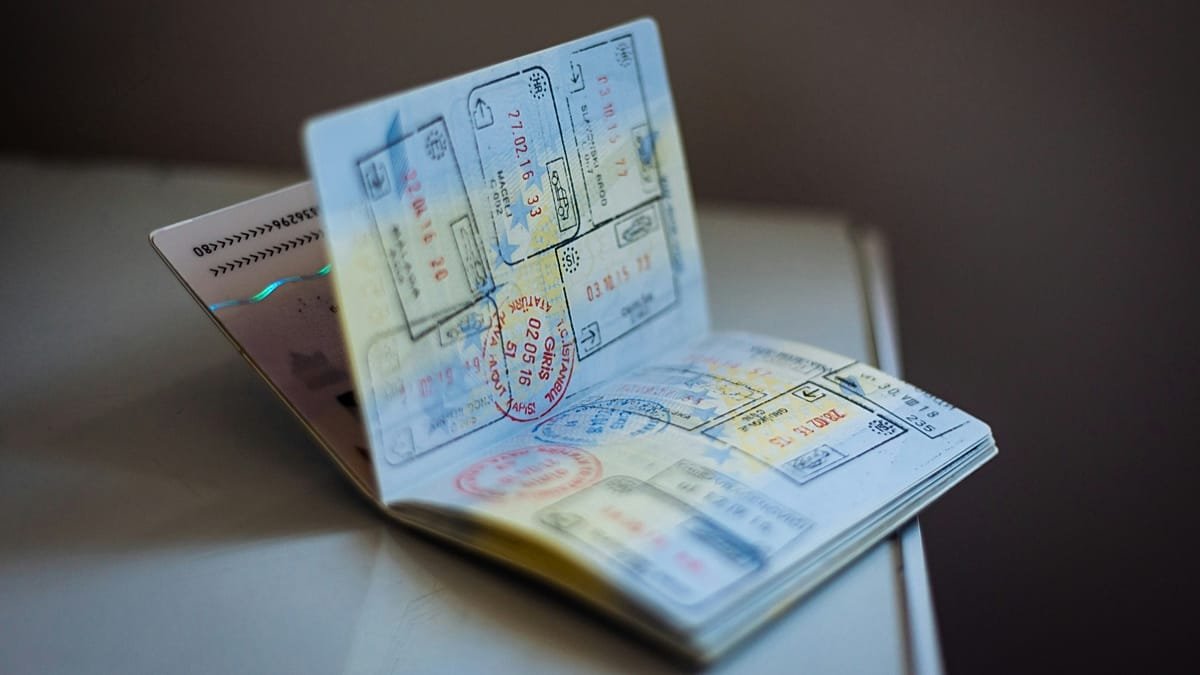
Europe’s grip on the strongest passports ranking has tightened again in 2026, with nine of the world’s top 10 passports now coming from European countries. The latest Global Passport Index shows that passport power is no longer judged only by visa-free travel, but also by quality of life, economic appeal and broader living standards.
The new ranking, published by Global Citizen Solutions, places Sweden at number one, followed by Switzerland and Finland. While Singapore remains a global mobility leader and is the only non-European country in the top 10, Europe stands out for combining strong travel access with high scores in safety, healthcare, social infrastructure and overall liveability.
Strongest Passports in 2026: Why Europe Leads
The Global Passport Index differs from other well-known passport rankings because it does not focus solely on how many destinations a citizen can enter without a visa. Instead, it takes a broader approach, measuring three core pillars:
- Mobility – visa-free or visa-on-arrival travel access
- Investment attractiveness – business, tax and economic competitiveness
- Quality of life – including healthcare, safety, climate, innovation and social support
This wider methodology explains why European nations perform so strongly. Several countries outside Europe may rival or even beat them on pure travel freedom, but very few can match the combination of mobility, wealth stability and high living standards that many European states offer.
According to the 2026 data, Europe’s advantage is its balance. That means the strongest passports are not simply those that open the most borders, but those linked to countries where people also enjoy long-term stability and a high standard of living.
The Top 10 Strongest Passports in the World
Here is the 2026 Global Passport Index top 10:
- Sweden
- Switzerland
- Finland
- Germany
- The Netherlands
- Denmark
- Ireland
- United Kingdom
- Norway
- Singapore
Sweden tops the overall list thanks to a strong all-round performance across mobility, investment and quality of life. Switzerland follows with exceptional investment strength, while Finland stands out with the highest quality-of-life performance among all ranked countries.
Germany remains one of the strongest passports globally because of its dependable position across all three categories. The Netherlands and Denmark share fifth place, underscoring the continued strength of northern and western Europe in passport rankings.
Read more: best Ireland travel updates | Ireland breaking world news
Why Ireland Ranked Among the World’s Best
Ireland placed seventh, confirming its place among the world’s strongest passports. For Irish travellers, that reflects more than ease of movement. It also points to the country’s appeal in terms of economic resilience, quality public systems and international credibility.
From an SEO and travel interest perspective, Ireland’s ranking is especially notable because it supports high-intent search topics such as:
- Ireland passport ranking 2026
- best passport for Irish citizens
- visa-free travel from Ireland
- Ireland global mobility index
The Irish passport continues to benefit from strong access across Europe and beyond, while also being tied to a country with solid quality-of-life credentials. That balance is exactly what the index rewards.
Brexit’s Ongoing Effect on the UK Passport
The United Kingdom ranked eighth overall, still within the global top 10, but its performance reveals an important shift. Although the UK continues to score highly on quality of life, its mobility ranking is weaker than other elite passports.
The index highlights Brexit as a key reason. British citizens still enjoy significant visa-free access, but the loss of automatic rights to live, work and settle across EU member states has changed the passport’s practical value. In other words, the UK remains one of the strongest passports on paper, yet no longer offers the same seamless European freedom it once did.
This distinction matters for travellers, digital nomads and internationally mobile workers who measure passport strength not just by holiday access, but by residency and lifestyle rights.
The US Decline and Singapore’s Lone Non-European Spot
One of the most striking findings in the 2026 ranking is the long-term decline of the United States. After topping the index in 2021, the US fell sharply in subsequent years and now sits outside the top 10 at 12th place.
The report links this drop partly to renewed visa requirements from certain countries, including Brazil. These policy changes have reduced the mobility advantage once associated with the American passport.
Singapore, meanwhile, remains the only non-European passport in the top 10. It continues to excel in mobility and often outperforms European rivals on pure travel access. Still, the overall ranking favours countries that combine travel freedom with wider lifestyle and structural advantages.
Explore more: luxury Ireland travel guide | top Ireland tourism stories
What This Means for Travellers and Global Citizens
For anyone tracking global mobility, residency options or international relocation, the 2026 results offer a clearer picture of what passport strength really means. The strongest passports now reflect a blend of travel access and life opportunity.
Key takeaways from the 2026 index
- Europe dominates the ranking with nine of the top 10 passports
- Sweden holds the number one spot overall
- Ireland ranks seventh and remains one of the most valuable passports globally
- The UK stays in the top 10, but Brexit has weakened its practical mobility edge
- The US has seen a notable decline since 2021
- Singapore is the only non-European country in the top 10
Final Word
The 2026 Global Passport Index confirms that the strongest passports are increasingly defined by more than border access alone. Europe’s leading countries dominate because they offer a rare mix of mobility, security, prosperity and quality of life. For travellers, investors and internationally minded families, that makes these passports among the most desirable in the world.
Article/Image Courtesy: Euronews