

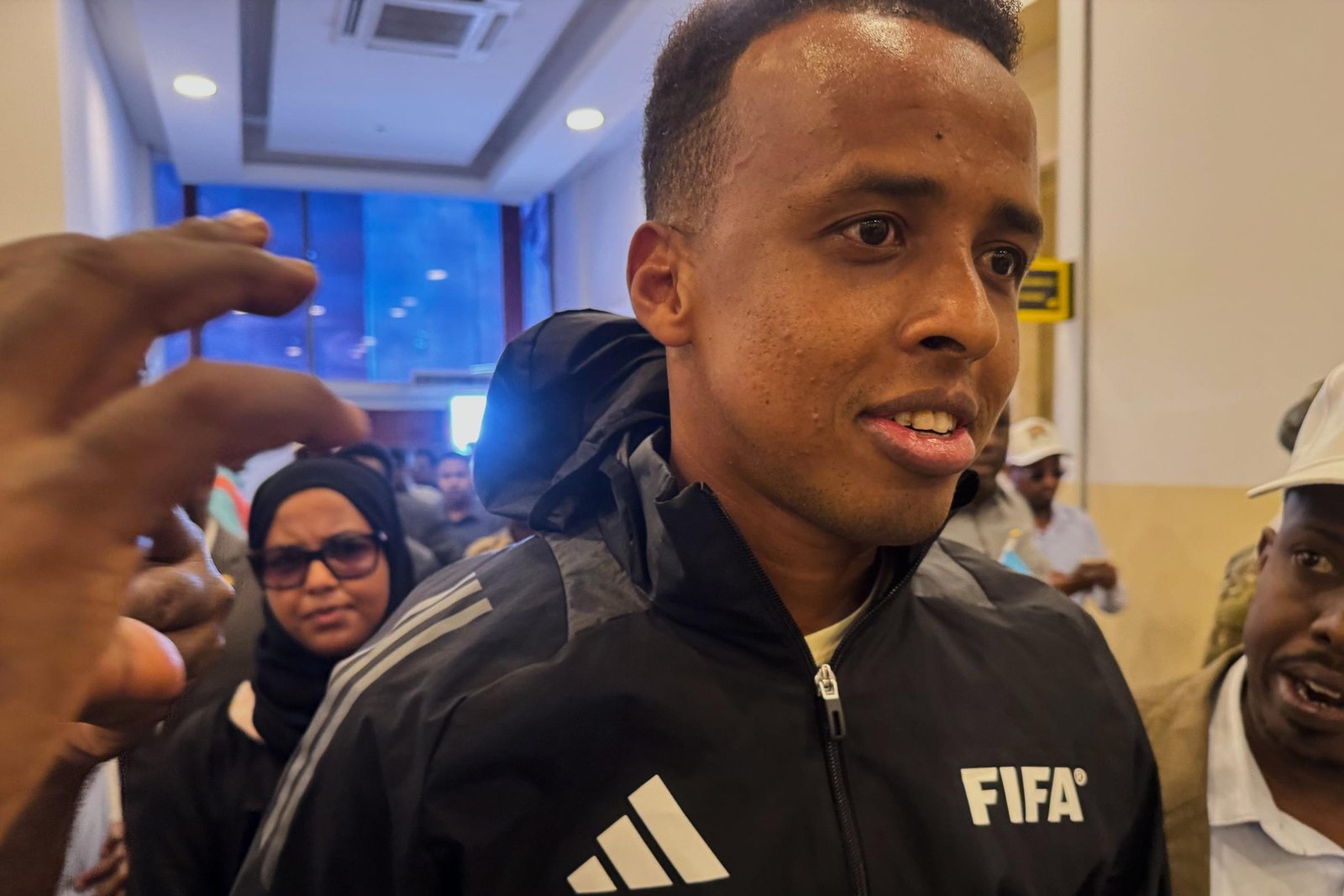
In a striking turn of events ahead of World Cup 2026, Somali referee Omar Artan has been handed a major European assignment after being denied entry to the United States for this summer’s tournament duties. His appointment to officiate the Uefa Super Cup offers both recognition of his standing in the game and a fresh talking point as attention builds around the FIFA World Cup 2026.
Omar Artan’s New Role After World Cup 2026 Setback
Uefa has confirmed that Artan will referee the Uefa Super Cup on 12 August in Salzburg, where Paris St-Germain face Aston Villa. The decision was made in consultation with the Confederation of African Football, underlining the significance of the appointment.
Artan, a Fifa-listed official since 2018 and the 2025 Caf men’s referee of the year, had been due to make history as the first Somali referee selected for the men’s World Cup finals. Instead, he was unable to take up that role after being refused entry to the US, one of the World Cup 2026 host countries.
Why the Story Matters Around FIFA World Cup 2026
With the World Cup 2026 expanding into a 48 team World Cup staged across the USA, Mexico and Canada, scrutiny is growing not only around the World Cup 2026 schedule, venues and logistics, but also around tournament administration. Artan’s case has raised wider questions about access, travel rules and the complexity of staging such a vast global event.
As fans track the World Cup 2026 dates, likely World Cup 2026 venues, and the path to the World Cup 2026 final, this episode is a reminder that major tournaments are shaped by more than results on the pitch. Referees, officials and support staff are just as essential to the smooth running of a competition.
Key details from the case
- Artan was selected to work at the World Cup finals.
- He reportedly held a diplomatic passport and a valid single-entry US visa.
- US authorities cited concerns over alleged associations with suspected terror-linked individuals.
- Fifa later confirmed he would miss the tournament.
- Uefa has now moved to recognise him with a high-profile club fixture.
What It Means for Football’s Global Stage
For supporters following the build-up to World Cup 2026, the story highlights the tension between football’s global ideals and real-world border policy. Uefa president Aleksander Ceferin framed Artan’s appointment as a gesture of respect and support, while Caf’s backing gave the move further weight.
As anticipation grows for the World Cup 2026 draw, World Cup 2026 teams, and eventual knockout drama, Artan’s latest appointment sends a clear message: elite performance should still be recognised, even when circumstances outside football intervene.
World Cup 2026 will dominate headlines for months to come, but this development ensures Omar Artan remains part of the wider football conversation for the right reasons. —- Image Courtesy: BBC