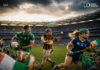
American football first arrived at Croke Park in 1946, and this remarkable slice of sports ireland history still says plenty about the stadium’s place in Irish sporting life. Long before today’s polished NFL events, GAA headquarters hosted curious crowds, charity fixtures and a 1953 game that left many Dublin spectators trying to work out exactly what they were watching.
The key date is November 21, 1953, when the Burtonwood Bullets beat the Wetherfield Raiders 27-0 in a US Air Force league match at Croke Park. Around 40,000 attended, with proceeds again supporting the Irish Red Cross. For fans raised on gaa news, hurling and gaelic football, the padded helmets and heavy collisions felt utterly unfamiliar. Contemporary reports captured that sense of astonishment, describing the players as almost alien figures on one of the most recognisable fields in Irish sports.
Croke Park’s place in sports ireland goes far beyond GAA
That is what makes the story so compelling. Croke Park is rightly central to irish sports, from the all ireland championship to the biggest days in camogie and ladies gaa, yet its history also includes baseball, rodeo, boxing and major American football occasions.
- 1946: first recorded American football exhibition at the ground
- 1953: Burtonwood Bullets v Wetherfield Raiders draws 40,000
- 1996: Notre Dame beat Navy in the Shamrock Classic
- 1997: Pittsburgh Steelers defeated Chicago Bears
- 2014: Penn State edged UCF in the Croke Park Classic
That long arc matters in ireland sports news because it shows how a stadium rooted in county gaa and ireland sports culture can still adapt without losing its identity. The latest NFL visit is not a novelty in isolation; it is part of a decades-long pattern.
For supporters following sports ireland, the real takeaway is simple: Croke Park remains both a home of gaa ireland and a venue with rare international pull. The next thing to watch is how that balance develops as Dublin hosts more global events while protecting the traditions that made Jones’s Road famous in the first place.