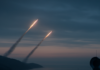
South Korea says North Korea has fired several ballistic missiles into the Sea of Japan, in a launch that adds to security tensions in north-east Asia. The incident is a national and regional security development rather than an EU decision, but it has wider relevance for European governments monitoring global security, Russia’s war in Ukraine and the growing links between Moscow and Pyongyang.
The report comes after other recent incidents involving the Korean Demilitarised Zone and renewed attention to military cooperation involving North Korea. Authorities in Seoul are expected to assess the launches with their allies and determine whether they represent a broader change in North Korea’s military activity.
What happened in South Korea’s latest security alert?
South Korean authorities reported that North Korea launched “several ballistic missiles” towards the Sea of Japan, also known internationally as the East Sea. The source material does not provide confirmed details on the exact number, missile models, launch locations, flight distances or whether any damage was caused.
Ballistic missile launches are closely monitored because they can provide information about a country’s weapons development, military readiness and intended signalling. A launch into international waters does not necessarily mean an attack is imminent, but it can increase regional tensions and trigger new assessments by South Korea, the United States and Japan.
Why ballistic missiles matter
Ballistic missiles travel along a trajectory influenced by gravity after an initial powered phase. Different systems can be designed for short-, medium- or longer-range use, and their capabilities vary significantly. Without official technical details, it is not possible to determine the precise nature or purpose of the missiles reported in this incident.
South Korea, the United States and Japan routinely monitor launches from North Korea using surveillance and early-warning systems. Their response may include military consultations, diplomatic statements or further defensive activity.
Wider tensions on the Korean Peninsula
The launch follows a series of developments that have kept the Korean Peninsula under close scrutiny. Recent reports have referred to landmine incidents in or near the DMZ, a heavily fortified buffer zone separating North and South Korea, as well as military exercises and preparations for possible emergencies.
The DMZ was established after the 1950–53 Korean War ended with an armistice. A formal peace treaty was not signed, meaning the two Koreas remain technically subject to an unresolved conflict. Military incidents along the border can therefore carry political significance even when casualties or physical damage are limited.
Seoul has also conducted civil-defence preparations and exercises involving possible air raids or other national emergencies. These activities are intended to improve readiness, but they can also contribute to a cycle of military signalling in which each side responds to the other’s actions.
What does the launch mean for Europe?
This is not European Union news in the sense of a decision by the European Commission, European Parliament or Council of the European Union. It is a development involving South Korea and North Korea. However, it is relevant to European foreign and security policy for several reasons.
- Global security: European governments track missile and nuclear developments beyond the continent because they affect international stability.
- Russia–North Korea links: North Korea’s reported involvement in Russia’s war against Ukraine has increased European interest in Pyongyang’s military capabilities and external partnerships.
- Sanctions policy: The European Union maintains sanctions frameworks relating to North Korea’s weapons programmes, subject to formal legal decisions and updates.
- Relations with South Korea: South Korea is an important technology, trade and security partner for several European countries.
The incident may therefore appear in European diplomatic discussions, although the source material does not confirm any new European sanctions, statement or policy response.
South Korea’s position on Ukraine and North Korea
South Korea has attracted European attention because of reports that North Korean personnel have supported Russian forces in the war in Ukraine. Seoul has so far not provided lethal weapons to Ukraine, citing a domestic restriction on militarily aiding countries engaged in war.
Reports concerning the transfer of North Korean prisoners of war and their possible return have also created tension between Seoul and Kyiv, according to the supplied material. Those developments are separate from the latest missile launch, but they form part of the broader security context surrounding North Korea’s relationship with Russia and the international response to the Ukraine war.
European governments will be particularly attentive to any evidence that military cooperation between Russia and North Korea is expanding. Any confirmed change could affect assessments of sanctions enforcement, arms-control risks and security cooperation among partners.
What happens next?
South Korean and allied authorities are likely to continue analysing the launch data before making a detailed public assessment. The key issues will include:
- the number and type of missiles involved;
- their launch location and flight path;
- whether the launches breached relevant United Nations restrictions;
- how Seoul, Washington and Tokyo coordinate their response; and
- whether North Korea conducts further launches or military exercises.
At present, the available information confirms a reported launch but does not establish its technical specifications or wider strategic purpose. Readers should therefore distinguish between confirmed statements from authorities and subsequent interpretation by officials or analysts.
Conclusion
South Korea’s report of several North Korean ballistic missiles entering the Sea of Japan marks another significant security development in north-east Asia. It is not an EU decision, but it matters in the wider context of European security, Russia–North Korea military links and international efforts to limit the spread of missile technology. The immediate focus will be on official technical assessments and whether further launches or diplomatic responses follow.